
Solar Roof Integration in Chattanooga, TN
Solar Roof Integration starts with roof evidence before repair, restoration, recover, or replacement decisions are made.
Roof Work
Document the roof before choosing the scope
Solar Belongs On A Roof That Can Outlive It
A rooftop photovoltaic array is built to produce power for twenty-five or thirty years. The membrane it sits on may have far less life left than that, and that single mismatch is where most commercial solar projects in Chattanooga quietly go sideways. We do not sell panels. We make sure the surface the panels land on is ready to carry them, keep water out around them, and stay under warranty once they are energized. Before a single module is ordered, the question we ask owners is the one the solar bid usually skips: how many years does this roof actually have left, and does the array schedule line up with that number?
We see this play out across the warehouse and distribution stock off Bonny Oaks Drive and the Enterprise South industrial park near the Volkswagen plant, the flat-roofed retail and office buildings around Hamilton Place and the Gunbarrel Road corridor, and the older manufacturing rooftops along Amnicola Highway and the riverfront. EPB's municipal grid and TVA's Green Connect program have made on-site generation an easier financial case here than in a lot of the Southeast, so more property owners along these corridors are fielding solar proposals. The roofing side of that decision is the part nobody quotes, and it is the part that decides whether the investment pays off or turns into a forced teardown.
Start With How Much Roof Is Left
Our first move is a remaining-service-life assessment of the existing roof, backed by core cuts and a moisture check rather than a glance from the parapet. If a single-ply membrane is twelve years into a twenty-year life, mounting an array commits the owner to pulling and resetting that entire system mid-life when the roof fails underneath it. Removing and reinstalling panels and racking during a future tear-off routinely runs into the tens of thousands on its own, on top of the reroof. That is a conversation worth having while it is still a planning choice. On roofs with little life left, the right answer is almost always to reroof first and mount on a fresh membrane, or to phase the two scopes so the new roof and the racking go down in one coordinated sequence.
Weight, Uplift, And What The Deck Can Hold
There are two ways to hold an array down on a low-slope Chattanooga roof, and each is a structural question before it is anything else. Ballasted racking uses weighted trays or concrete pavers and never punctures the membrane, which keeps the waterproofing clean, but it is heavy, and the dead load plus the wind-uplift forces acting on the panels have to be checked against the capacity of the deck and frame. A lot of the older tilt-up and steel bar-joist buildings in East Chattanooga and Alton Park were designed to lighter load standards, and a ballast system the structure cannot carry is a non-starter. We have a structural engineer run the load case before anyone commits to a mounting method.
Every Penetration Is A Flashing Detail
Penetration-anchored racking trades weight for holes. Each stanchion that bolts through the membrane to the structure below is a deliberate roof penetration, and it has to be flashed with the same discipline as a vent or a curb, a manufacturer-approved flashing detail, stripped in and welded or sealed to the sheet, not a generic rubber boot squeezed over a lag bolt. We have walked too many arrays where the solar crew set the feet and moved on, leaving dozens of marginally flashed penetrations to weep quietly for years before anyone connects the interior staining to the racking. When anchors are the right call, we install and flash each one to the membrane spec and document it for the warranty file.
The Conduit Crosses The Roof Too
The DC and AC conduit carrying power from the array down to the building's electrical room runs across the roof and punches through it, usually at several points. Conduit laid flat on the membrane and clipped down without standoffs grinds a wear path into the sheet as it heats and cools and moves; conduit penetrations flashed by an electrician instead of a roofer become the leaks nobody can trace later. We coordinate the routing and the through-roof details with the PV electrician during preconstruction, set the runs on proper raised standoffs, and flash every penetration ourselves so it ties into the membrane warranty rather than voiding it.
One Roof, Two Trades, One Warranty
The most common way a solar project silently kills a roof warranty is the manufacturer handoff that never happens. Major single-ply manufacturers will keep a membrane warranty intact under an array, but only when the array layout, the walkway pads, the ballast bearing points, and the penetration details meet their published requirements, and on many systems only after their warranty rep reviews the plan before installation. We manage that review on solar-plus-roofing jobs, run the preconstruction coordination meeting with the PV contractor, and hold the sequence: membrane down and inspected first, racking and conduit second, final walk documented for both the roofing warranty and the solar registration.
For new roofs going in ahead of solar, we usually specify a reflective white TPO or PVC membrane, mechanically attached where the structure allows. A light surface under the panels runs cooler than a dark one, and photovoltaic cells lose efficiency as their temperature climbs, so a reflective deck nudges the array's output up while giving the racking a clean, uniform substrate. Where structural load is the limiting factor and ballast is off the table, a fully adhered membrane keeps the assembly light and lets us anchor a penetration-mounted rack into the deck instead of weighting it down.
We give Chattanooga property owners the roofing half of the solar decision, and we give it straight: an honest read on the membrane's remaining life from real core cuts, a structural reality check on ballast versus anchors, a penetration and conduit flashing plan, and the manufacturer coordination that keeps the roof covered after the panels go live. A strong array on the wrong roof is still a mistake. Our job is to make the surface ready before anyone starts drilling, and to stay the single point of accountability for everything that touches the membrane.
Solar Roof Integration Questions
Should we reroof before going solar or mount on the existing roof?
It comes down to documented remaining membrane life. With fifteen or more years left and a clean moisture scan, mounting on the existing roof is reasonable. With seven years or fewer, reroofing first almost always wins on cost, because pulling and resetting an array during a future tear-off costs more than reroofing now and mounting onto a fresh membrane. We core the roof and give you a service-life estimate before you commit either way.
Do the racking feet have to penetrate the membrane?
Not always. Ballasted systems hold the array with weighted trays and never puncture the sheet, which is the cleanest waterproofing option where the deck can carry the load. Penetration-anchored systems are used when ballast weight exceeds the structure's capacity or on sloped roofs. When anchors are required, we flash each foot to the manufacturer's detail and log it for the warranty.
Will adding solar void our roof warranty?
It can, if the array goes in without manufacturer sign-off. Most single-ply manufacturers keep the warranty intact when the ballast bearing points, walkway protection, and penetration details meet their spec and the plan passes their review. We run that review and the preconstruction coordination so the panels do not cost you your roof coverage.
What about the load all those panels add?
Array dead load and wind-uplift forces both get checked against the deck and frame capacity before anything is mounted. The older tilt-up and bar-joist buildings around East Chattanooga were built to lighter standards, so on those we often steer toward lighter fully adhered membranes and anchored racking rather than heavy ballast, with a structural engineer confirming the numbers.
Who flashes the conduit penetrations, your crew or the solar installer?
Roofers should flash anything that goes through the roof, conduit included. We coordinate the routing with the PV electrician up front, set the runs on raised standoffs, and flash every through-roof penetration into the membrane so there are no mystery leaks down the line and the warranty stays clean.
Planning checkpoints
From urgent response to responsible scope
Condition
Solar Roof Integration work starts with the affected roof area, water path, membrane condition, and interior evidence.
Operations
Work windows, tenant protection, loading paths, and safety expectations need to be named early.
Options
Repair, maintenance, coating, recover, and replacement should be compared without blurring the tradeoffs.
Next Step
A concise field record helps ownership decide what needs immediate action and what belongs in planning.
Related roof paths
Keep exploring
 Roof Work
Warehouse and Distribution Center Roofing
Warehouse and Distribution Center Roofing support covers access, staging, drainage, and roof traffic for Chattanooga commercial buildings.
 Roof Work
Restaurant and Food Service Building Roofing
Restaurant and Food Service Building Roofing support covers tenant communication, rooftop equipment, and dry-in timing for Chattanooga commercial buildings.
 Roof Work
Drone Roof Inspection
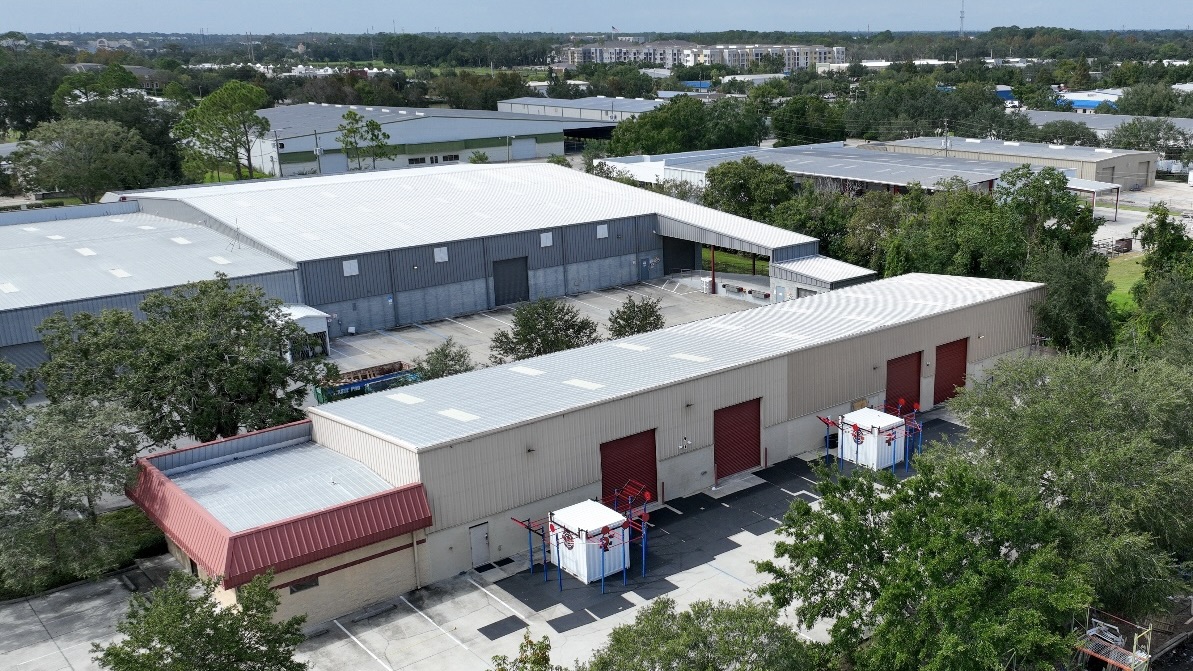
Drone Roof Inspection support covers moisture review, edge conditions, and practical budget timing for Chattanooga commercial buildings.