
Restaurant and Food Service Building Roofing in Chattanooga, TN
Restaurant and Food Service Building Roofing starts with roof evidence before repair, restoration, recover, or replacement decisions are made.
Roof Work
Document the roof before choosing the scope
Commercial roofing for restaurants, quick-service chains, breweries, and food service facilities throughout Chattanooga, TN.
Chattanooga's revitalized riverfront, the Southside entertainment district, and the dense corridor of quick-service operators along Gunbarrel Road in Hamilton Place give the city a restaurant footprint that punches well above its population size. The Tennessee Valley's geography also makes for weather patterns that challenge commercial roofing systems: valley inversions trap humid air against building surfaces in summer, ice storms roll in with little warning in January, and spring brings extended rain events that expose every marginal flashing detail. Food service buildings in Chattanooga need roofing systems engineered for that full range of stress, not just the mild days in between.
The fast-food and fast-casual strip centers along Hixson Pike and Lee Highway carry an especially heavy concentration of rooftop equipment. Drive-through restaurants often run two or three exhaust systems, one or more make-up air units, and a walk-in condenser, all within a few hundred square feet of roof deck. Each penetration requires a properly engineered curb, a heat-welded membrane termination, and a counter-flashing detail that can be maintained without tearing up the field membrane. When those details are installed correctly at original build, the roof performs for 20 years. When they're rushed, Chattanooga's wet winters find every shortcut within three seasons.
Grease exhaust contamination on Chattanooga's restaurant roofs is a particular problem in warm months when the valley air is already saturated and vapor doesn't disperse quickly after exiting the stack. The residue builds up on membrane surfaces around the exhaust curb, stiffening seams and clogging drain strainers near the equipment field. Grease-resistant PVC membrane sections at exhaust zones, combined with stainless steel drain inserts in those areas, handle the chemistry that standard TPO and aluminum drains aren't designed for. A hood-cleaning contractor and a roofing contractor who coordinate their schedules can keep the accumulation manageable.
Chattanooga's growing craft beverage scene, anchored by breweries in the Southside and taprooms scattered across North Chattanooga, presents the large-scale ventilation challenges that come with active fermentation and boil operations. Brewing exhaust carries steam, CO2, and organic compounds that condense differently than standard kitchen exhaust. Curbs serving these systems need greater height clearances to prevent condensate from tracking back to the membrane plane, and the large make-up air units serving brew floors require vibration isolation mounting to prevent fatigue cracking in the deck-to-curb connection.
Walk-in cooler assemblies in Chattanooga restaurants face a particular condensation challenge in late summer when exterior temperatures stay above 90°F and the humidity climbs past 70 percent. The thermal differential at the cooler curb wall is extreme under those conditions, and any moisture pathway through an open lap or failed sealant joint leads directly to wall cavity saturation. Building owners who've experienced a health department citation for visible mold near a walk-in box know the cost of that failure: it's not the roofing repair, it's the forced closure pending remediation inspection. Detailing that curb correctly at installation is a fraction of that cost.
Hamilton County health code enforcement around commercial kitchen exhaust terminations is consistent: the stack must terminate above roof level with adequate clearance from fresh-air intakes, and the flashing must prevent water intrusion at the curb base. Inspectors visiting restaurants near Chattanooga's tourist-heavy areas like the North Shore and near the Tennessee Aquarium are thorough, since those operations draw complaints when equipment conditions deteriorate. Operators who document annual roofing inspections inclusive of penetration measurements give themselves a defensible record that simplifies the inspection conversation.
Tennessee's ice storm cycle, typically one or two significant events per winter, creates a loading condition that flat restaurant roofs in the Chattanooga area must be designed to handle. Grease accumulation around exhaust curbs makes ice adhesion worse than on a clean membrane, because the semi-solid grease layer bonds to ice differently than a smooth TPO surface. When that ice load releases during a warming event, it can shear flashing details that were already marginal. Keeping exhaust zones clean and inspecting flashings after every significant ice event prevents a nuisance problem from becoming a structural one.
The practical challenge for sit-down restaurants and breweries in Chattanooga's dining districts is scheduling roofing work around service hours and event bookings. A Saturday-night reservation book at a Southside spot doesn't leave room for a roofing crew overhead. Contractors who specialize in food service accounts in the greater Chattanooga area have learned to stage tearoff and reinstall in sections, work from dawn to 10 a.m. before prep begins, and coordinate penetration tie-ins on Monday mornings when most full-service operations are closed. That scheduling discipline keeps revenue intact through a project that might otherwise require a temporary shutdown.
Selecting a commercial roofing contractor for a Chattanooga food service building means asking specifically about exhaust curb fabrication experience and membrane compatibility with kitchen environments. A contractor whose portfolio is primarily warehouse and office roofing may not carry the custom curb fabrication capability or the grease-resistant PVC inventory needed for a restaurant application. The questions to ask before signing: Have you detailed exhaust systems with grease containment sumps? Can you weld PVC to an existing TPO field? Do you coordinate with equipment contractors on penetration sizing before you mobilize? The right answers separate qualified contractors from those who are guessing.
What information should we send before a Restaurant and Food Service Building Roofing roof walk?
Before a Restaurant and Food Service Building Roofing roof walk, send the building location, roof age if known, roof access instructions, leak photos, tenant restrictions, and prior roof reports. Those details let us shape the inspection around the actual roof problem instead of arriving with a generic checklist.
Can Restaurant and Food Service Building Roofing be handled while the building stays occupied?
For Restaurant and Food Service Building Roofing, occupied-building work depends on access, odor, noise, staging room, weather exposure, and how much roof must be opened at one time. We phase the work around dry-in, tenant protection, loading paths, and the operating schedule below the roof.
How do we compare repair, coating, recover, and replacement for Restaurant and Food Service Building Roofing?
For Restaurant and Food Service Building Roofing, we compare moisture evidence, layer count, deck condition, drainage, age, storm exposure, roof traffic, and future use before naming a scope. That evidence is what separates a repair file from a restoration plan, a recover option, or a replacement budget.
Do you promise manufacturer certification or insurance approval for Restaurant and Food Service Building Roofing?
For Restaurant and Food Service Building Roofing, we do not invent credentials, promise claim outcomes, or write warranty language before the facts support it. We document conditions, identify manufacturer or carrier questions, and keep recommendations tied to reviewable roof evidence.
What makes Chattanooga planning different for Restaurant and Food Service Building Roofing?
Chattanooga planning for Restaurant and Food Service Building Roofing has to account for downtown access, UTC and hospital-area traffic, Enterprise South and Centre South Riverport industrial corridors, humid Tennessee Valley heat, severe thunderstorms, hail, freeze-thaw movement, leaf debris, and wind-driven rain.
- KEE Single Ply Roofing
- Roof Recover Overlay
- Insurance Claim Coordination
- Manufacturing Facility Roofing
- Mixed Use Roofing
- Built Up Roofing
- Emergency Tarp Dry
- Healthcare Facility Roofing
Planning checkpoints
From urgent response to responsible scope
Condition
Restaurant and Food Service Building Roofing work starts with the affected roof area, water path, membrane condition, and interior evidence.
Operations
Work windows, tenant protection, loading paths, and safety expectations need to be named early.
Options
Repair, maintenance, coating, recover, and replacement should be compared without blurring the tradeoffs.
Next Step
A concise field record helps ownership decide what needs immediate action and what belongs in planning.
Related roof paths
Keep exploring
 Roof Work
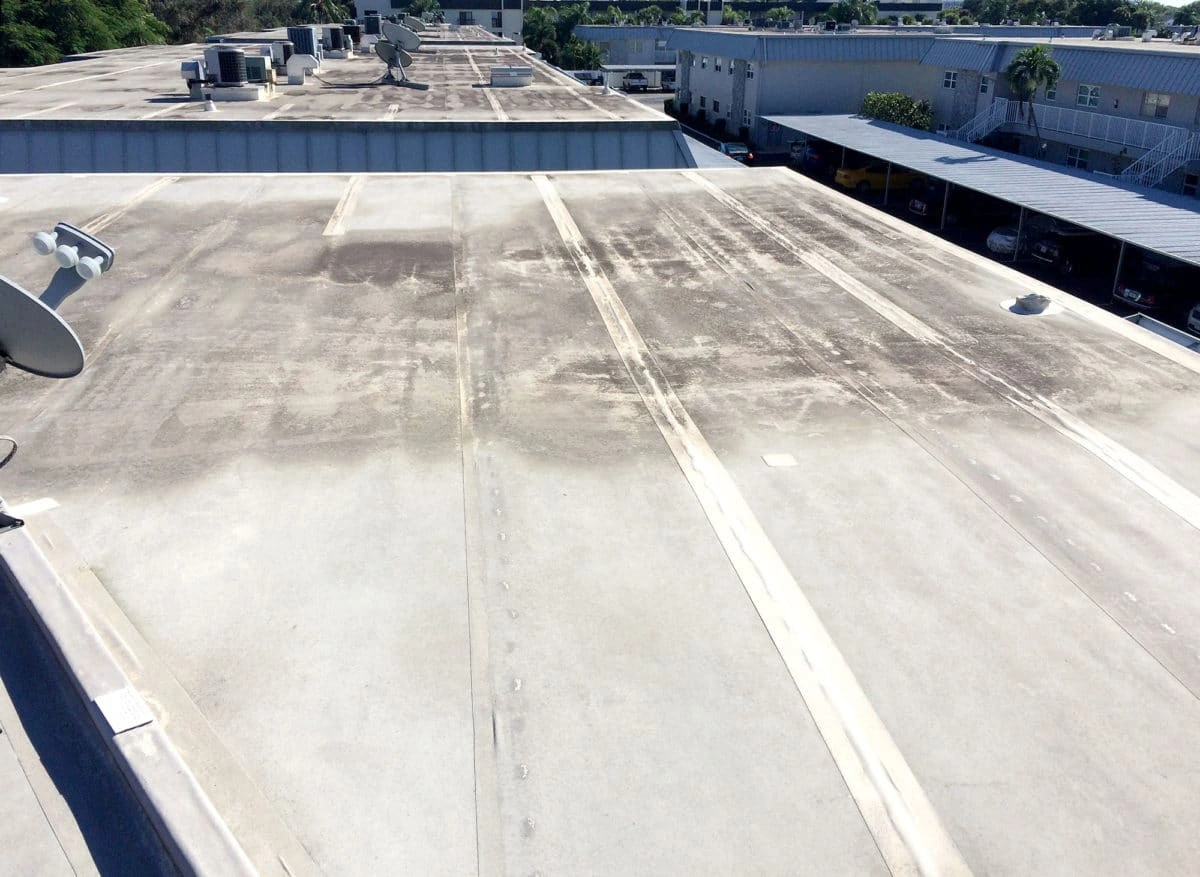
KEE Single-Ply Roofing
KEE Single-Ply Roofing support covers access, staging, drainage, and roof traffic for Chattanooga commercial buildings.
 Roof Work
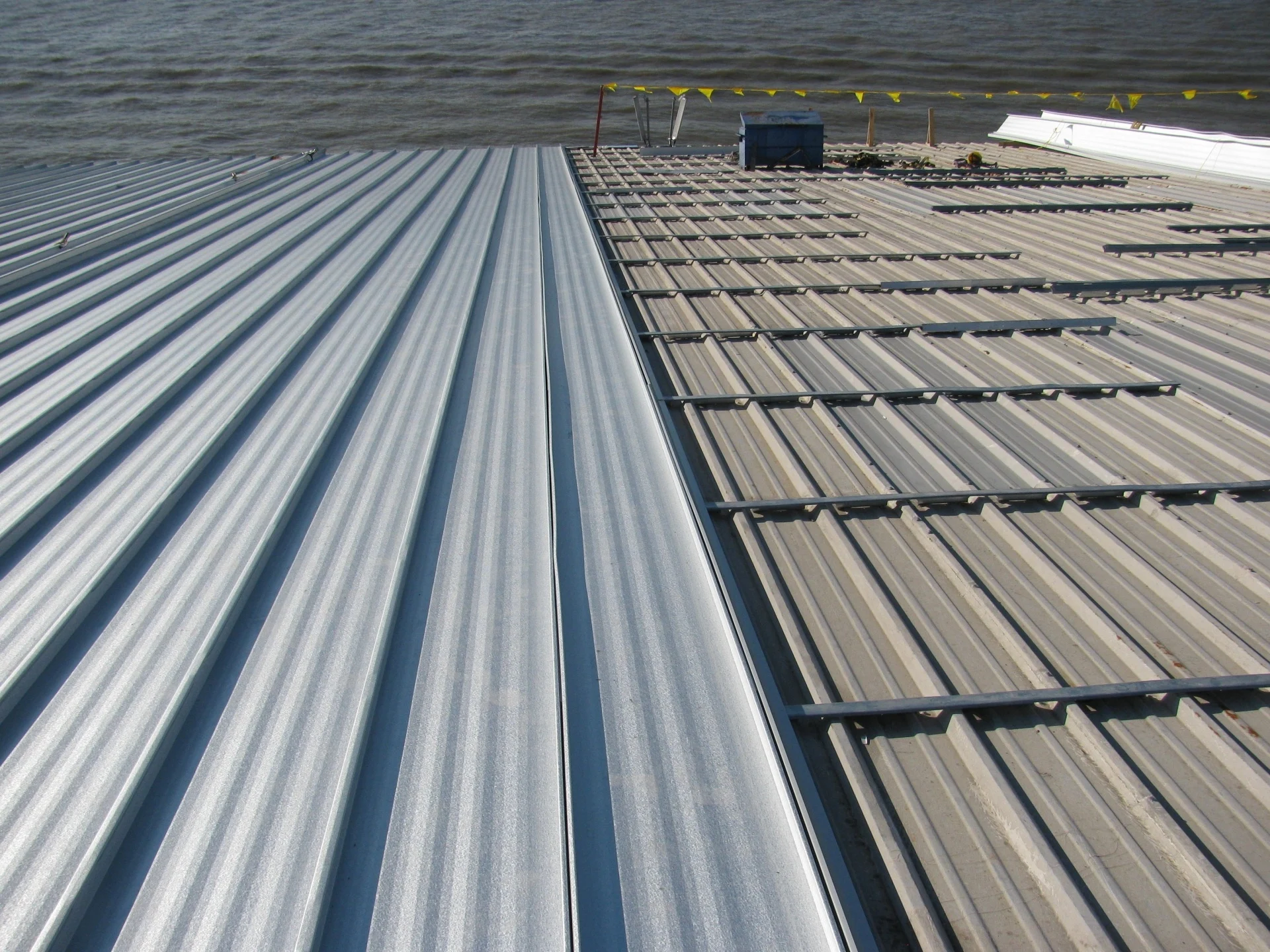
Roof Recover and Overlay
Roof Recover and Overlay support covers tenant communication, rooftop equipment, and dry-in timing for Chattanooga commercial buildings.
 Roof Work
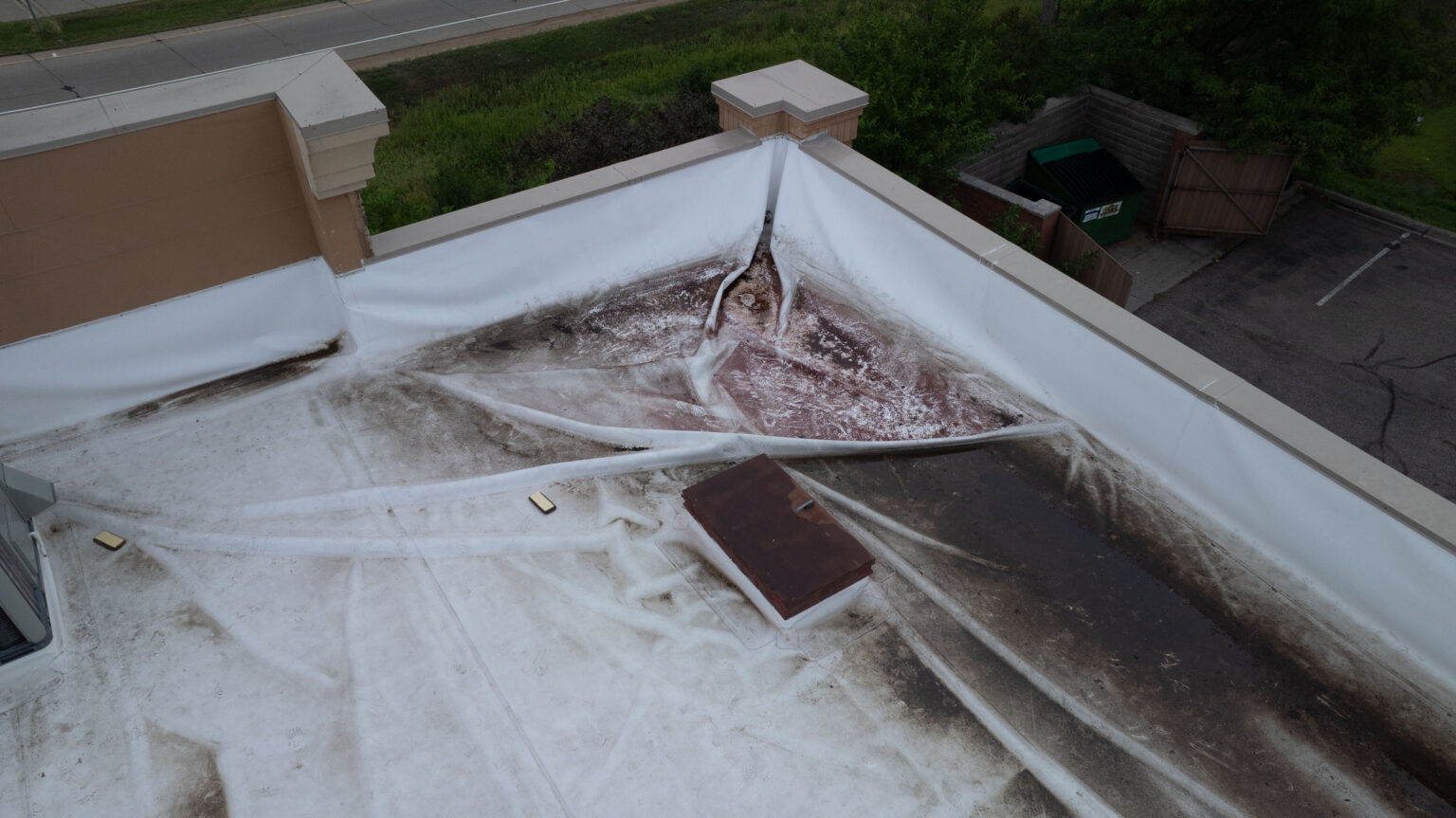
Insurance Claim Coordination
Insurance Claim Coordination support covers moisture review, edge conditions, and practical budget timing for Chattanooga commercial buildings.