
Hail Damage Roof Insurance Claims in Chattanooga, TN
Hail damage on a low-slope commercial roof is easy to walk past and easy to underestimate from the ground, which is exactly why a documented roof inspection matters before the claim is filed.
Roof Work
Documenting hail damage before it's a leak
Membrane bruising, dented metal, and rooftop-equipment damage documented for Chattanooga hail claims.
Spring and summer thunderstorm cells that build over the Tennessee Valley can carry hail large enough to bruise membrane, dent HVAC housings, and crack skylight domes on commercial roofs across Chattanooga. The damage is rarely dramatic from street level. A low-slope TPO or EPDM roof can take a hail event and show almost nothing from the parking lot while the membrane surface, rooftop-unit fins, and edge metal are marked up across the whole field. That mismatch between what's visible and what's actually there is where hail claims get shortchanged.
What hail actually does to a commercial roof
On single-ply membrane roofs, hail impact shows up as bruising, soft spots where the granule surface or membrane fiber has been compressed without necessarily puncturing through. On built-up and modified bitumen roofs, more common on older Southside and downtown buildings, impact can crack the surfacing or dislodge aggregate. Metal components take the most visible hits: condenser and rooftop-unit fins bend, exhaust caps dent, coping and edge metal show impact marks, and skylight domes can crack or shatter outright. None of that shows from the ground, and none of it shows on a satellite hail-swath report either, it has to be walked and documented on the roof itself.
Why documentation timing matters
Hail bruising on a membrane roof doesn't always leak right away. It can take weeks or months for a bruised area to fail and start letting water through, which is exactly when carriers start asking whether the damage is storm-related or a maintenance issue that developed later. Photographing and dating the roof condition close to the hail event, impact marks on metal, granule loss patterns, bruise density across the field, ties the damage to the storm date instead of leaving it as an open question months later.
Building types across Chattanooga that see hail exposure
Distribution and light-manufacturing buildings near Enterprise South and the Volkswagen-area supplier corridor typically carry large, flat membrane roofs with dozens of rooftop units exposed across an open field, more surface area for hail to mark up, and more equipment that can be damaged individually. Retail and hospitality roofs along the Hamilton Place and Highway 153 corridor often mix membrane fields with parapet walls and coping that take direct hits along the windward edge. Each roof type needs its own inspection pattern, not a single generic checklist.
Building the claim file
We walk the full roof field, well past the areas a tenant reported, because hail damage is rarely limited to one section. The file includes photos of impact marks on metal components, membrane bruise mapping, skylight and curb condition, and drainage checks, since dislodged aggregate or debris can clog drains after a hail event. That record becomes the basis for the adjuster meeting and the repair or replacement scope. We're your roofing contractor, not a public adjuster, we document and substantiate the hail damage so you and your adjuster are working from an accurate picture of the roof, not a guess based on what's visible from the parking lot.
Frequently asked questions
Can hail damage a membrane roof without visible holes?
Yes. Bruising compresses the membrane surface without puncturing it right away, but it can weaken the material and lead to leaks later. That's why a field inspection after a hail event matters even if there's no active leak yet.
How soon after a hailstorm should the roof be inspected?
As soon as reasonably possible. Documenting impact marks and bruising close to the storm date ties the damage clearly to that event, which matters if a claim is filed weeks or months later.
Does a hail claim cover rooftop equipment too?
Rooftop units, condenser fins, exhaust caps, and skylights are commonly part of a hail claim alongside the membrane itself. We document all of it, beyond the roof surface alone.
What if the hail damage is only on part of the roof?
We still walk and document the full roof field. Hail patterns are rarely uniform, and a section that looks undamaged from one angle can show bruising once it's inspected up close.
Will insurance cover full membrane replacement for hail damage?
That depends on the extent and density of the bruising and how the policy defines functional damage. A thorough bruise map and photo record gives the adjuster and the carrier the evidence needed to make that call.
- Commercial Roof Insurance Claims
- Wind and Storm Damage Roof Insurance Claims
- Hail Damage Restoration
- Commercial Roof Repair
Planning checkpoints
What a hail inspection covers
Membrane Field
Full-roof bruise mapping across the membrane, beyond the section a tenant reported.
Metal Components
Condenser fins, exhaust caps, coping, and edge metal checked for impact dents.
Skylights & Curbs
Domes, seals, and curb flashing checked for cracks and displaced aggregate.
Drainage
Drains and scuppers checked for debris and aggregate displaced by the hail event.
Related roof paths
Keep exploring
 Roof Work
Commercial Roof Insurance Claims
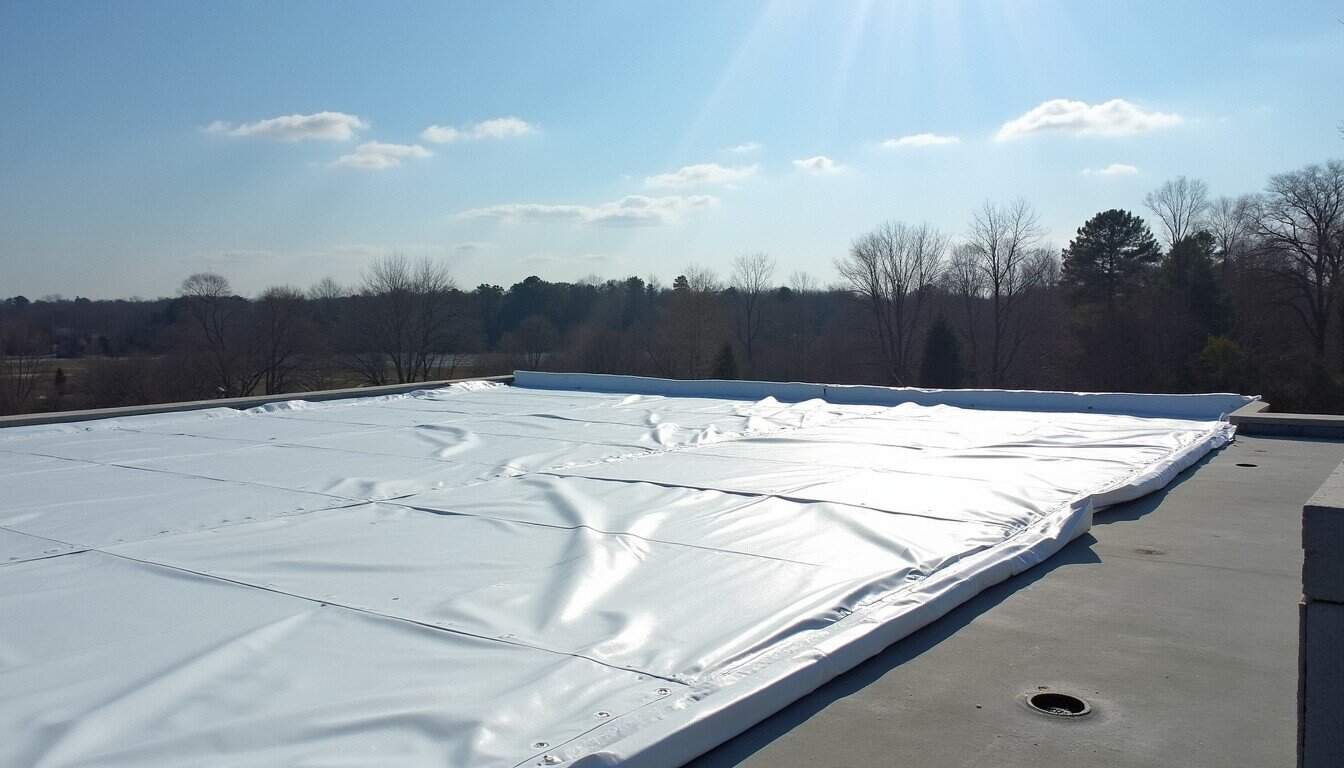
Roof documentation and adjuster support for Chattanooga storm and hail claims.
 Roof Work
Wind and Storm Damage Roof Insurance Claims
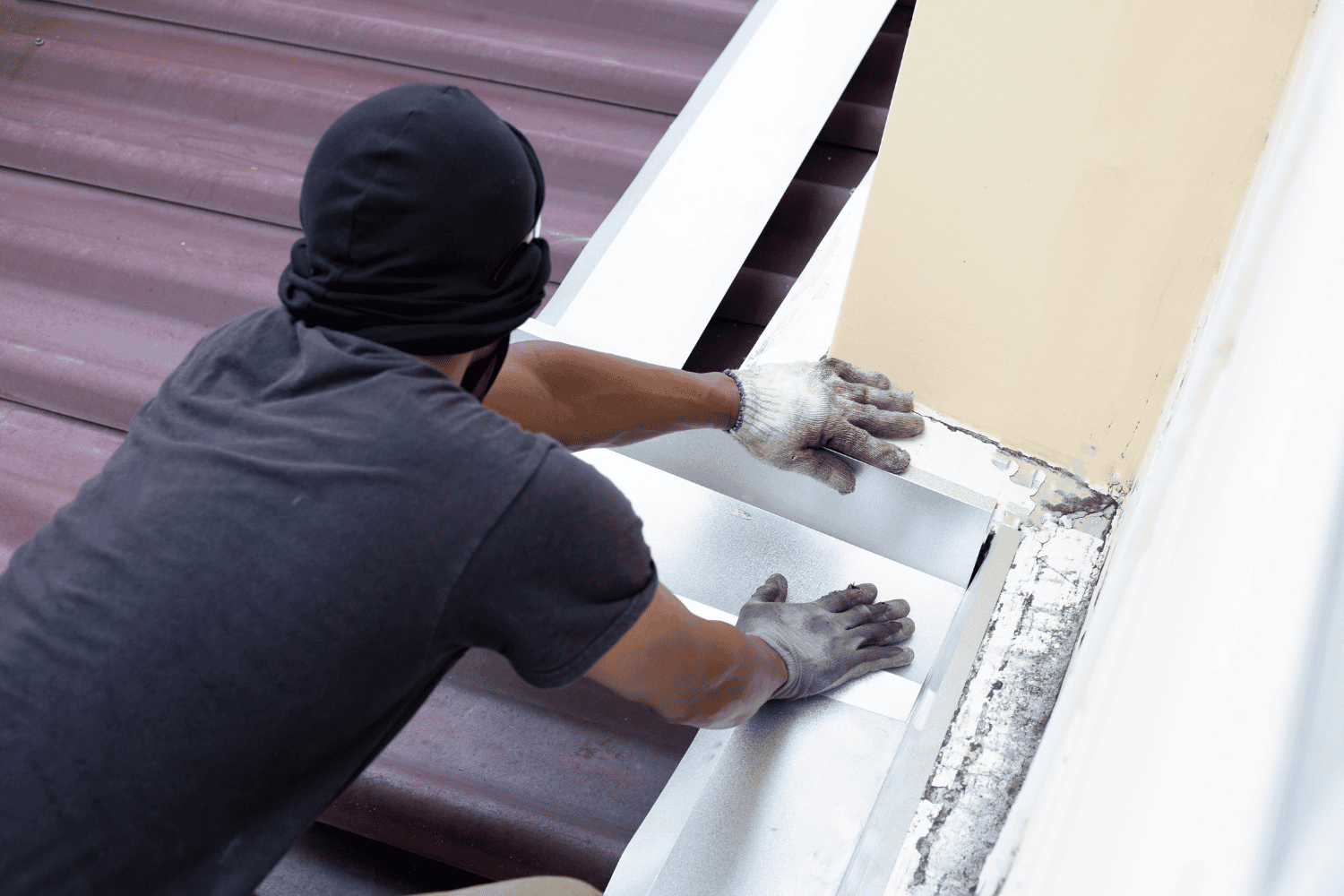
Roof evidence for wind uplift and storm-driven membrane damage across Chattanooga.
 Roof Work
Commercial Roof Repair
Repair scopes for hail-bruised membrane, dented metal, and damaged rooftop equipment.