
Commercial Roof Insurance Claim Assistance in Chattanooga, TN
When a commercial roof takes storm damage in Chattanooga, the insurance claim moves faster and lands closer to the true repair cost when the roof evidence is documented before the adjuster ever climbs the ladder.
Roof Work
Roof evidence before the claim decision
Roof documentation, adjuster walk-throughs, and full-scope estimates for Chattanooga commercial property owners working an active roof claim.
Most commercial roof claims in Chattanooga start the same way: a tenant reports a ceiling stain, a facilities manager notices ponding after a thunderstorm, or a property manager gets a call about a torn membrane after a wind event that swept down through the ridge-and-valley corridor between Signal Mountain and Missionary Ridge. The insurance carrier gets notified first. The roof rarely gets a documented, dated inspection before that call goes in. That gap is where claims get underpaid, not because the damage isn't real, but because nobody wrote it down before the adjuster formed an opinion.
We work the roof side of that gap. Before an adjuster is scheduled, or the same week one is, we walk the roof, photograph every affected section, log membrane bruising, dented rooftop-unit fins, displaced coping, and open seams, and take moisture readings where the deck may already be wet. That file becomes the basis for a repair or replacement scope that reflects what the roof actually needs, not a shortened version of it.
What a Chattanooga commercial roof claim requires
A workable claim file needs more than a phone photo of a dented curb. Carriers want roof area, membrane type, existing layer count, drainage slope, edge conditions, and a clear before/after picture of the damage. On low-slope TPO and EPDM roofs common on the distribution and light-manufacturing buildings around Enterprise South and the Volkswagen-area supplier corridor, hail bruising and wind uplift often show up first at parapet edges and rooftop-unit curbs, not in the field of the membrane, details an adjuster walking the roof once can miss without a contractor pointing them out.
On the Southside and along the riverfront, where older warehouse and mixed-use buildings have been converted into breweries, offices, and retail space, roofs are frequently a patchwork of built-up sections, modified bitumen, and later membrane overlays. A claim on one of those roofs has to account for layer history, because a carrier will ask whether damage is new or pre-existing, and that question only gets answered with a documented roof record.
Meeting the adjuster on the roof
We schedule around the adjuster's roof walk whenever the timing allows it. Having a contractor on the roof at the same time gives the adjuster a second set of eyes pointing to specific damage, a torn membrane lap here, a dented condenser fin there, a coping joint that's pulled loose along the windward parapet. We don't negotiate the claim or speak for the owner on coverage questions. We point to the roof evidence and answer roofing-specific questions so the inspection covers what's actually there.
Framing the complete repair scope
A roof claim scope should include what code requires now, on top of what was already on the roof before the storm. If a section of membrane needs replacement, current code may require matching insulation R-value, updated edge securement, or drainage upgrades that weren't part of the original roof. Leaving those out of the estimate doesn't save the claim money, it shifts the gap onto the building owner after the check is cut. We itemize tear-off, deck condition, insulation, edge metal, drains, and any code-driven upgrades so the scope reflects the full, defensible repair, not a trimmed version of it.
When a claim comes back denied or underpaid
A denial or a low settlement is often a documentation problem, not a coverage problem. If the original file didn't include roof age, prior repair history, moisture evidence, or clear photos tied to the storm date, the carrier has little to work from beyond the adjuster's own visit. We can re-inspect, expand the photo and moisture record, and produce a revised scope an owner can bring back to the carrier or a public adjuster. We're your roofing contractor, not a public adjuster, we document and substantiate the roof damage so you and your adjuster work from an accurate scope, not a guess.
Frequently asked questions
Does insurance cover commercial roof replacement?
It depends on the policy and the cause of loss. Storm, hail, and wind damage are typically covered perils on a commercial property policy, but coverage for full replacement versus repair usually comes down to the extent of documented damage and whether the roof can be reasonably repaired in sections.
What does the roof claim process actually look like?
Damage is reported, a claim number is opened, and an adjuster is scheduled to inspect the roof. Having a roofing contractor document the damage before or during that visit, photos, measurements, moisture readings, gives the adjuster a fuller picture than a single walk-through alone.
What can be done if a claim gets denied?
A denial can often be revisited with additional documentation: expanded photos, moisture testing, a written scope tying each damaged area to the storm event, and a second roof walk if the first inspection was incomplete. We can put that file together from the roofing side.
Is repair or full replacement the right call after storm damage?
That depends on roof age, how much of the membrane is affected, whether the deck is wet, and how many prior layers exist. We lay out both options with the roof evidence attached so the owner and the carrier are working from the same facts.
Do you handle the claim or negotiate with the insurance company?
No. We're a roofing contractor, not a public adjuster or attorney. We inspect, document, and produce a roof scope. Filing, negotiating, or advocating on the claim itself is handled by the owner, their broker, or a licensed public adjuster.
How fast can a roof be inspected after a storm?
We prioritize storm-response roof walks and can usually get on a Chattanooga commercial roof within a few business days of a call, sooner if there's active water intrusion.
- Hail Damage Roof Insurance Claims
- Wind and Storm Damage Roof Insurance Claims
- Insurance Claim Coordination
- Commercial Roof Inspection
- Storm Damage Roof Repair
- Emergency Tarp and Dry-In
Planning checkpoints
What we document on a claim roof walk
Damage Record
Photos, measurements, and moisture readings tied to the specific storm date and roof section.
Adjuster Walk
A contractor on the roof alongside the adjuster to point out damage that's easy to miss from one pass.
Full Scope
Tear-off, deck condition, insulation, edge metal, drains, and code-driven upgrades itemized, not assumed.
Revision Support
Additional documentation and a revised scope if a claim comes back denied or underpaid.
Related roof paths
Keep exploring
 Roof Work
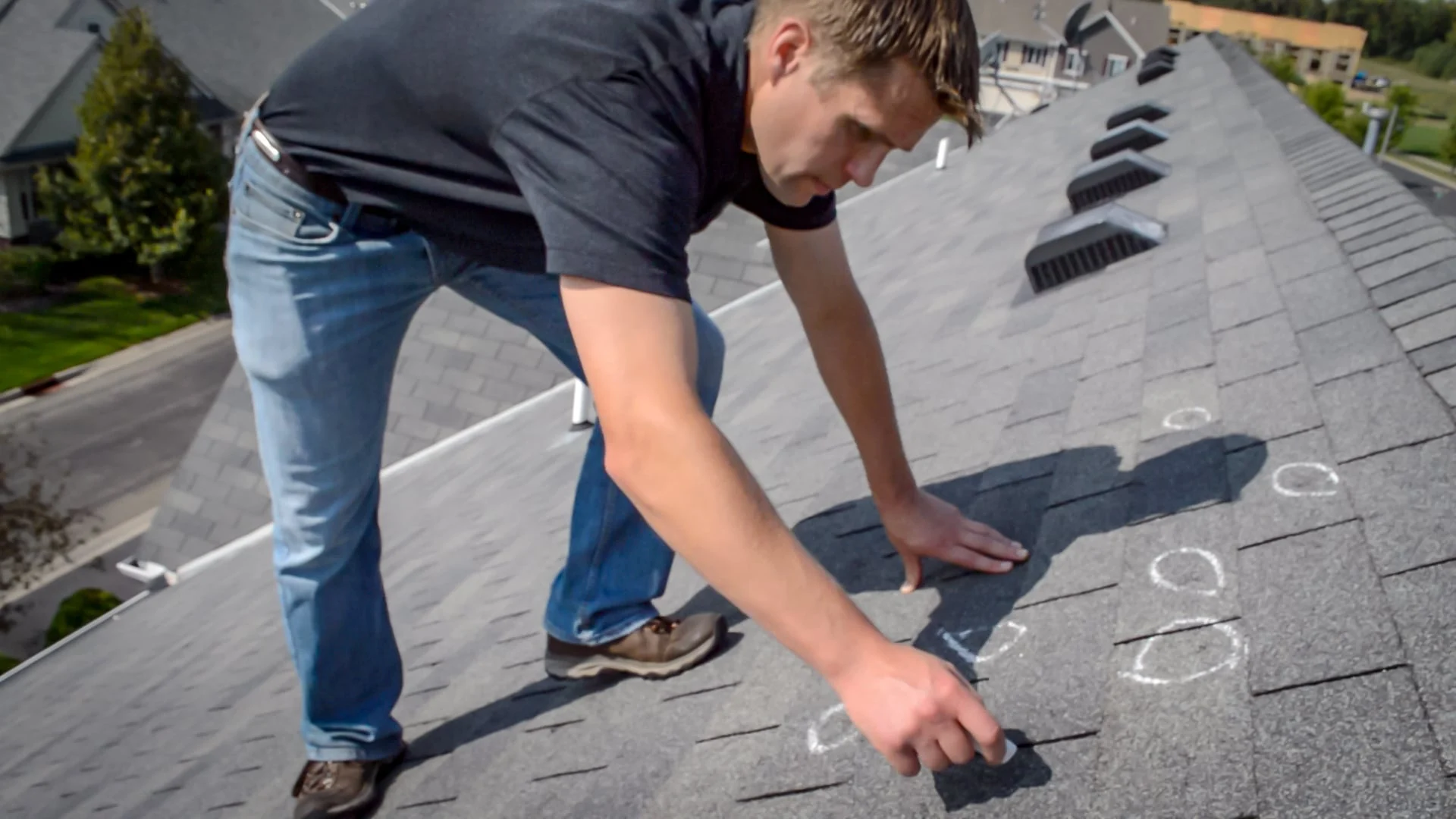
Hail Damage Roof Insurance Claims
Documentation for membrane bruising, metal dents, and rooftop-unit damage after Tennessee Valley hail.
 Roof Work
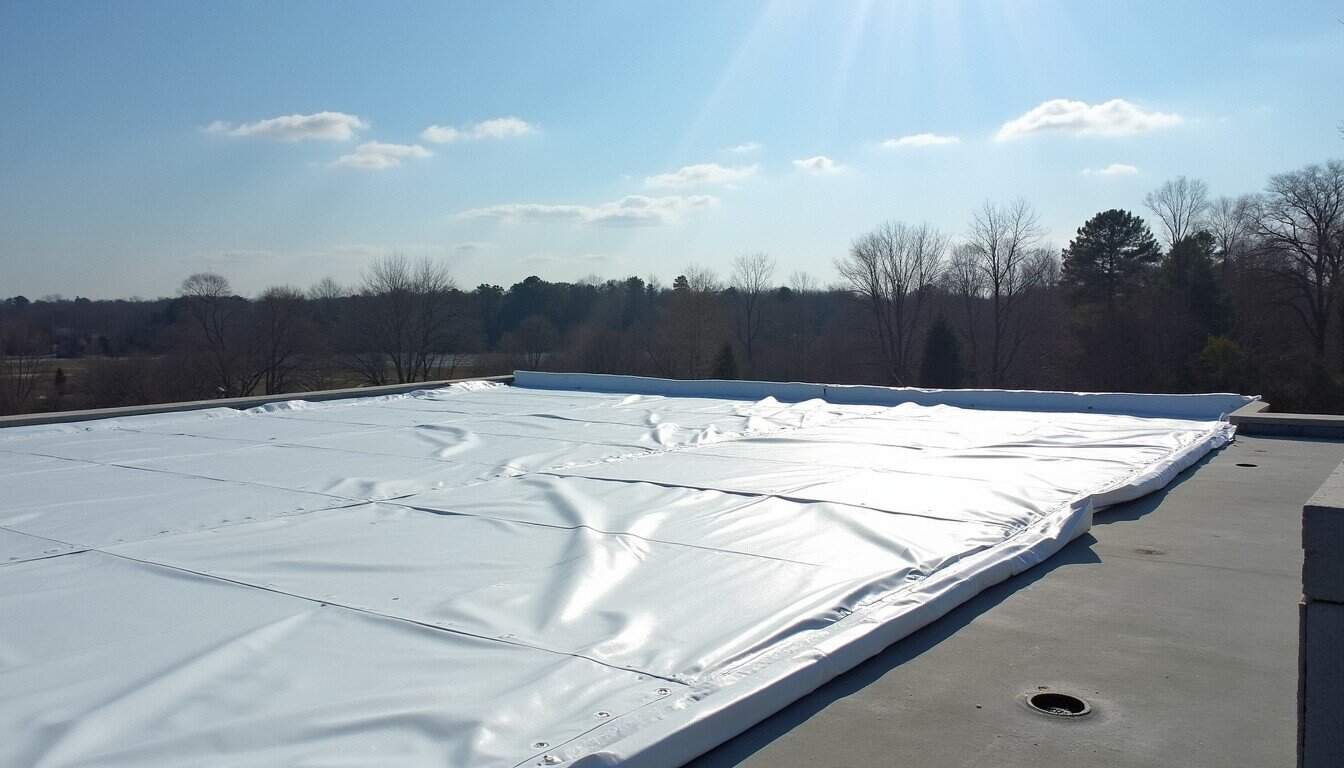
Wind and Storm Damage Roof Insurance Claims
Roof evidence for wind uplift, edge metal failure, and storm-driven membrane damage across Chattanooga.
 Roof Work
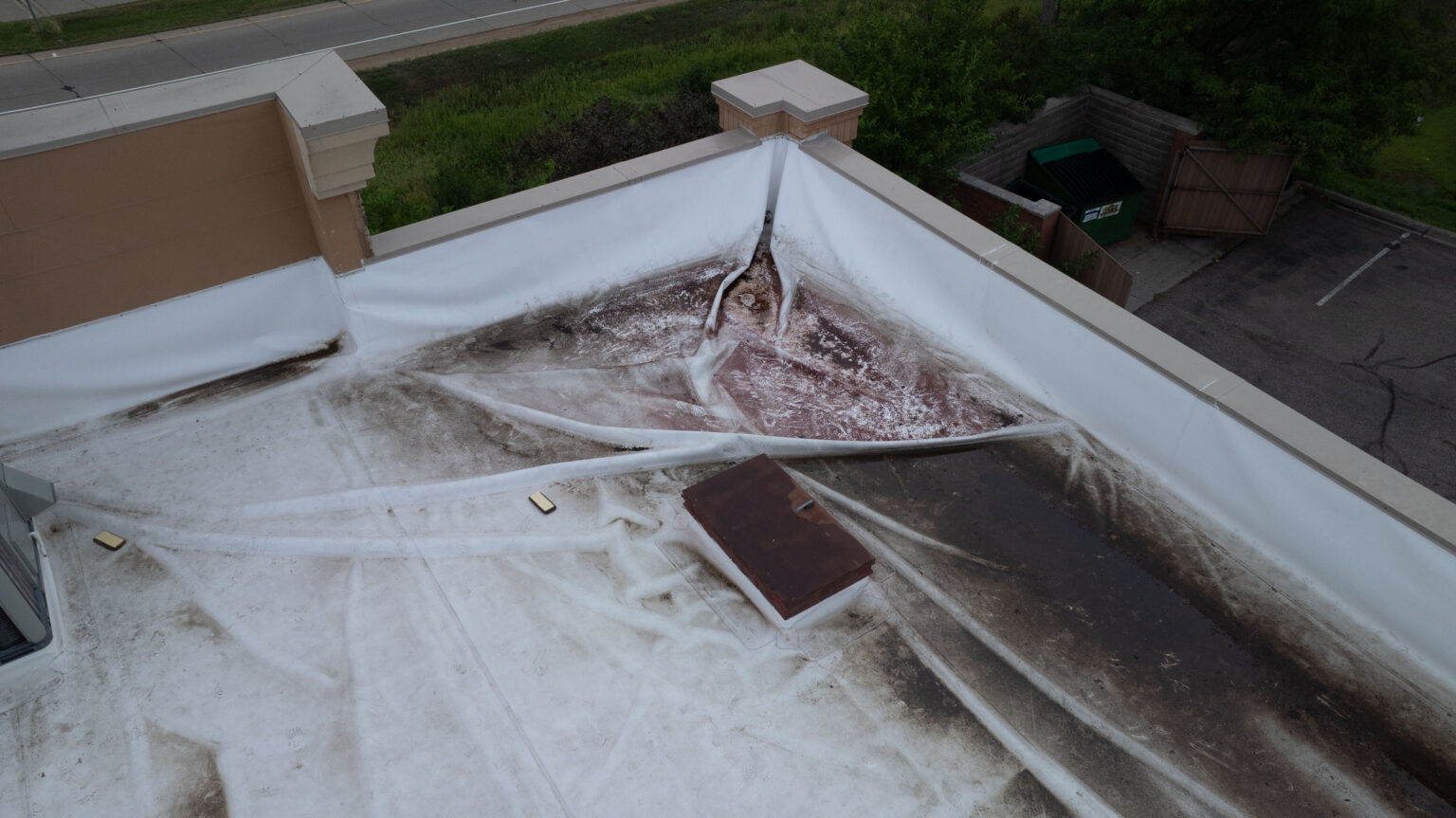
Insurance Claim Coordination
Day-to-day roof-side support through inspection, adjuster scheduling, and scope documentation.