
University and College Campus Roofing in Chattanooga, TN
University and College Campus Roofing starts with roof evidence before repair, restoration, recover, or replacement decisions are made.
Roof Work
Document the roof before choosing the scope
Commercial roofing for university buildings, dormitories, academic halls, and college campuses throughout Chattanooga, TN.
The University of Tennessee at Chattanooga occupies a compact urban campus on the north side of downtown Chattanooga, and its combination of historic campus buildings, modern research and athletic facilities, and the Mocs' athletic complex creates a roofing maintenance and capital improvement program that touches virtually every category of institutional roofing complexity. UTC is a comprehensive university with graduate programs, funded research, and a large residential population, characteristics that shape both the operational constraints on roofing work and the performance standards that roofing systems must meet.
Semester break scheduling at UTC follows the UT System calendar, with the primary roofing window running from early May through early August. The university's summer programs, including regional continuing education and community events hosted on campus, reduce the availability of classroom and administrative buildings during parts of this window. Residential buildings are the most consistently available for roofing work during summer, and multi-building summer programs often prioritize dormitory re-roofing because of the direct impact that roof leaks have on residential life and the university's ability to attract and retain students. Planning these programs requires early coordination with both the facilities department and the housing and residence life office.
Chattanooga's compact urban campus creates access and logistics challenges that suburban campuses do not face. Streets adjacent to UTC's campus carry urban traffic volumes, and material staging is constrained by limited parking and service areas. Crane placement for high-access work on taller campus buildings requires advance coordination with the City of Chattanooga's traffic management office, and contractors must obtain lane closure permits well in advance of scheduled lifts. Experienced contractors in this market build lane closure lead times into their project schedules as a fixed constraint rather than a variable that can be managed closer to the work date.
Historic buildings on the UTC campus include the original campus structures dating to the nineteenth century, which are listed on the National Register of Historic Places. The Tennessee State Historic Preservation Office reviews exterior modifications to these buildings, and the application of modern roofing materials that alter the visible character of historic rooflines requires documented justification under the Secretary of the Interior's Standards. Copper or terne-coated standing seam details on historic dormitories, for example, cannot simply be replaced with standard modified bitumen edge metal without historic preservation review and approval.
LEED and green requirements at UTC reflect the UT System's sustainability commitments and UTC's own campus master plan goals. The university's Facilities Management department applies LEED for Existing Buildings criteria to major capital projects and has installed green roof assemblies on several campus buildings as part of Chattanooga's broader urban sustainability initiatives. Contractors working on UTC green roof installations must be trained in the specific assembly types approved by the university's specifications and must coordinate with the campus sustainability coordinator throughout the installation process.
Research building roofing at UTC includes the Chattanooga Simulation Center, engineering research facilities, and the University Health Service building, which operates as a licensed medical facility with clinical standards for environmental control. Roofing work on the Health Service building requires hospital-equivalent infection control procedures for any work that creates dust or debris migration into occupied clinical spaces. Contractors who have healthcare facility roofing experience bring a significant qualification advantage for this work category.
Institutional procurement at UTC follows UT System and Tennessee Board of Regents procurement policies. Large construction contracts require competitive bidding through the state procurement system, and contractors must be registered with the Tennessee Secretary of State's office and compliant with Tennessee's contractor licensing requirements for roofing work above applicable thresholds. The UT System maintains a preferred vendor program for facilities maintenance services that qualified contractors can pursue through the system's contracting office in Knoxville.
Chattanooga's climate creates moisture management challenges that are specific to the river valley location. The combination of summer humidity, autumn valley fog, and winter temperature inversions creates sustained condensation conditions in roof assemblies that require vapor retarder specifications calibrated to local conditions. Contractors who apply generic Southeast specifications developed for drier Piedmont or coastal markets may underspec vapor management at UTC buildings, leading to insulation performance degradation that shortens effective service life.
Long-term capital planning at UTC is integrated with the UT System's capital facilities planning process, and the university's deferred maintenance report is an annual document that drives budget requests to the Tennessee state legislature. Contractors who provide post-project documentation in a format that supports the deferred maintenance reporting process, with building condition scores, system age records, and projected future capital needs, contribute directly to the university's funding advocacy and earn a valued role in the institution's long-term planning.
What information should we send before a University and College Campus Roofing roof walk?
Before a University and College Campus Roofing roof walk, send the building location, roof age if known, roof access instructions, leak photos, tenant restrictions, and prior roof reports. Those details let us shape the inspection around the actual roof problem instead of arriving with a generic checklist.
Can University and College Campus Roofing be handled while the building stays occupied?
For University and College Campus Roofing, occupied-building work depends on access, odor, noise, staging room, weather exposure, and how much roof must be opened at one time. We phase the work around dry-in, tenant protection, loading paths, and the operating schedule below the roof.
How do we compare repair, coating, recover, and replacement for University and College Campus Roofing?
For University and College Campus Roofing, we compare moisture evidence, layer count, deck condition, drainage, age, storm exposure, roof traffic, and future use before naming a scope. That evidence is what separates a repair file from a restoration plan, a recover option, or a replacement budget.
Do you promise manufacturer certification or insurance approval for University and College Campus Roofing?
For University and College Campus Roofing, we do not invent credentials, promise claim outcomes, or write warranty language before the facts support it. We document conditions, identify manufacturer or carrier questions, and keep recommendations tied to reviewable roof evidence.
What makes Chattanooga planning different for University and College Campus Roofing?
Chattanooga planning for University and College Campus Roofing has to account for downtown access, UTC and hospital-area traffic, Enterprise South and Centre South Riverport industrial corridors, humid Tennessee Valley heat, severe thunderstorms, hail, freeze-thaw movement, leaf debris, and wind-driven rain.
- R Panel Metal Roofing
- Storm Damage Roof Repair
- Industrial Roofing
- Healthcare Facility Roofing
- Solar Roof Integration
- New Construction Roofing
- Insulation Recovery Board
- Mixed Use Roofing
Planning checkpoints
From urgent response to responsible scope
Condition
University and College Campus Roofing work starts with the affected roof area, water path, membrane condition, and interior evidence.
Operations
Work windows, tenant protection, loading paths, and safety expectations need to be named early.
Options
Repair, maintenance, coating, recover, and replacement should be compared without blurring the tradeoffs.
Next Step
A concise field record helps ownership decide what needs immediate action and what belongs in planning.
Related roof paths
Keep exploring
 Roof Work
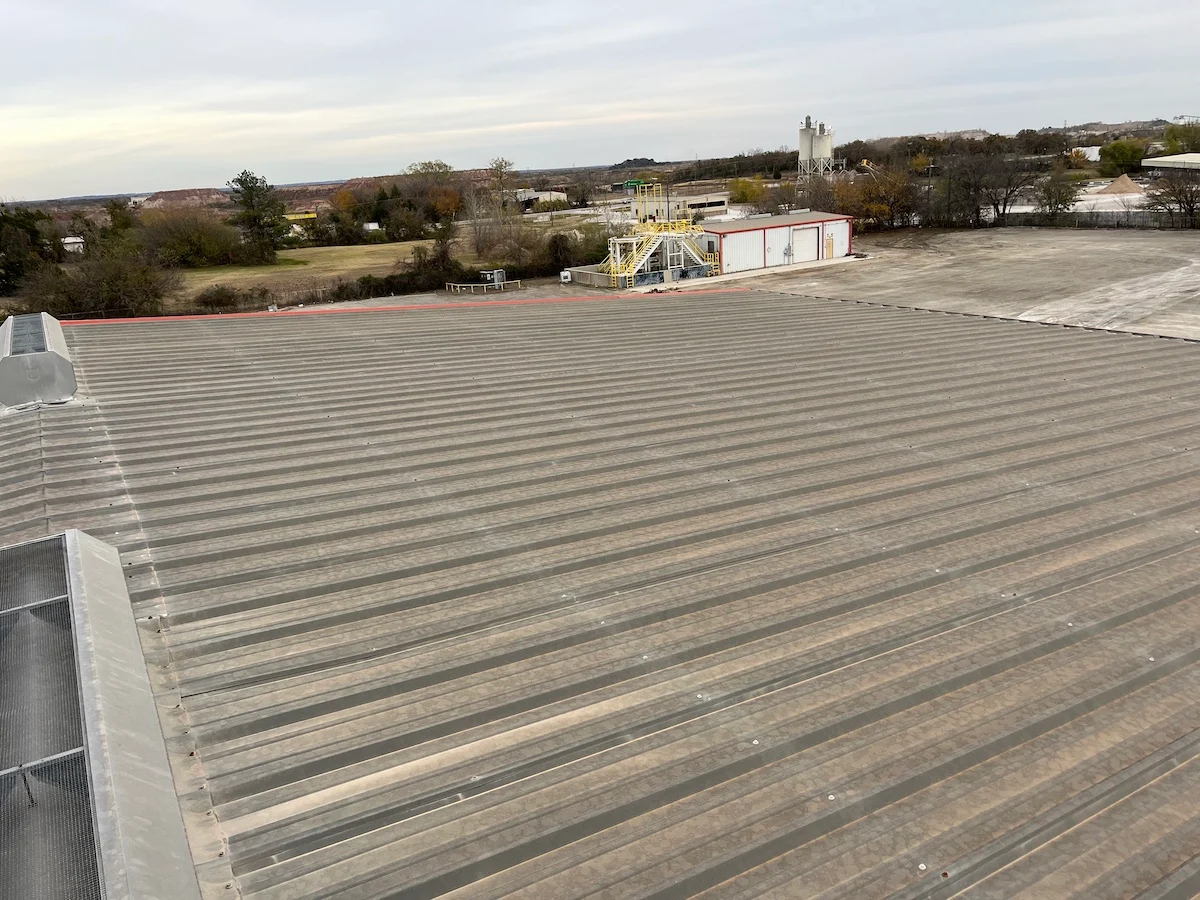
R-Panel Metal Roofing
R-Panel Metal Roofing support covers access, staging, drainage, and roof traffic for Chattanooga commercial buildings.
 Roof Work
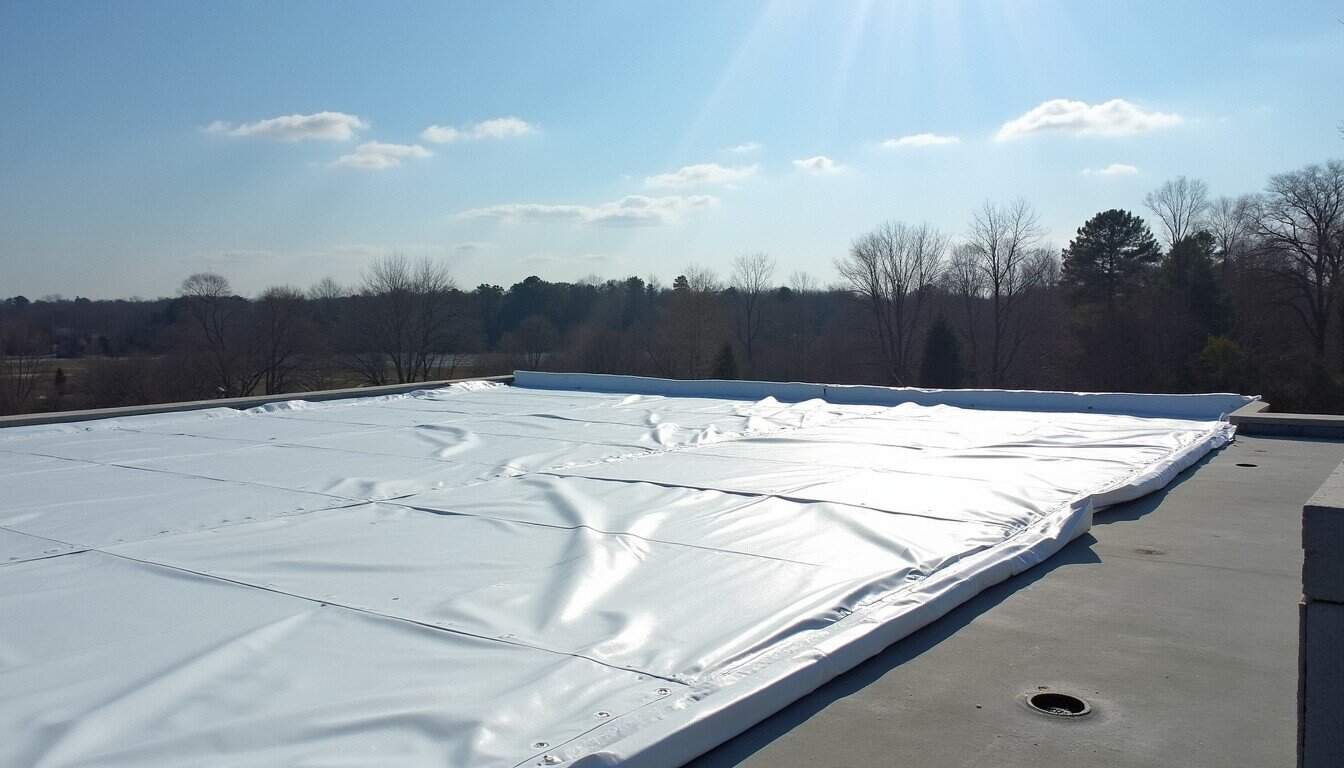
Storm Damage Roof Repair
Storm Damage Roof Repair support covers tenant communication, rooftop equipment, and dry-in timing for Chattanooga commercial buildings.
 Roof Work
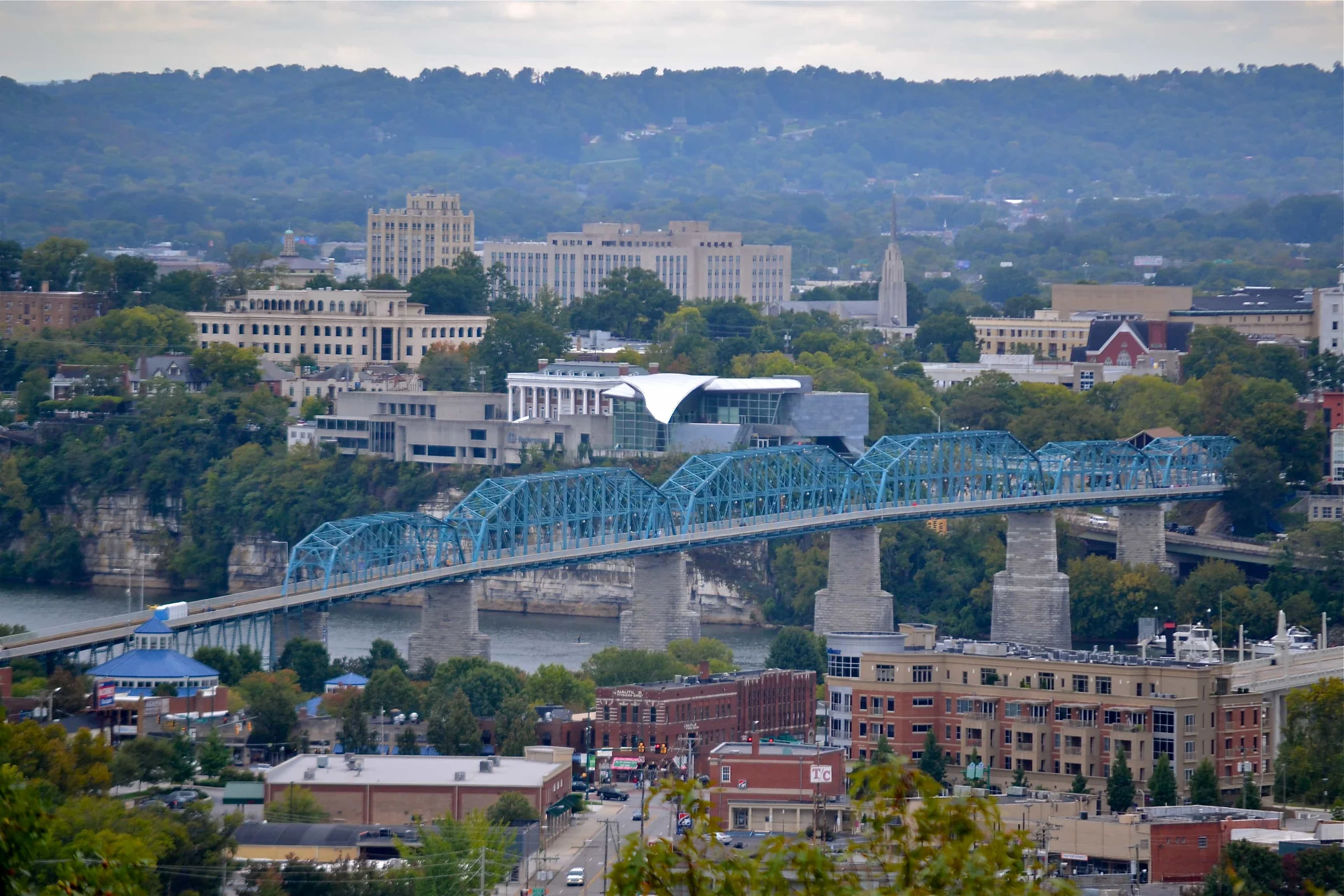
Industrial Roofing
Industrial Roofing support covers moisture review, edge conditions, and practical budget timing for Chattanooga commercial buildings.