
Industrial Roofing in Chattanooga, TN
Industrial Roofing starts with roof evidence before repair, restoration, recover, or replacement decisions are made.
Roof Work
Document the roof before choosing the scope
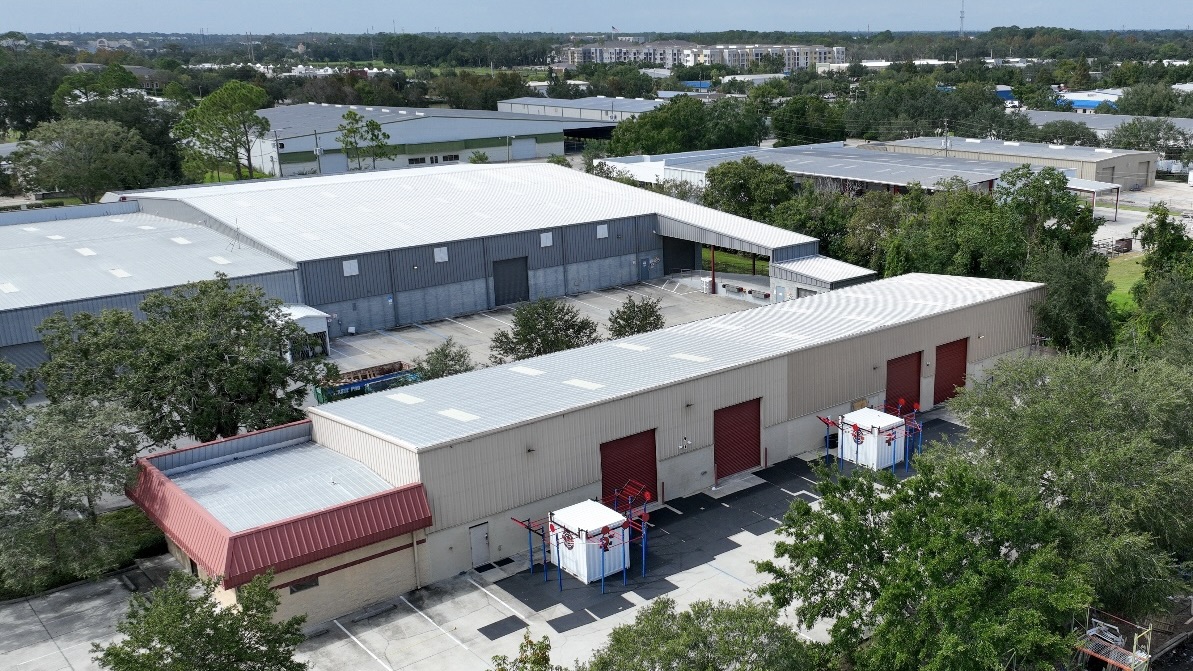
Industrial Roofing for manufacturing facilities, warehouses, and industrial buildings throughout Chattanooga Metro.
Industrial roofing in Chattanooga has entered a new chapter driven by the city's transformation into a major Southeast manufacturing and logistics hub. The Volkswagen assembly plant in East Chattanooga brought tier-one and tier-two automotive supplier investment that has filled out the industrial real estate around I-75. Amazon and a growing roster of regional and national logistics operators have built large distribution facilities along the I-75/I-24 interchange zones. Alstom's rail manufacturing operations represent a different scale and complexity of industrial building altogether. And the River City Company's industrial waterfront redevelopment along the Tennessee River creates a third type of industrial building stock, historic and adaptive-reuse properties alongside new construction. We work across all of these segments, and Chattanooga's diversity of industrial building types makes it one of the more technically varied industrial markets in the Southeast.
The Volkswagen Chattanooga assembly plant and the automotive supplier buildings that surround it represent the most demanding industrial roofing environment in the local market. Automotive assembly buildings are large, operate continuously, have complex internal environmental requirements, and generate significant internal heat and humidity from manufacturing processes. The rooftop mechanical equipment on an automotive assembly plant is far more extensive than on a warehouse or distribution building, creating a penetration and curb inventory that requires careful documentation and flashing design. Paint shop buildings within automotive facilities have specific ventilation and exhaust requirements that create chemical exposure conditions for adjacent roofing. We evaluate automotive manufacturing buildings as industrial roofing specialists, not as commercial roofing contractors doing a large project.
For Chattanooga's industrial flat and low-slope roofs, we install TPO, EPDM, modified bitumen, and metal systems matched to each building's specific conditions. TPO is well-suited to modern distribution and logistics facilities, the reflective surface helps manage cooling loads in Tennessee's hot summers, and heat-welded seams provide the durability these high-volume operations require. Modified bitumen two-ply systems are appropriate for older industrial buildings with complex substrates or high penetration density. EPDM handles thermal cycling well in Chattanooga's climate, which experiences genuine seasonal temperature range from summer heat into occasional winter ice. Metal R-panel and standing seam are standard on new industrial construction, particularly for the automotive supplier buildings in the I-75 corridor where new steel-framed facilities are common. SPF with protective coating is occasionally appropriate on buildings with irregular substrates or difficult penetration conditions where a seamless system is worth the cost premium.
Chattanooga's annual rainfall of 53 inches places it among the wetter industrial markets in the Southeast interior, and the precipitation distribution creates year-round maintenance demands. Spring convective storms can deliver heavy rainfall in short periods that tests drainage system capacity. Summer storms add moisture loading to roofs already stressed by heat and UV. Fall and winter bring the risk of ice storms, while Chattanooga rarely gets significant snow, it sits at the northern edge of the Southeast ice belt, and winter ice events are a real consideration for industrial roofs here. The 2015 and 2021 ice events affected industrial facilities across the Chattanooga metro, and the damage we saw reinforced the importance of proper perimeter flashing and edge metal attachment even in a climate where severe weather seems less likely than in northern markets.
The Tennessee River industrial waterfront adds a specific environmental dimension to Chattanooga industrial roofing that inland buildings don't experience. Buildings along the river are exposed to higher humidity, more frequent fog and moisture events, and the temperature differential effects that come with proximity to a large body of water. Edge metal and metal components on riverfront industrial buildings should be specified for increased corrosion resistance relative to inland buildings in the same climate. We evaluate the specific location characteristics of each building, distance from the river, prevailing wind exposure, and building orientation, and adjust our metal component specification accordingly.
Amazon and the logistics and distribution operators in Chattanooga's I-75/I-24 corridor have created significant demand for large modern industrial roofing over the past decade. These buildings, 400,000 to 800,000 square feet, modern steel framing, dense rooftop mechanical equipment, have straightforward roofing requirements on the surface but demand industrial-scale project management capability to execute well. Roof surfaces at this scale require careful quality assurance during installation, we use infrared thermal imaging and seam probe testing to verify installation quality before these projects close out, rather than relying solely on visual inspection. On distribution buildings with institutional owners, we provide the complete warranty documentation package, manufacturer warranty registration, installer certification documentation, and project record drawings, that institutional industrial real estate ownership requires.
Alstom's rail manufacturing facility in Chattanooga represents a specialized industrial building type, heavy manufacturing with overhead crane systems, large clear-span steel framing, and the vibration and structural dynamic loads that come with active metal fabrication and rail vehicle assembly. Roofing on active heavy manufacturing facilities requires crew safety awareness of overhead crane operations, coordination with production scheduling to access roof sections during safe maintenance windows, and awareness of the vibration and structural movement characteristics that affect membrane and flashing performance over time. We've worked on active heavy manufacturing facilities and understand the coordination protocols these buildings require.
Access logistics on Chattanooga's industrial facilities vary by building type, but the common element is that active industrial operations are running and roof work has to be coordinated around them. Modern distribution centers have strict protocols around truck dock access, yard equipment operation, and facility safety programs. Automotive supplier facilities have shift schedules, safety officer programs, and sometimes classified production areas that govern contractor access. We engage facility management on every industrial project to understand the specific access environment and build a project plan that respects operational requirements. Industrial roofing isn't just technical work, it's logistics and coordination work, and the planning that happens before the first day of installation largely determines whether the project disrupts your operation or runs seamlessly around it.
Industrial roofing maintenance in Chattanooga should be structured around the weather calendar: spring inspection before summer storm season and fall inspection before winter ice risk. For automotive and heavy manufacturing facilities, we also recommend mid-year penetration inspections after the heavy HVAC maintenance season, since equipment service traffic in summer is a common source of membrane damage that's best caught before it becomes an active leak. Our maintenance programs include written inspection reports with photographs, drain clearing, minor repair coverage, and budget-planning support, giving facility managers the documentation they need for capital planning and the peace of mind that comes from knowing their roof's condition is actively monitored.
We serve the full range of industrial clients in the Chattanooga market, Volkswagen-area automotive suppliers, I-75 distribution operators, Tennessee River waterfront industrial properties, heavy manufacturing facilities, and the growing portfolio of modern industrial construction in the I-24 corridor toward Atlanta. If you manage or own industrial property in the Chattanooga region, contact us to schedule a site assessment. We'll give you an accurate picture of what's on your roof and a clear recommendation for what it needs.
The differences are significant. Automotive manufacturing buildings typically have higher internal heat and humidity levels from manufacturing processes, more extensive rooftop mechanical equipment, complex ventilation and exhaust penetration conditions, and stricter contractor safety program requirements. The internal environment of a paint shop, for example, creates chemical exhaust conditions that need to be evaluated for membrane compatibility, the same concern we handle on petrochemical buildings applies at a smaller scale in automotive paint and coating operations. Distribution warehouses, by contrast, have simpler internal environments and more standardized rooftop conditions. The project management requirements also differ: automotive facilities typically have more formal contractor approval processes, site safety program integration requirements, and production-critical access restrictions. We're experienced with both building types and approach them with appropriately different project management frameworks.
Corrosion on riverfront industrial buildings is primarily driven by the combination of higher humidity, frequent fog and dew events, and the temperature cycling that comes with proximity to the river. For replacement metal components on these buildings, we specify aluminum edge metal (which doesn't rust) or hot-dip galvanized steel with a substantially heavier coating weight than standard commercial products. Stainless steel is appropriate for high-corrosion locations like drain strainers, overflow scupper bodies, and any penetration hardware in direct water contact. The adhesives and sealants we use on riverfront buildings are also evaluated for compatibility with the higher moisture environment, some sealant formulations that perform well in drier conditions degrade more quickly with sustained moisture exposure. If your building has persistent corrosion at metal components, the long-term solution is upgrading to corrosion-resistant materials specifications, not repeatedly replacing standard commercial components.
Automotive supplier facilities in the Volkswagen corridor have contractor management programs that govern how outside vendors access and work in their facilities, and working within that program is our starting point. This typically involves contractor pre-qualification, site safety orientation, compliance with the facility's hot work permit procedures, and coordination with a designated facility contact for daily access and work zone approval. We engage the facility's safety officer and facilities manager early in the project planning process, before we finalize scope or schedule, to understand the specific requirements of your plant. Access to roof sections is planned around shift schedules and production critical areas. Our field supervisors maintain current safety certifications and are comfortable working within formal industrial safety management systems. We've found that clear, early communication with facility management is the single most important factor in executing an automotive supplier plant roofing project without operational disruption.
Ice dam risk in Chattanooga is lower than in northern markets but not zero. Chattanooga sits at an elevation and latitude where winter ice events occur, typically one to three per year in a normal winter, and these events can create ice dam conditions at heated building perimeters. The mechanism is the same as in northern climates: internal heat escaping through the roof creates a warm zone where ice melts, and the water refreezes at the cold perimeter edge. In industrial buildings with high internal heat loads, automotive facilities, food processing, heated warehouses, this effect is more pronounced. The engineering control is adequate insulation continuity at the roof-to-wall transition and proper perimeter edge metal attachment. If you've seen water infiltration at wall-roof intersections during or after ice events, it's worth having us evaluate the insulation and flashing conditions at those locations specifically.
Maintenance traffic damage is one of the most common roofing problems we see on large industrial buildings in Chattanooga, and it's entirely preventable with the right protection and protocols in place. The solutions are layered: first, we install walk pad protection at designated service routes from roof access points to HVAC units, membrane-compatible walk pad material that protects the surface from equipment and foot traffic. Second, we work with facility management to establish written protocols for HVAC service contractors that specify where they can walk, what tools they can set directly on the roof surface (nothing hard and heavy without a pad underneath), and how to report membrane damage they observe. Third, we include rooftop condition checks as part of maintenance program visits specifically focused on areas around HVAC equipment. Walk pads are inexpensive and dramatically reduce maintenance-related membrane damage. If your current roof doesn't have them at all major service routes, that's an easy fix to make at your next maintenance visit.
How does industrial roofing for an automotive supplier plant differ from a distribution warehouse?
Our industrial building near the Tennessee River has ongoing corrosion issues with roof metal components. What should we specify?
How do we coordinate roofing work on an active VW-area automotive supplier plant?
Does Chattanooga's climate create ice dam problems on industrial roofs?
We're seeing wear and puncture damage on our large warehouse roof from HVAC maintenance traffic. How do we address this?
What information should we send before a Industrial Roofing roof walk?
Before a Industrial Roofing roof walk, send the building location, roof age if known, roof access instructions, leak photos, tenant restrictions, and prior roof reports. Those details let us shape the inspection around the actual roof problem instead of arriving with a generic checklist.
Can Industrial Roofing be handled while the building stays occupied?
For Industrial Roofing, occupied-building work depends on access, odor, noise, staging room, weather exposure, and how much roof must be opened at one time. We phase the work around dry-in, tenant protection, loading paths, and the operating schedule below the roof.
How do we compare repair, coating, recover, and replacement for Industrial Roofing?
For Industrial Roofing, we compare moisture evidence, layer count, deck condition, drainage, age, storm exposure, roof traffic, and future use before naming a scope. That evidence is what separates a repair file from a restoration plan, a recover option, or a replacement budget.
Do you promise manufacturer certification or insurance approval for Industrial Roofing?
For Industrial Roofing, we do not invent credentials, promise claim outcomes, or write warranty language before the facts support it. We document conditions, identify manufacturer or carrier questions, and keep recommendations tied to reviewable roof evidence.
What makes Chattanooga planning different for Industrial Roofing?
Chattanooga planning for Industrial Roofing has to account for downtown access, UTC and hospital-area traffic, Enterprise South and Centre South Riverport industrial corridors, humid Tennessee Valley heat, severe thunderstorms, hail, freeze-thaw movement, leaf debris, and wind-driven rain.
- Retail Roofing
- Drone Roof Inspection
- Commercial Roof Coatings
- Preventive Maintenance Programs
- Insulation Recovery Board
- Government Building Roofing
- Spray Foam Roofing
- Insurance Claim Coordination
Planning checkpoints
From urgent response to responsible scope
Condition
Industrial Roofing work starts with the affected roof area, water path, membrane condition, and interior evidence.
Operations
Work windows, tenant protection, loading paths, and safety expectations need to be named early.
Options
Repair, maintenance, coating, recover, and replacement should be compared without blurring the tradeoffs.
Next Step
A concise field record helps ownership decide what needs immediate action and what belongs in planning.
Related roof paths
Keep exploring
 Roof Work
Retail and Shopping Center Roofing
Retail and Shopping Center Roofing support covers access, staging, drainage, and roof traffic for Chattanooga commercial buildings.
 Roof Work
Drone Roof Inspection
Drone Roof Inspection support covers tenant communication, rooftop equipment, and dry-in timing for Chattanooga commercial buildings.
 Roof Work
Acrylic and Silicone Roof Coatings
Acrylic and Silicone Roof Coatings support covers moisture review, edge conditions, and practical budget timing for Chattanooga commercial buildings.