
Retail and Shopping Center Roofing in Chattanooga, TN
Retail and Shopping Center Roofing starts with roof evidence before repair, restoration, recover, or replacement decisions are made.
Roof Work
Document the roof before choosing the scope
Commercial roofing for strip malls, shopping centers, anchor stores, and standalone retail buildings throughout Chattanooga, TN.
Chattanooga's retail commercial landscape has undergone a notable transformation over the past fifteen years, anchored by the renaissance of the North Shore and Southside districts and the continued expansion of suburban retail along Gunbarrel Road in East Brainerd and the Highway 153 corridor in Hixson. Property managers overseeing retail assets across Hamilton County navigate a climate that bridges the hot and humid Southeast with the more volatile weather patterns of the southern Appalachians. The Scenic City's position in the Tennessee Valley creates localized weather conditions, including significant hail events, tornado-producing supercells in spring, and occasional ice storms in winter, that keep commercial roofing on the priority list for any property management operation.
Severe convective weather is the dominant acute roofing risk for Chattanooga retail property owners. The valley topography that makes the area visually stunning also channels storms in ways that concentrate wind and hail impacts on specific corridors. Strip centers along Lee Highway in Ooltewah and the retail developments near Hamilton Place mall have both experienced significant hail damage events in recent years. Property managers who have established relationships with qualified commercial roofing contractors are able to get inspections scheduled and documented quickly after a storm, supporting timely insurance claims rather than waiting months for contractor availability to open up.
TPO single-ply roofing is the standard specification for new commercial retail construction throughout the Chattanooga metro, and the reflective surface is particularly valuable given the region's high summer cooling loads. Fully adhered TPO over polyiso insulation delivers energy performance that helps national retail tenants meet their corporate sustainability targets while also reducing the operating costs that flow through CAM charges. The Tennessee Valley Authority and local utilities have historically offered demand-side management incentives for commercial energy efficiency improvements, and property managers planning roof projects should confirm current program availability before finalizing specifications.
HVAC penetrations on Chattanooga retail roofs require consistent attention because the temperature range the equipment endures, from summer highs above 95 degrees to winter lows that occasionally reach single digits, imposes significant thermal stress on curb flashings and sealants. Strip centers along Ringgold Road or the older retail corridors near Brainerd Village often have rooftop units that predate the current roof membrane, meaning the curb flashing conditions reflect multiple patch generations rather than a clean, engineered installation. A full penetration review as part of any re-roofing scope is not optional maintenance, it is the step that prevents the new membrane from being compromised by the first hard rain after installation.
Tenant disruption planning at Chattanooga retail properties is influenced by the city's growing food and beverage tenant mix. The North Shore's collection of local restaurant concepts and specialty retail, combined with national tenants in the Hamilton Place area, creates a diverse tenant landscape where different businesses have very different sensitivities to overhead noise and vibration. Contractors who work in smaller daily sections, use dust curtains at penetrations above occupied spaces, and communicate daily progress updates to the property manager enable those managers to relay accurate information to tenants who want to know what to expect on any given morning.
Flat roof drainage on Chattanooga retail properties reflects the area's rainfall intensity, the Tennessee Valley receives 50 to 55 inches of rain annually, often concentrated in spring thunderstorm events that deliver several inches in hours. Interior drain systems on older strip malls in areas like Brainerd or Red Bank may have been undersized to original installation standards that didn't anticipate current storm intensity patterns. Adding overflow scuppers, verifying drain leader capacity, and cleaning debris screens semi-annually keeps drainage functioning at design intent and prevents the standing water that accelerates membrane aging in a humid Southern climate.
The Chattanooga retail real estate market has attracted outside investor interest as the city's quality-of-life profile has risen nationally. Grocery-anchored centers and medical-adjacent retail along Gunbarrel Road and the Lee Highway corridor have traded at competitive cap rates, and buyers arriving from larger markets bring rigorous due diligence standards that include detailed roof assessments. A third-party Property Condition Assessment on a retail asset that identifies deferred roof maintenance can result in price adjustments or seller repair credits that exceed the cost of addressing those items proactively. Sellers who invest in pre-listing roof documentation consistently report cleaner transactions.
Brand standards compliance on pad sites adjacent to anchored shopping centers is an area where Chattanooga retail property owners often need a roofing contractor with national brand experience. When a national convenience store, pharmacy, or fast-food operator builds or renovates a pad site, their corporate construction documentation specifies membrane type, color, thickness, and installation method in detail. Contractors who have executed those brand standards across multiple markets arrive knowing the requirements without needing an education on the site, which reduces RFI traffic and keeps the project timeline on track for certificate of occupancy.
CAM budget accuracy for Chattanooga retail owners requires building in a roof maintenance reserve that reflects both the normal aging of the system and the storm-related repair frequency that the Tennessee Valley's severe weather season generates. A simple roof maintenance line in the operating budget that assumes one inspection and no repairs is not defensible when a spring hail season produces three inspection and repair events. Using a three-year rolling average of actual roof maintenance expenditures as the CAM budget basis produces more accurate forecasts and more credible reconciliations under triple-net lease structures common in the market.
What information should we send before a Retail and Shopping Center Roofing roof walk?
Before a Retail and Shopping Center Roofing roof walk, send the building location, roof age if known, roof access instructions, leak photos, tenant restrictions, and prior roof reports. Those details let us shape the inspection around the actual roof problem instead of arriving with a generic checklist.
Can Retail and Shopping Center Roofing be handled while the building stays occupied?
For Retail and Shopping Center Roofing, occupied-building work depends on access, odor, noise, staging room, weather exposure, and how much roof must be opened at one time. We phase the work around dry-in, tenant protection, loading paths, and the operating schedule below the roof.
How do we compare repair, coating, recover, and replacement for Retail and Shopping Center Roofing?
For Retail and Shopping Center Roofing, we compare moisture evidence, layer count, deck condition, drainage, age, storm exposure, roof traffic, and future use before naming a scope. That evidence is what separates a repair file from a restoration plan, a recover option, or a replacement budget.
Do you promise manufacturer certification or insurance approval for Retail and Shopping Center Roofing?
For Retail and Shopping Center Roofing, we do not invent credentials, promise claim outcomes, or write warranty language before the facts support it. We document conditions, identify manufacturer or carrier questions, and keep recommendations tied to reviewable roof evidence.
What makes Chattanooga planning different for Retail and Shopping Center Roofing?
Chattanooga planning for Retail and Shopping Center Roofing has to account for downtown access, UTC and hospital-area traffic, Enterprise South and Centre South Riverport industrial corridors, humid Tennessee Valley heat, severe thunderstorms, hail, freeze-thaw movement, leaf debris, and wind-driven rain.
- Modified Bitumen Roofing
- Commercial Roof Repair
- Skylight Penetration Flashing
- Auto Dealership Roofing
- University Campus Roofing
- Spray Foam Roofing
- Insurance Claim Coordination
- Restaurant Roofing
Planning checkpoints
From urgent response to responsible scope
Condition
Retail and Shopping Center Roofing work starts with the affected roof area, water path, membrane condition, and interior evidence.
Operations
Work windows, tenant protection, loading paths, and safety expectations need to be named early.
Options
Repair, maintenance, coating, recover, and replacement should be compared without blurring the tradeoffs.
Next Step
A concise field record helps ownership decide what needs immediate action and what belongs in planning.
Related roof paths
Keep exploring
 Roof Work
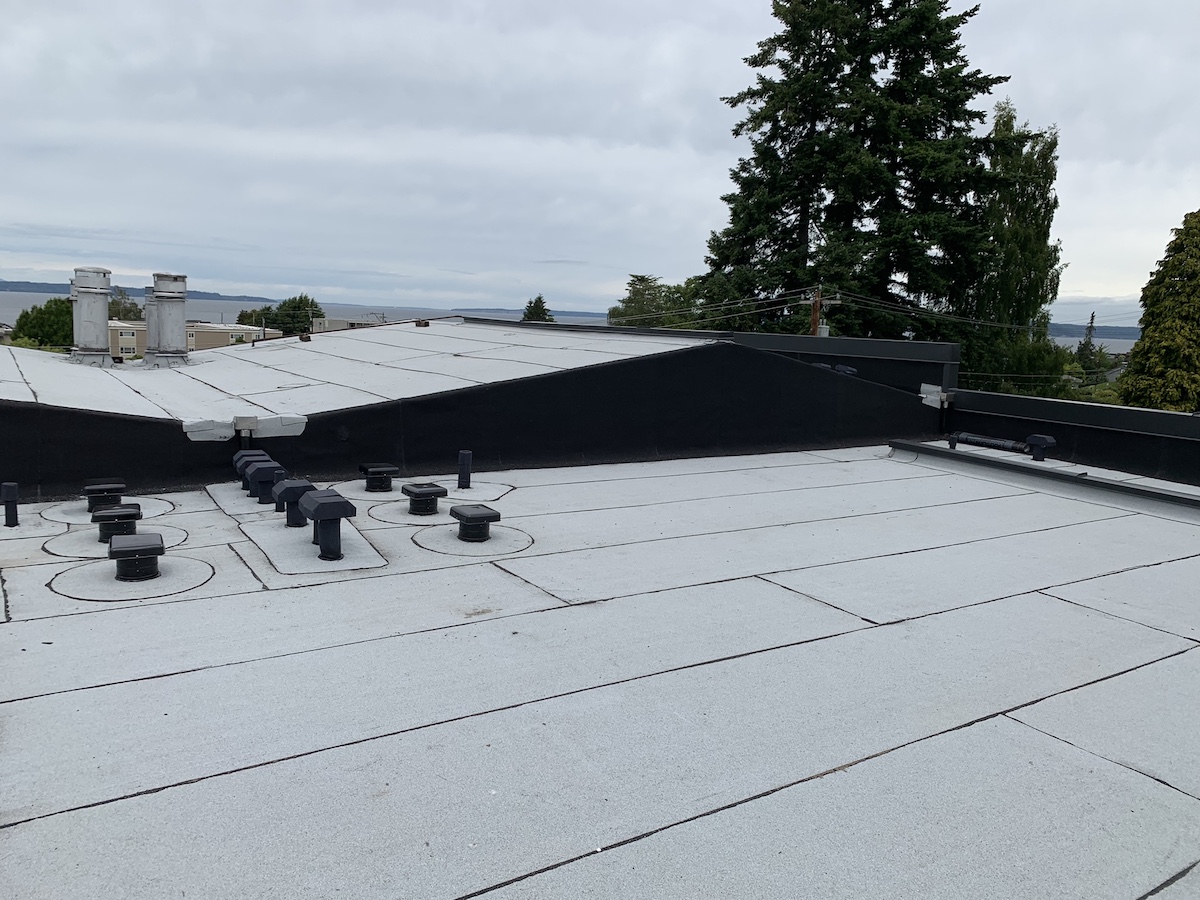
Modified Bitumen Roofing
Modified Bitumen Roofing support covers access, staging, drainage, and roof traffic for Chattanooga commercial buildings.
 Roof Work
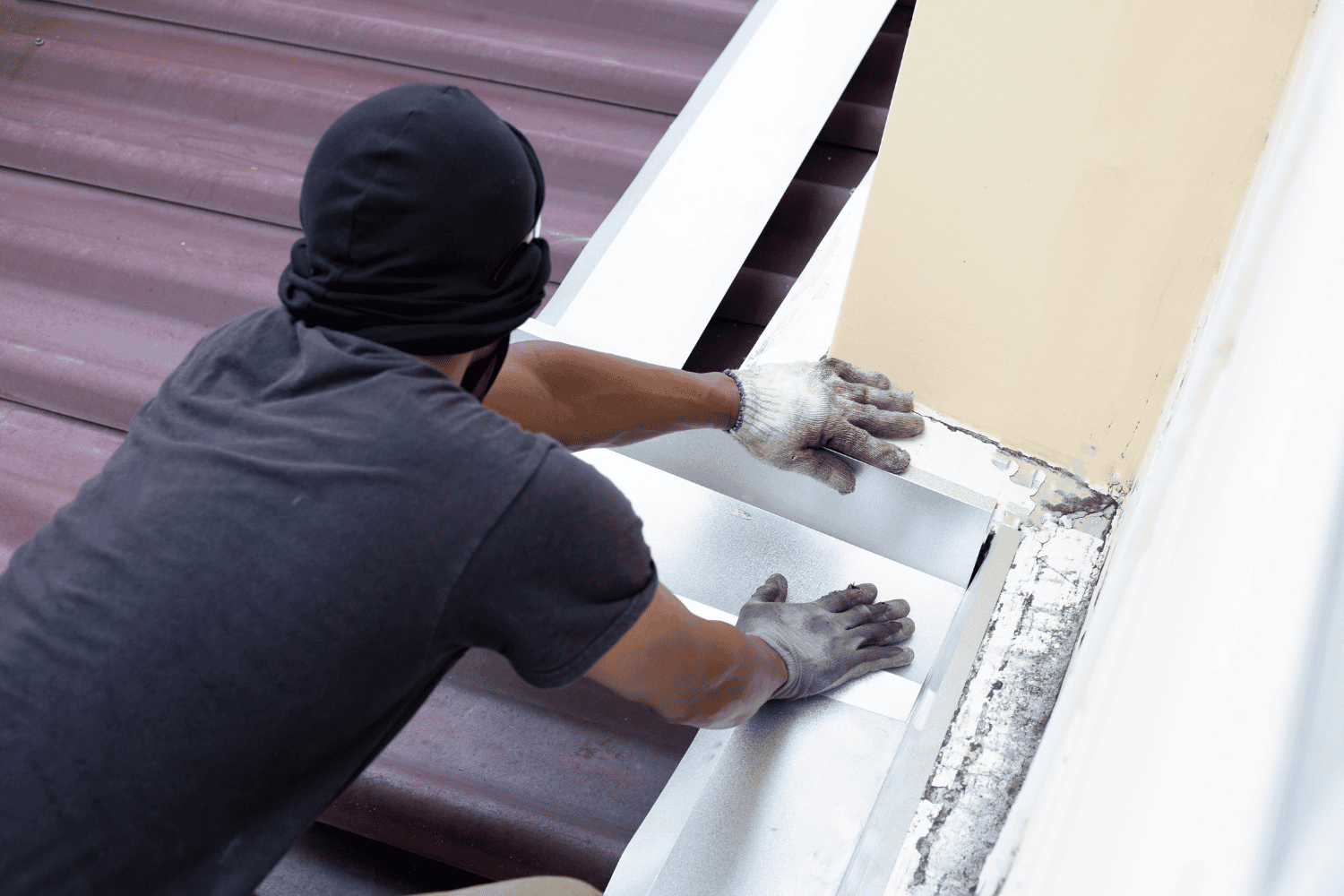
Commercial Roof Repair
Commercial Roof Repair support covers tenant communication, rooftop equipment, and dry-in timing for Chattanooga commercial buildings.
 Roof Work
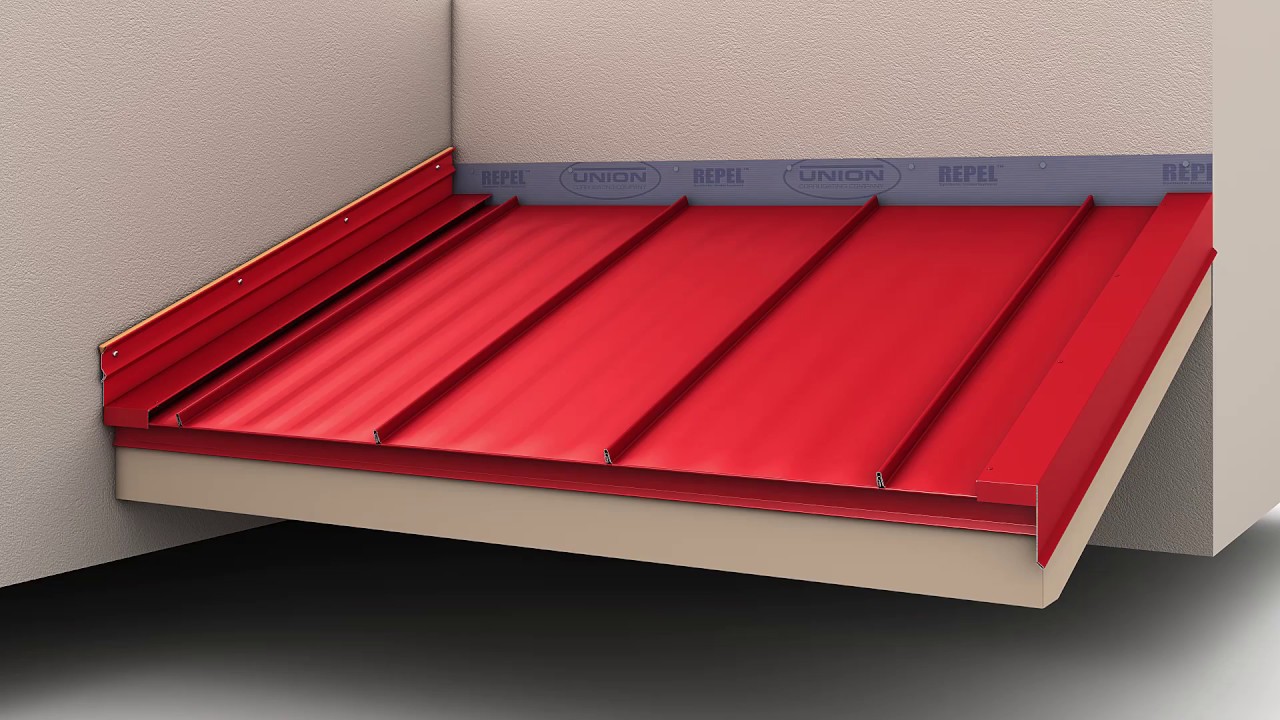
Skylight and Penetration Flashing
Skylight and Penetration Flashing support covers moisture review, edge conditions, and practical budget timing for Chattanooga commercial buildings.