
Self-Storage Facility Roofing in Chattanooga, TN
Self-Storage Facility Roofing starts with roof evidence before repair, restoration, recover, or replacement decisions are made.
Roof Work
Document the roof before choosing the scope
Commercial roofing for self-storage facilities, mini-storage buildings, and climate-controlled storage properties throughout Chattanooga, TN.
Chattanooga's self-storage market reflects the city's industrial and residential growth, with established operators like Life Storage maintaining facilities across Hamilton County and adjacent communities that require durable roofing systems suited to the region's variable climate. Sitting at the foot of Lookout Mountain and in the Tennessee River valley, Chattanooga experiences a climate that combines summer heat and humidity with occasional winter ice storms and the unpredictable severe weather that affects the broader Tennessee Valley corridor, conditions that test every component of a commercial roofing system over time.
The broad flat footprints of Chattanooga self-storage facilities, ranging from compact urban infill sites to sprawling suburban campuses in East Brainerd and Hixson, require single-ply membrane systems engineered for the local climate. TPO is the dominant choice in the Tennessee market because of its heat-reflective properties and weldable seams, but experienced contractors in the region know that Chattanooga's irregular terrain creates wind channeling effects around some storage sites that require mechanically attached systems with uplift ratings suited to local conditions. A roofing contractor familiar with the specific wind exposure characteristics of Hamilton County brings real value to the specification process.
Tenant belongings protection in Chattanooga requires attention to both moisture intrusion and heat penetration. The city's hot, humid summers mean that stored goods in non-climate-controlled units are exposed to temperature and humidity levels that promote mold growth on organic materials and corrosion on metal items. The roofing system contributes to tenant protection primarily through adequate insulation that prevents extreme heat buildup in the units below and through a watertight membrane that prevents the direct water intrusion that causes the most severe claims.
Chattanooga's position in a narrow river valley creates local weather patterns that can produce significant rainfall events from both frontal systems moving across Tennessee and convective storms that develop rapidly in summer afternoons. The city averages more than 50 inches of rain annually, making proper drainage design essential on all storage roofs. Tapered insulation creating positive slope toward interior drains eliminates the low spots where water ponds and membrane degradation accelerates. Drain sizing should account for the local 10-year rainfall intensity, not just average conditions.
Winter ice storms are a recurrent challenge for storage operators in the Chattanooga area. Unlike Buffalo or Cleveland, Chattanooga does not experience heavy snow, but it does experience ice storms that can deposit significant ice loads on roofs and create freeze-thaw cycling that stresses flashing details. Parapet wall through-flashing must be sealed against water infiltration driven by ice accumulation at the base of the parapet. Drain collars are particularly vulnerable, as water that pools at the drain freezes and expands, breaking caulk-based seals that are inadequate for this environment.
Climate-controlled self-storage has become increasingly important in Chattanooga as the market has matured and tenants expect it for high-value stored items. The roofing insulation assembly for climate-controlled buildings should target R-25 or higher, with particular attention to eliminating thermal bridges at structural penetrations and equipment curbs. A high-performance insulation assembly paired with a reflective TPO membrane reduces peak cooling demand during Chattanooga summers, lowering operating costs and extending the life of rooftop HVAC units that are expensive to access and replace on occupied storage campuses.
Security camera and access-control penetrations on Chattanooga storage roofs should be installed using prefabricated pipe boots compatible with the membrane system, not caulk-based details that fail within a few years. Chattanooga's temperature swings between summer highs above 95 degrees and occasional winter lows below 20 degrees create significant thermal movement in roof assemblies. Rigid caulk-based penetration seals crack under this cycling; membrane-compatible boots with adequate elongation move with the assembly and maintain their seal across the full temperature range.
Re-roofing occupied storage facilities in Chattanooga requires careful attention to sequencing, particularly at multi-building campuses where vehicle access to each building must remain available throughout the project. Experienced contractors develop detailed phasing plans that keep access lanes open and restore drainage at the end of each work shift. Material staging on large campuses is typically coordinated with the facility manager to avoid obstructing customer vehicle movement during peak weekend access times.
The roofing contractor selection process for Chattanooga storage operators should include verification of Tennessee contractor licensing, adequate insurance coverage, and references from comparable storage projects in the region. Ask specifically about experience with Hamilton County building department permit requirements and familiarity with Tennessee's adopted energy code as it applies to roofing insulation. The combination of technical competence and local regulatory knowledge defines the qualified commercial roofer in this market.
What information should we send before a Self-Storage Facility Roofing roof walk?
Before a Self-Storage Facility Roofing roof walk, send the building location, roof age if known, roof access instructions, leak photos, tenant restrictions, and prior roof reports. Those details let us shape the inspection around the actual roof problem instead of arriving with a generic checklist.
Can Self-Storage Facility Roofing be handled while the building stays occupied?
For Self-Storage Facility Roofing, occupied-building work depends on access, odor, noise, staging room, weather exposure, and how much roof must be opened at one time. We phase the work around dry-in, tenant protection, loading paths, and the operating schedule below the roof.
How do we compare repair, coating, recover, and replacement for Self-Storage Facility Roofing?
For Self-Storage Facility Roofing, we compare moisture evidence, layer count, deck condition, drainage, age, storm exposure, roof traffic, and future use before naming a scope. That evidence is what separates a repair file from a restoration plan, a recover option, or a replacement budget.
Do you promise manufacturer certification or insurance approval for Self-Storage Facility Roofing?
For Self-Storage Facility Roofing, we do not invent credentials, promise claim outcomes, or write warranty language before the facts support it. We document conditions, identify manufacturer or carrier questions, and keep recommendations tied to reviewable roof evidence.
What makes Chattanooga planning different for Self-Storage Facility Roofing?
Chattanooga planning for Self-Storage Facility Roofing has to account for downtown access, UTC and hospital-area traffic, Enterprise South and Centre South Riverport industrial corridors, humid Tennessee Valley heat, severe thunderstorms, hail, freeze-thaw movement, leaf debris, and wind-driven rain.
- Solar Roof Integration
- Spray Foam Roofing
- Commercial Roof Inspection
- Roof Drains Scuppers
- Multifamily Roofing
- Preventive Roof Maintenance
- Commercial Roof Leak Repair
- School Roofing
Planning checkpoints
From urgent response to responsible scope
Condition
Self-Storage Facility Roofing work starts with the affected roof area, water path, membrane condition, and interior evidence.
Operations
Work windows, tenant protection, loading paths, and safety expectations need to be named early.
Options
Repair, maintenance, coating, recover, and replacement should be compared without blurring the tradeoffs.
Next Step
A concise field record helps ownership decide what needs immediate action and what belongs in planning.
Related roof paths
Keep exploring
 Roof Work
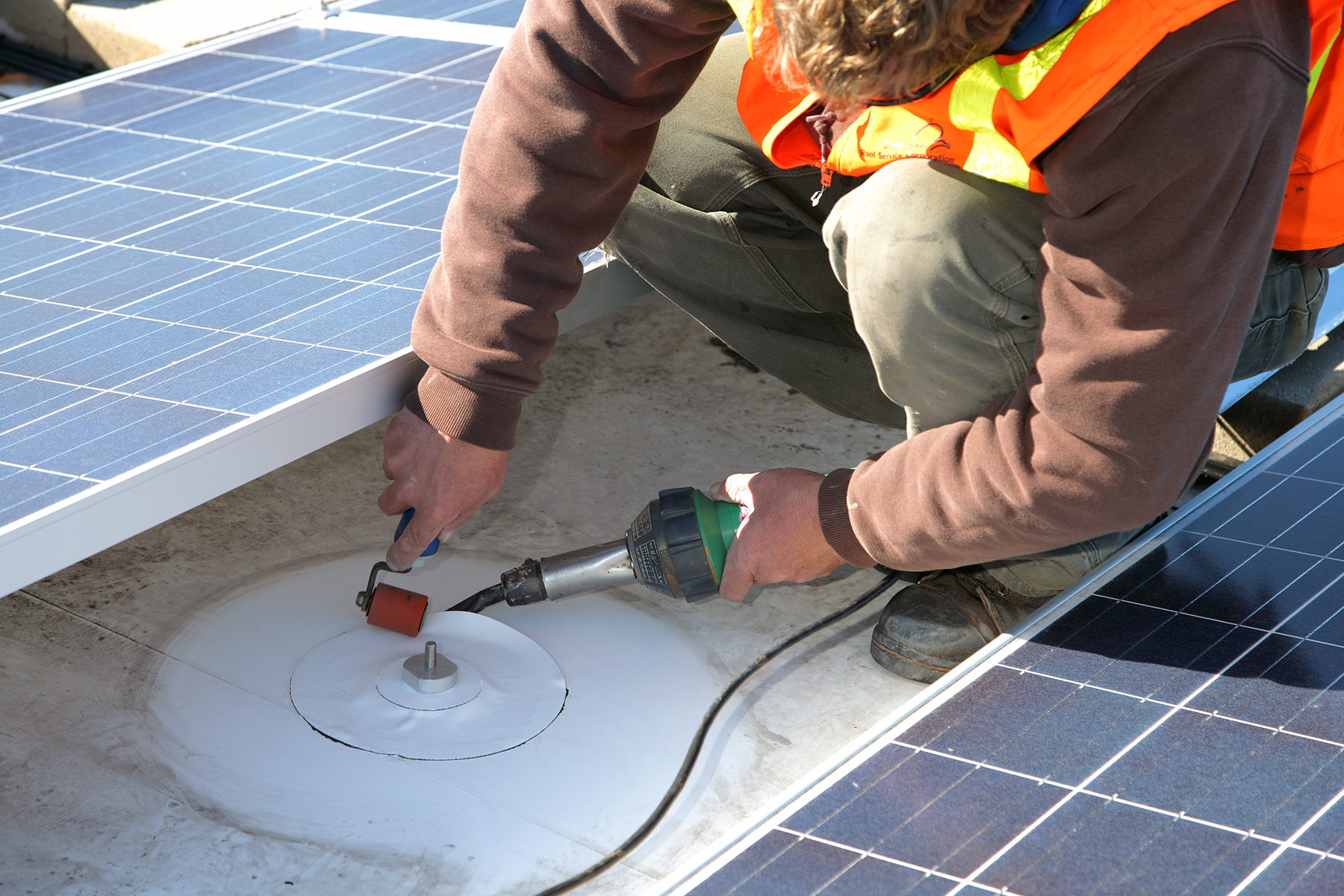
Solar Roof Integration
Solar Roof Integration support covers access, staging, drainage, and roof traffic for Chattanooga commercial buildings.
 Roof Work
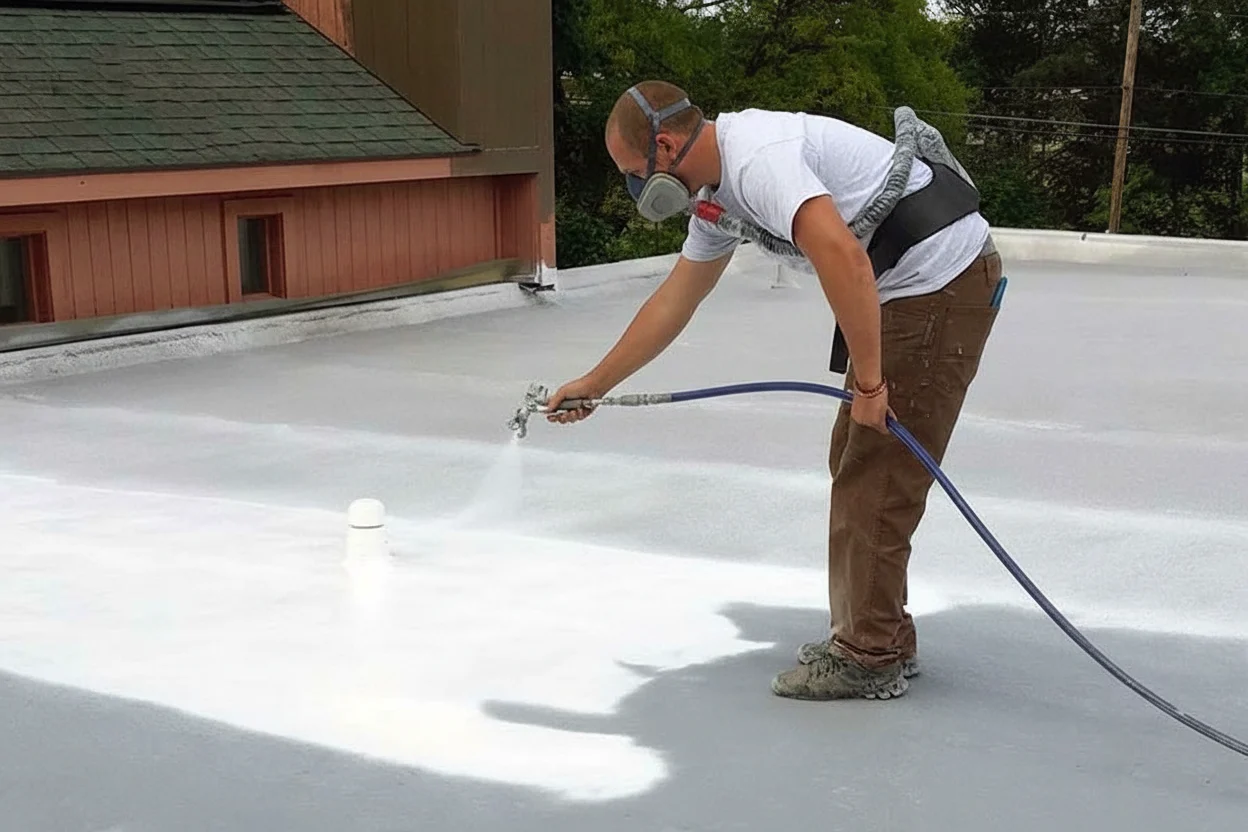
Spray Foam Roofing
Spray Foam Roofing support covers tenant communication, rooftop equipment, and dry-in timing for Chattanooga commercial buildings.
 Roof Work
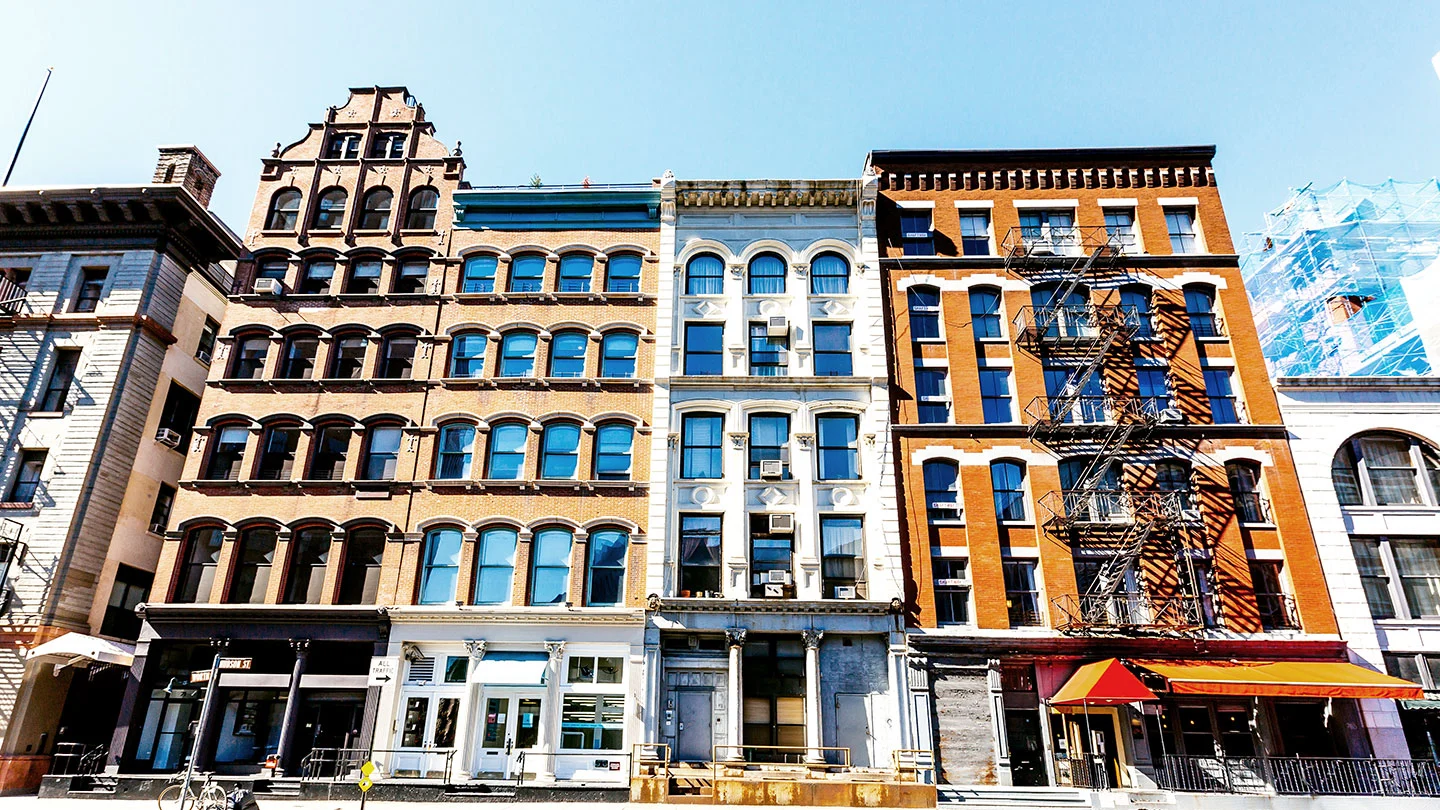
Commercial Roof Inspection
Commercial Roof Inspection support covers moisture review, edge conditions, and practical budget timing for Chattanooga commercial buildings.