
Fitness Center & Gym Roofing in Chattanooga, TN
Fitness Center & Gym Roofing starts with roof evidence before repair, restoration, recover, or replacement decisions are made.
Building
Protect the operation below
A gym is a big, open, hot, humid box with a lot of machinery on the roof, and that combination is what makes it harder to roof than its square footage suggests. Chattanooga has gyms in nearly every commercial pocket, the big-box fitness clubs along Gunbarrel Road and out by Hamilton Place, boutique studios in the Southside and NorthShore districts, the YMCA and university recreation facilities, and the regional and national clubs filling former retail boxes near Eastgate. The membrane on top is only part of the job. Underneath it, hundreds of people exercising plus showers, a lap pool, or a steam room are pushing warm, wet air straight up into the roof assembly all day long.
That interior moisture is the failure mode owners rarely see coming. A perfectly installed membrane on top does nothing about vapor driving up from below, and when the vapor retarder is in the wrong position for our climate, that moisture condenses inside the insulation, soaks the R-value out of it, and shows up as a "leak" that is actually condensation. On any gym with a pool, locker rooms, or steam and sauna areas, we treat vapor control as a first-order design decision, review where the existing retarder sits, and correct it as part of the reroof rather than discovering the problem two winters later.
The Rooftop Looks Like A Mechanical Yard
Walk a fitness-center roof and the first thing you notice is how crowded it is. A wide-open training floor needs high-volume air handling to deal with the CO2 and moisture a packed gym throws off, and on top of that the group-exercise rooms, the locker rooms, and any pool enclosure each carry their own dedicated exhaust and make-up air. The penetration count per thousand square feet runs well above what a retail box or office of the same footprint would have. Every one of those curbs and pipes is a place water can get in, and in a high-humidity building the standard flashing detail is not enough, we detail each penetration for the moisture environment it actually lives in.
Undersized curbs are the recurring defect we find on older gym buildings. When a curb is too short, the new membrane cannot turn up high enough to meet the manufacturer's warranty, so we measure every curb height during the survey and raise or rebuild the short ones as part of the scope rather than leaving a warranty gap on the new roof.
Roofing A Building That Never Closes
Plenty of Chattanooga gyms open at 5 a.m. and a number of them never close at all. There is no quiet maintenance window handed to us, so we build one. We coordinate start times and the loud phases with the club's facilities team, keep noise down near occupied locker rooms, and confirm dry-in in writing at the end of every work day so the manager knows the roof is watertight before the next early-morning crowd arrives. On gyms with a pool, any work touching the pool-hall exhaust gets scheduled with the aquatics staff, because that ventilation keeps the air over the water within Tennessee's bathing-facility air-quality requirements and cannot simply be shut off for our convenience.
Chains And Independents, Same Closeout
The national and regional operators, the clubs you see anchoring shopping centers across Hamilton County, run vendor-approval and facilities-management programs we work inside, including their reporting formats and access rules. Independent studio owners and the real-estate investors who lease these boxes get the same diligence handled more directly. Either way the building ends up with the same closeout: permit and final inspection, manufacturer warranty in the owner's name, a roof zone diagram with the full penetration inventory, the drain and flashing inspection record, and photo documentation, packaged to drop straight into a corporate asset file or a single owner's records.
The Conversion Problem And The Weather On Top
A lot of Chattanooga's gym space did not start life as a gym. As retail shifted online, fitness operators moved into former big-box stores and junior-anchor spaces in the Eastgate area, along the Hamilton Place corridor, and in the older centers off Brainerd Road. That history matters on the roof, because the membrane was originally sized for a half-empty department store, not for the dense occupancy and heavy mechanical loads a gym brings. When an operator drops a full HVAC package and pool ventilation onto a roof that was built for a quieter use, the added curbs, the new structural loads, and the moisture all land on an assembly that was never designed for them. We survey for that mismatch before pricing a reroof on a converted space rather than assuming the existing roof can carry the new use.
The wide, low-slope roof over a training floor also has its own relationship with Tennessee Valley weather. A big flat expanse drains slowly, so humid-summer downpours and the long rain seasons pond water anywhere the slope or the drains fall short, and standing water over a humid interior is a recipe for trouble from both directions. Freeze-thaw swings work the membrane and the many fastener penetrations over the winter, and hail and severe thunderstorms hit a large roof with a lot of surface area to damage. We make sure drains and overflow scuppers are clear and correctly sized for that volume, because on a roof this size a single blocked drain can put real weight of water over an occupied gym floor.
Fitness Center & Gym Roofing Questions
The fix is a correctly positioned vapor retarder inside the assembly, not just a tight membrane on top. We check where the existing retarder sits relative to our climate zone and specify the right assembly for the reroof. Get it wrong and the moisture from the pool and showers condenses in the insulation and destroys the R-value within a few seasons.
For gyms with a pool, steam, or sauna we lean toward a 60-mil TPO or PVC fully adhered system, since an adhered membrane skips the fastener penetration field of mechanical attachment and gives a more vapor-resistant assembly. A dry gym with no pool can usually use 60-mil TPO mechanically attached, which is more economical.
We set the schedule with the club's facilities team before we start. Tear-off and dry-in windows are confirmed in writing daily so the manager has watertight protection before the next opening, and crew start times and noise limits near occupied locker rooms are written into the pre-construction plan.
Yes. Curb flashing is standard scope, and we document every curb size and height before pricing. Undersized curbs, common on older gyms, get raised or rebuilt so the new membrane turns up high enough to satisfy the manufacturer's warranty.
Permit and final inspection certificate, manufacturer warranty registration, a roof zone diagram with the penetration inventory, the drain and flashing inspection record, and photo documentation of the finished details. Chain operators get it formatted to match their corporate facilities system.
- Food Processing Facility Roofing
- Daycare Childcare Roofing
- Distribution Center Roofing
- Multifamily Apartment Roofing
- Religious Facility Roofing
- Commercial Roof Inspection
- Auto Dealership Roofing
- Preventive Roof Maintenance
Planning checkpoints
The building use matters
Condition
Fitness Center & Gym Roofing work starts with the affected roof area, water path, membrane condition, and interior evidence.
Operations
Work windows, tenant protection, loading paths, and safety expectations need to be named early.
Options
Repair, maintenance, coating, recover, and replacement should be compared without blurring the tradeoffs.
Next Step
A concise field record helps ownership decide what needs immediate action and what belongs in planning.
Related roof paths
Keep exploring
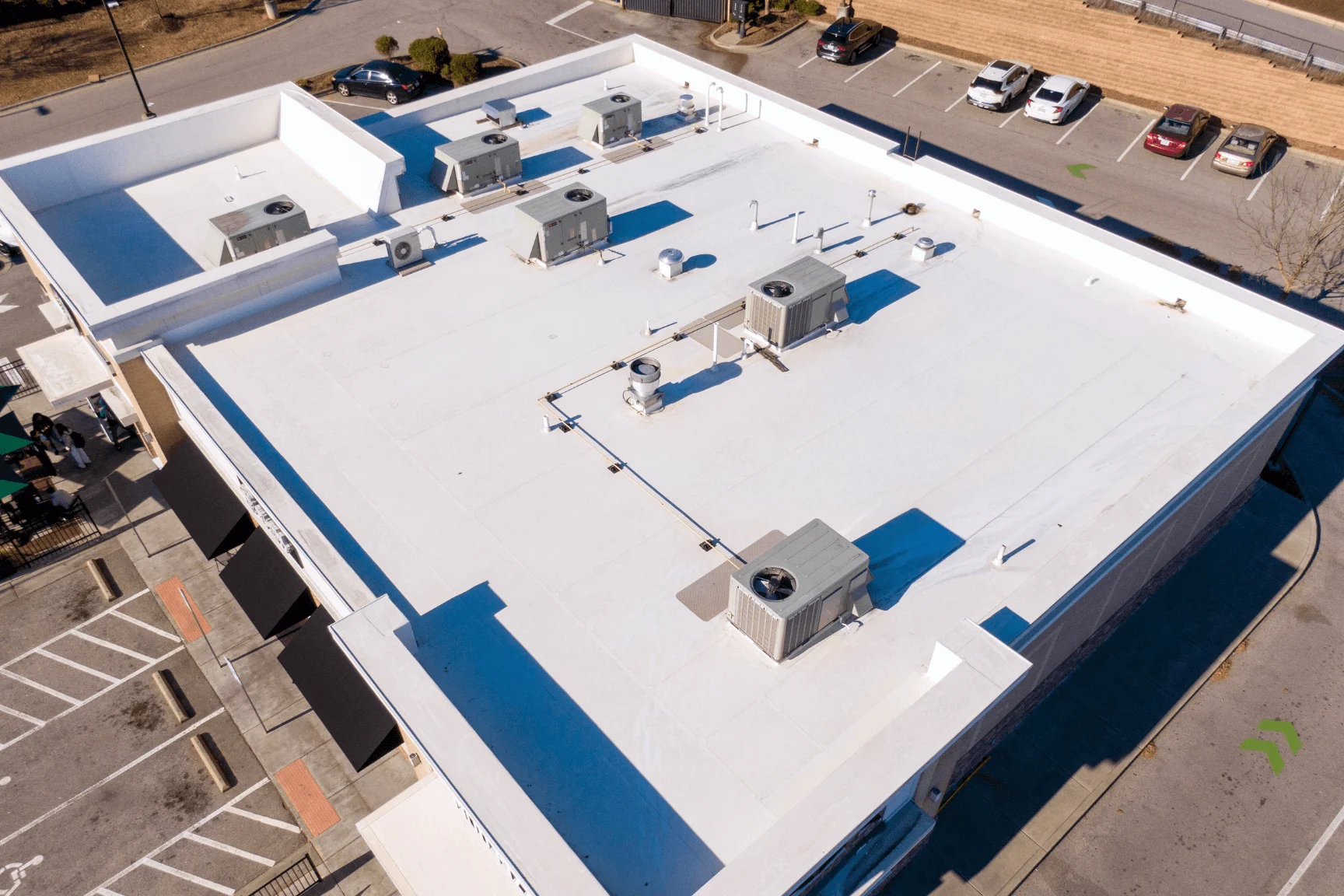 Building
Food Processing Roofing
Food Processing Roofing needs a roof scope that fits the building's schedule, access, equipment, and occupants.
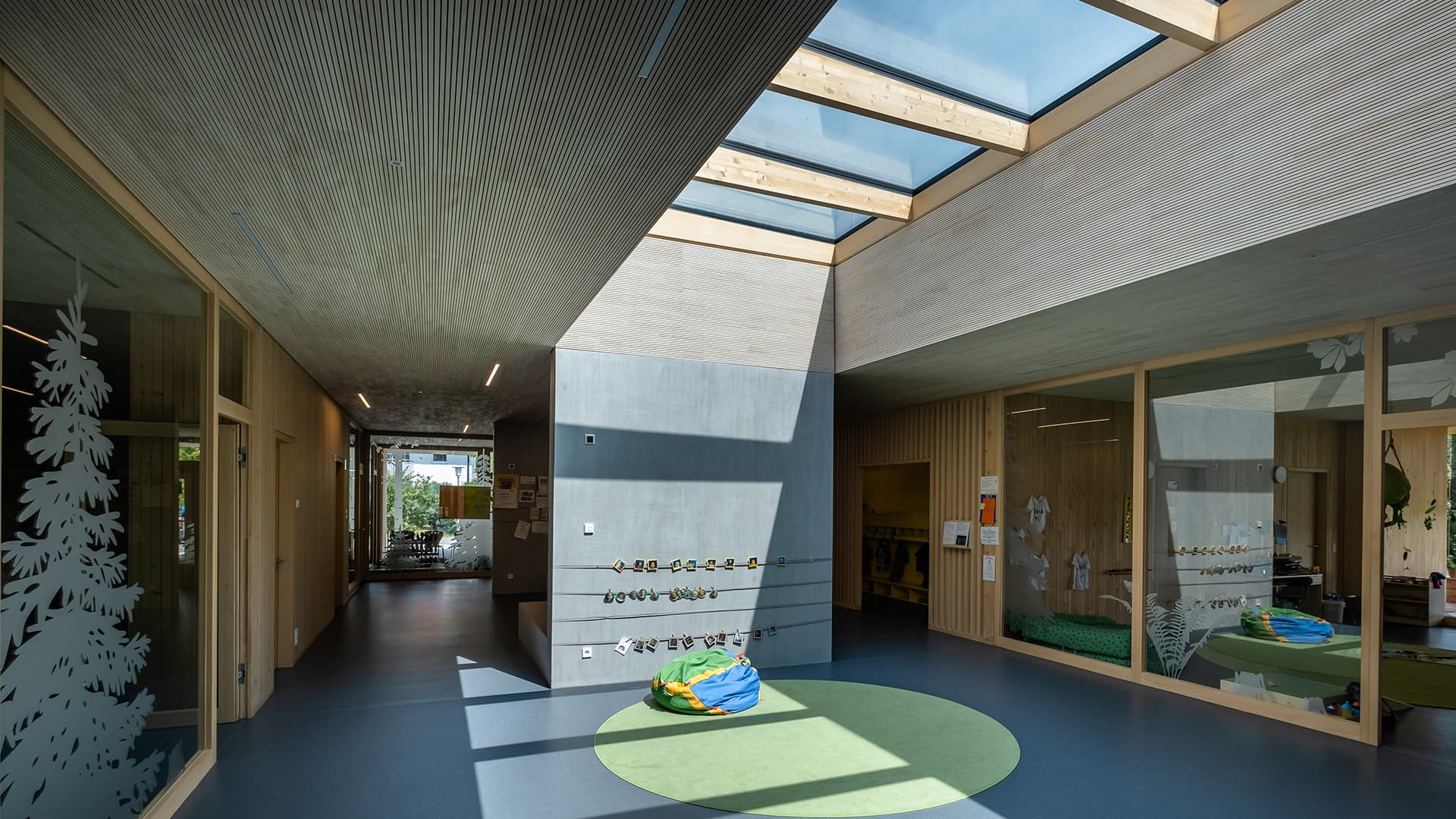 Building
Daycare & Childcare Facility Roofing
Daycare & Childcare Facility Roofing needs a roof scope that fits the building's schedule, access, equipment, and occupants.
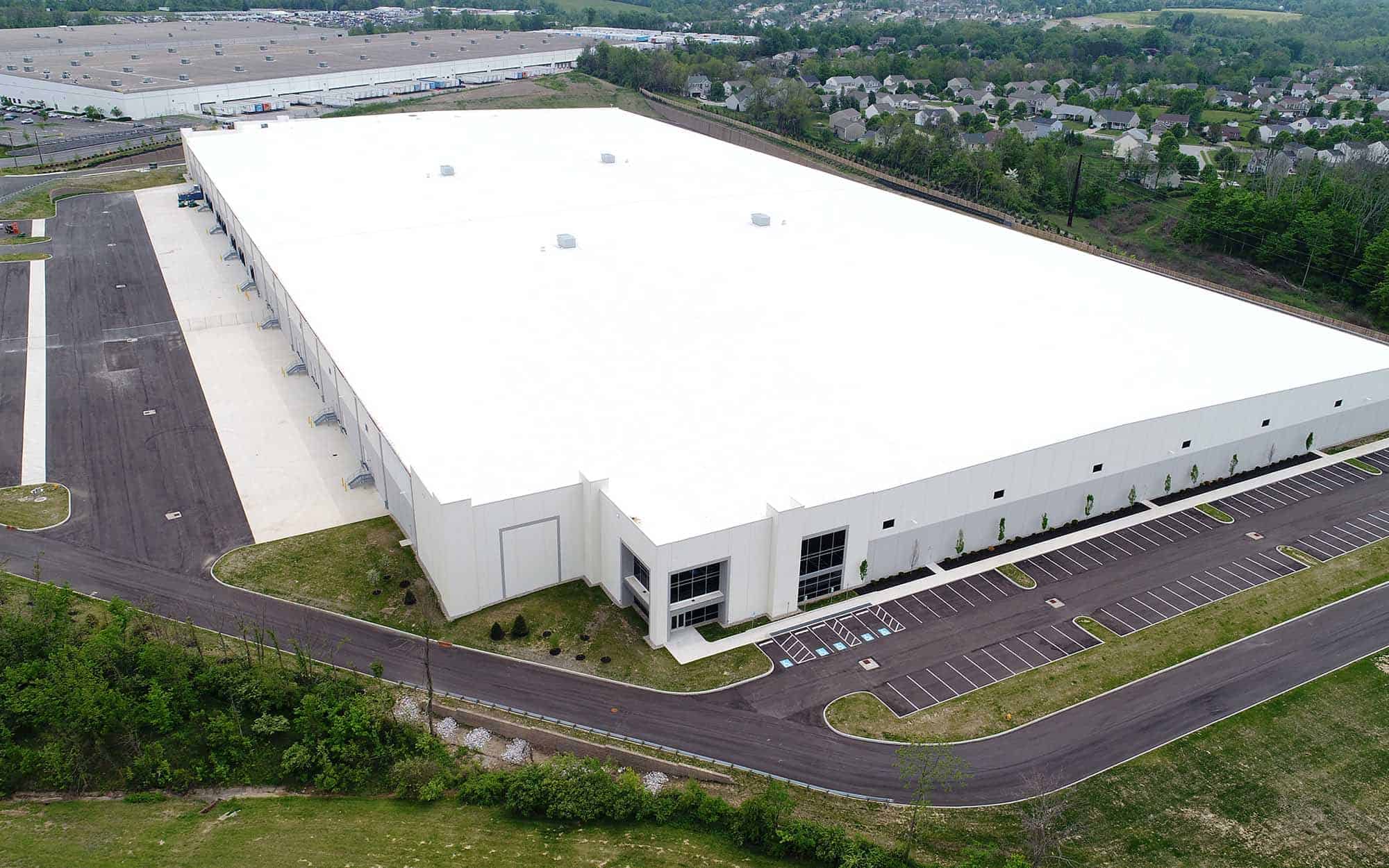 Building
Distribution Center Roofing
Distribution Center Roofing needs a roof scope that fits the building's schedule, access, equipment, and occupants.