
Food Processing Roofing in Chattanooga, TN
Food Processing Roofing starts with roof evidence before repair, restoration, recover, or replacement decisions are made.
Building
Protect the operation below
The roof over a food plant carries two loads at once: the regulatory load of working above a food-safe environment, and the physical load of the refrigeration and washdown systems that make production possible. A leak above a packaging line or a cook room is not a maintenance ticket, it is a potential contamination event that pulls in the quality team, may force a product hold, and generates paperwork for a regulator. Chattanooga has a deep food and beverage manufacturing base, from the snack and cereal heritage downtown to the cold-chain distribution and processing operations clustered along the Bonny Oaks corridor, Volkswagen Drive, and the Enterprise South industrial park near I-75. We plan these projects to eliminate that contamination risk up front rather than respond to it after the fact.
What makes a processing roof distinct is the moisture coming at it from inside the building. Sanitation crews run high-volume washdowns, kettles and cookers throw steam, and the whole interior runs warmer and wetter than a normal commercial space. Pair that with Chattanooga's humid summers and the long stretch of high dew points along the Tennessee River, and the roof assembly sits between two moisture sources. If the assembly is not designed to manage that, condensation forms inside it and corrodes the deck without ever showing a drip at the ceiling.
Materials Have to Clear the Plant's Food-Safety Plan
Not every roofing material is acceptable over a food production area, and that surprises owners who assume a membrane is a membrane. White TPO and PVC single-ply are generally workable above enclosed processing space, but the specific product, the installation method, and just as importantly the adhesives, primers, and sealants all have to be confirmed against the facility's food-safety plan before anything goes down. Plenty of standard roofing adhesives are solvent-based and simply do not belong over a production environment. We identify the plant's regulatory framework, whether it is USDA or FDA driven, and clear every material with the quality team before we specify it.
Refrigeration Loads and Vapor Drive
Freezer rooms, chill rooms, and blast-freezing areas change the roofing problem entirely. The assembly above a refrigerated space has to maintain thermal continuity so the cold chain below does not pull condensation up into the insulation and deck. A tapered insulation system over a freezer has to be designed around the actual operating temperature and the direction the vapor wants to travel for Chattanooga's climate. Get that wrong and you build a roof that corrodes the steel deck from the inside while the surface looks perfectly intact. We design these assemblies around the refrigeration system's specifications, not a generic detail.
Ponding water over a freezer is doubly bad: it loads the structure and it adds thermal stress to the refrigeration system underneath. We tape the insulation to drive water to perimeter scuppers or interior drains at the low point of each bay, and we confirm the drainage layout actually matches what the refrigeration design assumed for the roof above it. On washdown-heavy plants we also make sure the roof drains can handle the interior humidity load that finds its way out through relief and exhaust.
Sanitary Detailing and Pest Exclusion
The details that work fine on a warehouse can become problems on a food plant. Open joints, unsealed terminations, and gaps around penetrations are entry points for pests and harbor points for soil, and both are findings a food-safety auditor writes up. We detail penetrations and edge terminations to close those gaps, specify smooth and cleanable conditions where roof elements meet equipment curbs, and keep the assembly tight against the kind of intrusion a plant has to actively exclude. On the roof itself we also keep crews to a clean-practices standard, because debris left on a roof above food production is not an acceptable condition even temporarily.
Rooftop Refrigeration and Process Loads
Food plants carry serious weight on the roof: condensing units and evaporative equipment for the refrigeration system, large makeup-air and exhaust units serving the production floor, and sometimes process equipment that was added long after the building went up. All of it concentrates load on a deck that may be decades old, and all of it penetrates the membrane around heavy curbs that vibrate and leak grease and condensate. Before we add any insulation thickness or a new membrane system, we confirm the deck can carry what is already up there plus anything the plant plans to add. We also flash refrigeration-line penetrations and condensate routing with details built for continuous moisture, because those are reliable leak sources when they are treated like ordinary pipe boots.
Scheduling Around Production and Sanitation
Most Chattanooga processing plants run two or three shifts with a single weekly sanitation window as the only time the floor is truly down. Any work that opens the envelope above an active line has to live inside that window, and it only begins after the production team and the quality manager confirm the floor below is clean and protected. We build the phasing around the plant's schedule rather than asking the plant to bend to ours, and we keep the refrigeration maintenance team in the loop on anything near coils or condensing units that could touch the cold chain.
Roof condition is also a standard line item in USDA and FDA facility inspections. Inspectors look for evidence of leaks, condensation, and deterioration that could let moisture in above production. We provide condition documentation and repair records a quality manager can hand an inspector to show the roof is being maintained proactively. And because a leak over an active line cannot wait, our emergency protocol for food plants includes a 24-hour contact, priority mobilization for temporary dry-in, and the documentation support a plant needs for its own incident reporting. If you run a processing or cold-chain facility in the Chattanooga area, we will walk the roof, review it against your food-safety requirements, and put a phased, fixed-price scope together that keeps production protected.
Planning checkpoints
The building use matters
Condition
Food Processing Roofing work starts with the affected roof area, water path, membrane condition, and interior evidence.
Operations
Work windows, tenant protection, loading paths, and safety expectations need to be named early.
Options
Repair, maintenance, coating, recover, and replacement should be compared without blurring the tradeoffs.
Next Step
A concise field record helps ownership decide what needs immediate action and what belongs in planning.
Related roof paths
Keep exploring
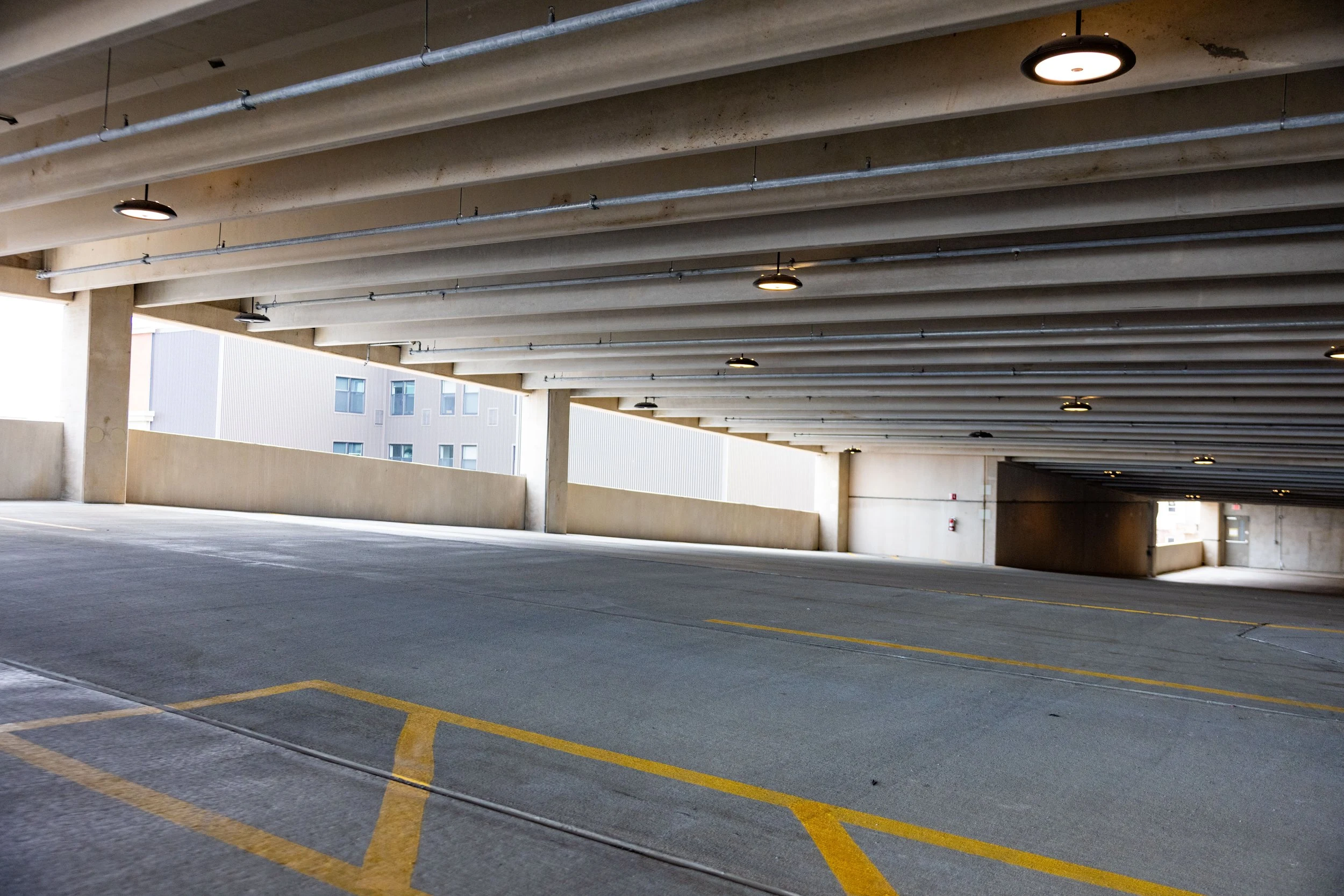 Building
Parking Structure & Deck Waterproofing
Parking Structure & Deck Waterproofing needs a roof scope that fits the building's schedule, access, equipment, and occupants.
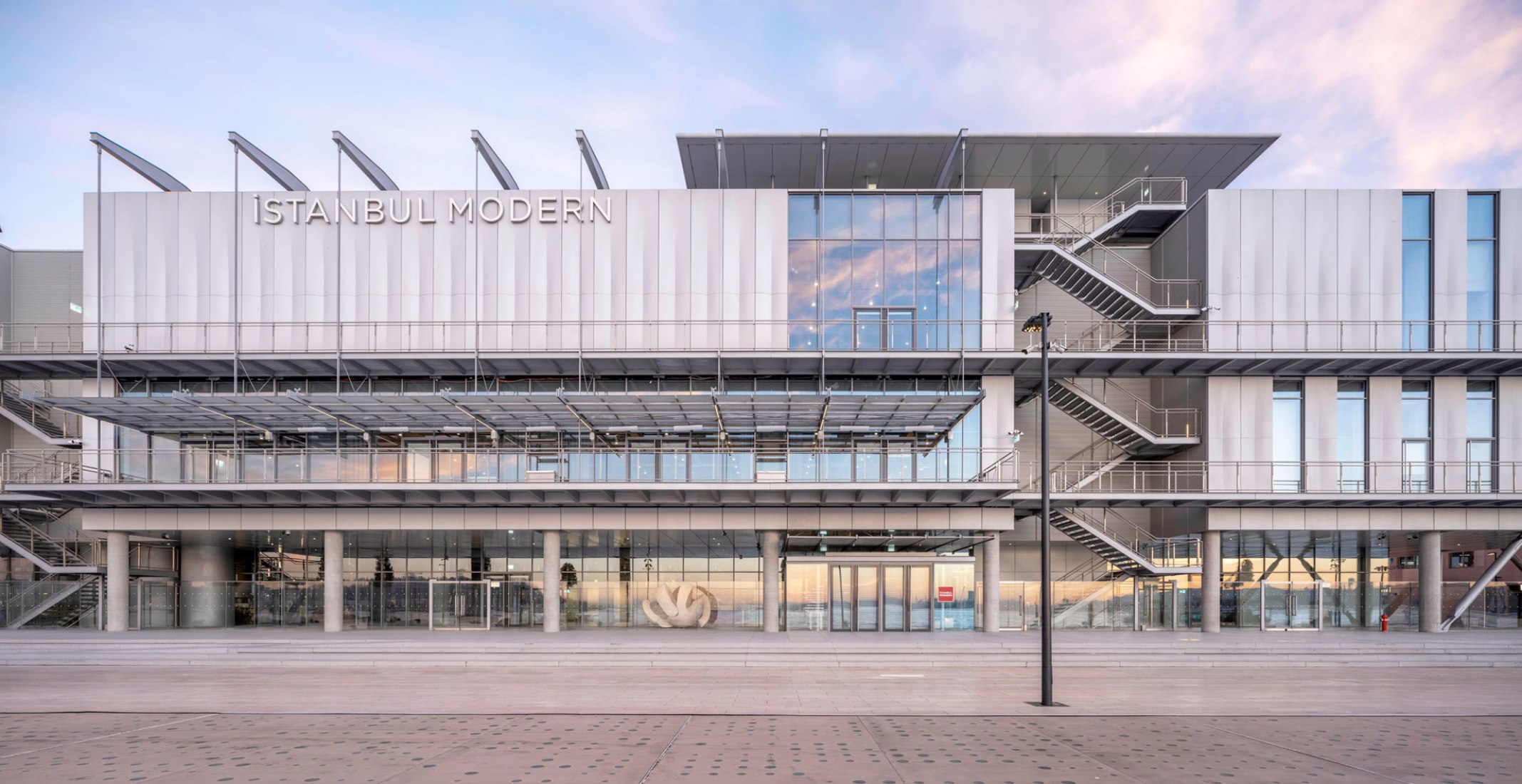 Building
Museum & Cultural Facility Roofing
Museum & Cultural Facility Roofing needs a roof scope that fits the building's schedule, access, equipment, and occupants.
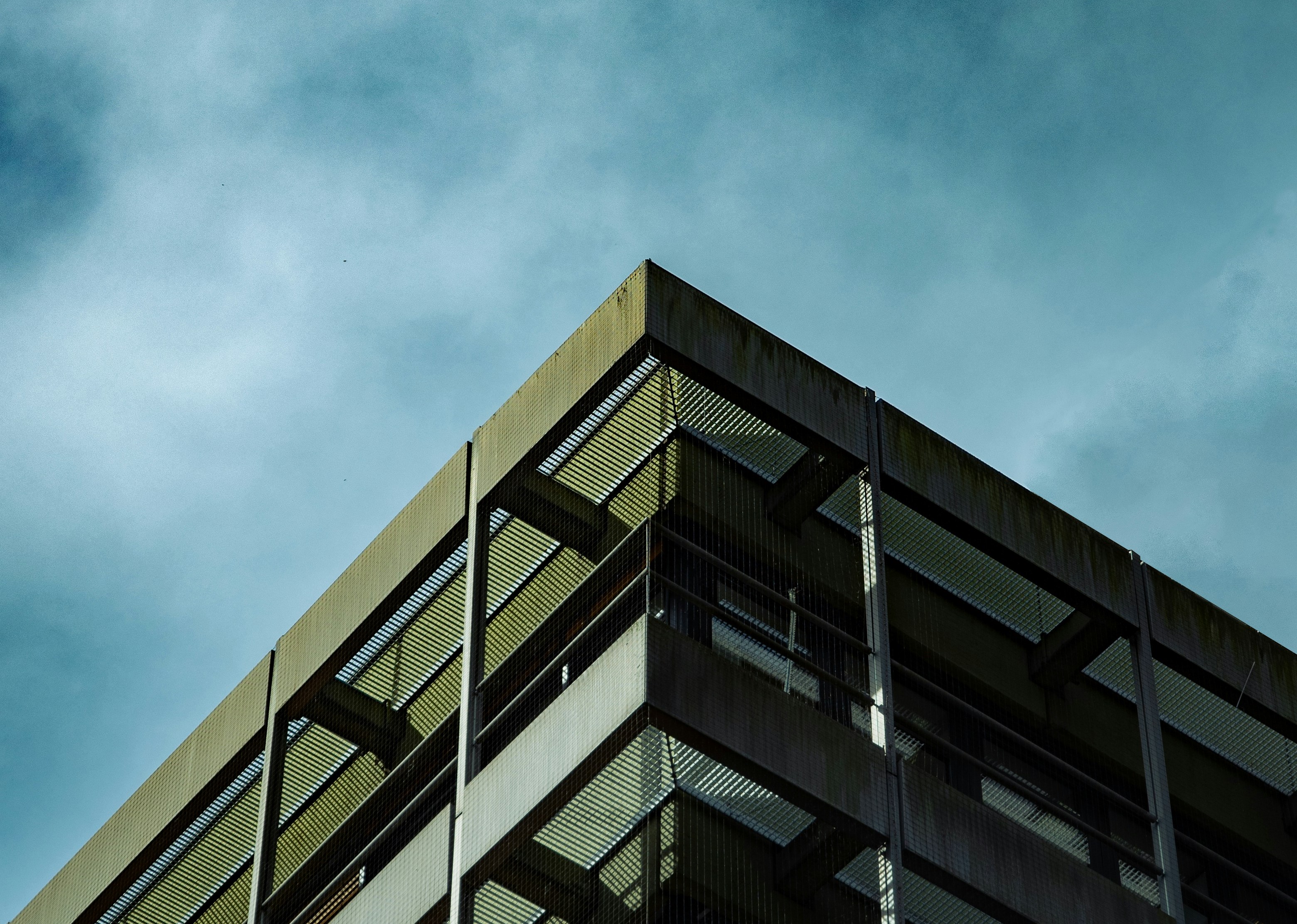 Building
Medical Office Building Roofing
Medical Office Building Roofing needs a roof scope that fits the building's schedule, access, equipment, and occupants.