
Car Wash Roofing in Chattanooga, TN
Car Wash Roofing starts with roof evidence before repair, restoration, recover, or replacement decisions are made.
Building
Protect the operation below
Car Wash Roofing Built for the Chattanooga Wash Environment
A car wash is one of the few commercial buildings where the roof is attacked from below before it ever weathers from above. Heated water, foaming detergent, tire dressing, rust inhibitor, and spray wax all turn to vapor inside an enclosed tunnel, rise to the deck, and condense on the underside of the membrane, the insulation, the fasteners, and the structural steel. We build car wash roofs in Chattanooga around that reality instead of treating these buildings like any other low-slope retail box. The express tunnels along Brainerd Road, the high-traffic sites near Hamilton Place and the Gunbarrel Road retail belt, and the in-bay and self-serve operations scattered through Hixson and East Brainerd all share the same underlying problem: warm, chemically loaded moisture looking for a cold surface to attack.
Chattanooga sits in a humid subtropical band where summer dew points stay high for months, and the Tennessee River corridor keeps ambient humidity elevated well into the shoulder seasons. When that outdoor moisture combines with the interior vapor a wash generates, the dew point inside the roof assembly shifts in ways that surprise owners who have only ever owned dry retail buildings. A roof that would last twenty years over a clothing store can corrode its fasteners and saturate its insulation in a fraction of that time over an active tunnel if the assembly is not designed for the load.
Why Standard Commercial Membranes Fall Short Here
Most single-ply membrane warranties carry an explicit exclusion for chemical exposure, and a car wash tunnel is exactly the exposure those exclusions are written to avoid. Detergents used in commercial wash programs are typically alkaline, and over time alkaline mist degrades the plasticizers and surface chemistry of membranes that were never formulated to resist it. The wax and tire-shine compounds are worse in some ways because they leave an oily film that holds chemical residue against the membrane and edge metal instead of letting it rinse away.
Before we recommend a system, we want to know what is actually running through the chemical room at the site. The product mix drives the specification, not the other way around. For the tunnel bay itself we lean toward PVC, which holds up to alkaline detergents and oils far better than the standard TPO or EPDM you would put on a dry building. A fully adhered installation matters here too, because it removes the membrane flutter and the open fastener field that an enclosed, pressurized tunnel works against day after day.
The Tunnel Bay Is the Highest-Risk Zone
The stretch of roof directly above the active wash equipment takes everything at once: steam, chemical particulate, and the thermal swing from heated water cycling on and off. That combination fatigues membranes and flashings faster than anything else on the property. We treat the tunnel bay as its own design problem, with a vapor-aware assembly underneath the membrane so that condensation has somewhere to go other than into the deck. Skipping that step is how owners end up with a roof that looks fine from the parking lot while the steel underneath quietly rusts.
Vacuum Canopies and Customer Canopies
The vacuum islands and customer canopies on the exit side are a different animal. They are usually metal or EPDM-clad and exposed to vehicle exhaust, overspray from tire dressing, and constant outdoor thermal cycling. The connection where a canopy meets the main building, and the canopy's own drainage tie-in, are the spots we see fail most often on Chattanooga express sites. We re-flash those transitions, confirm the gutters and downspouts actually carry water away from the building, and treat the canopies as part of the roofing scope rather than an afterthought.
Reclaim Tanks, Boilers, and Rooftop Equipment
Behind the wash, the mechanical that makes it run adds its own roofing demands. Water-reclaim and treatment systems, boilers or on-demand water heaters for the heated wash, and the air compressors that drive dryers and applicators all vent heat and moisture and often sit on or vent through the roof. Those penetrations carry warm, humid, sometimes chemically tinged air, and they need flashings built for that exposure rather than a generic boot. We map this equipment during the inspection so the membrane plan accounts for every heat and moisture source, not just the obvious tunnel exhaust.
Restoration Versus Replacement on a Sound Deck
Not every aging wash roof needs a full tear-off. If the membrane is weathered but the deck and insulation underneath are still sound, a fluid-applied restoration coating can buy years of additional service and renew watertightness at a fraction of replacement cost, provided the existing system is compatible and the chemical exposure is understood. The catch on a car wash is always the chemistry: a coating has to tolerate the same alkaline mist and oily residue the membrane does. We core and test before recommending a coating so we are not putting a restoration over a deck that is already wet, and we are candid when a roof is too far gone to restore and a replacement is the honest answer. Either way you get a recommendation matched to the actual condition of your building.
Drainage, Penetrations, and the Equipment Room
In-bay automatics and self-serve bays generate less airborne chemistry than a full tunnel, but they bring their own headache: drainage. We frequently find ponding over the equipment bays where the original design never sloped water toward a drain. Standing water on a car wash roof is not just a membrane problem, it is added load and a constant source of the moisture these buildings already have too much of. Every car wash inspection we do includes a hard look at how the roof actually sheds water.
The exhaust fans that pull steam and vapor out of the tunnel punch through the roof at the worst possible spots. Those penetrations need oversized curbs and flashings built for continuous airflow and chemical contact, not the generic curb detail you would use for a comfort-cooling rooftop unit. We evaluate each penetration on its own, match the detail to the equipment and the conditions it lives in, and document it so the next person who walks the roof knows what they are looking at. The equipment room and customer lobby sections, which see far less chemical exposure, can run a more conventional membrane and attachment, which keeps the budget sensible without compromising the high-risk areas.
Most Chattanooga washes run seven days a week through the busy seasons, so we plan the work around the gate rather than asking an owner to give up revenue days. Tunnel roof work usually fits into the early-morning or late-evening close window. Exterior building and canopy work can move forward during operating hours with traffic control that keeps vehicles clear of the crew. We confirm a watertight dry-in before each day ends so a surprise afternoon storm never reaches the equipment below. If you own or manage a wash here and want a straight read on what your roof needs and how to phase it, we will walk it, sample it where needed, and put a fixed-price scope in front of you.
Planning checkpoints
The building use matters
Condition
Car Wash Roofing work starts with the affected roof area, water path, membrane condition, and interior evidence.
Operations
Work windows, tenant protection, loading paths, and safety expectations need to be named early.
Options
Repair, maintenance, coating, recover, and replacement should be compared without blurring the tradeoffs.
Next Step
A concise field record helps ownership decide what needs immediate action and what belongs in planning.
Related roof paths
Keep exploring
 Building
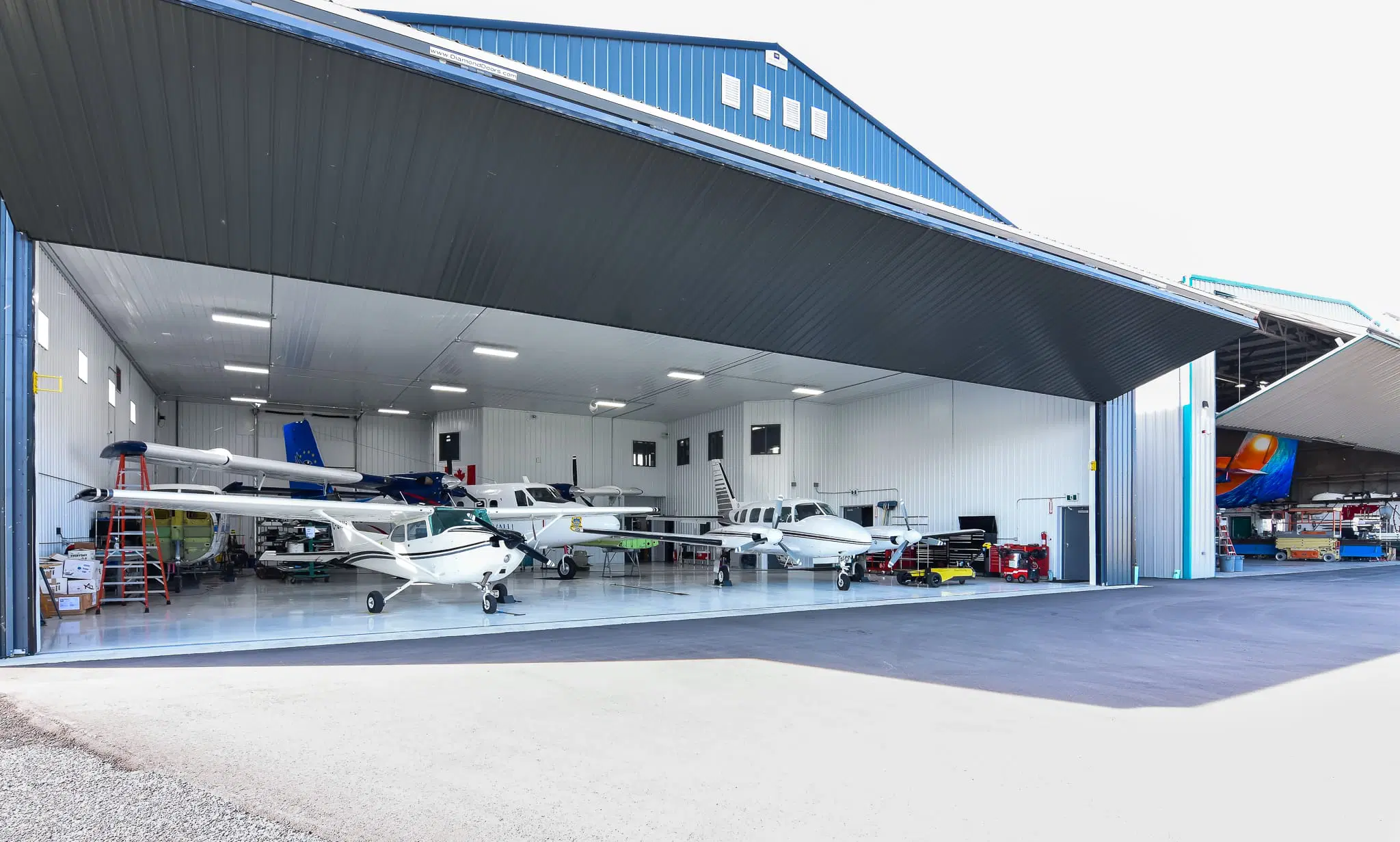
Airport Terminal & Aviation Facility Roofing
Airport Terminal & Aviation Facility Roofing needs a roof scope that fits the building's schedule, access, equipment, and occupants.
 Building
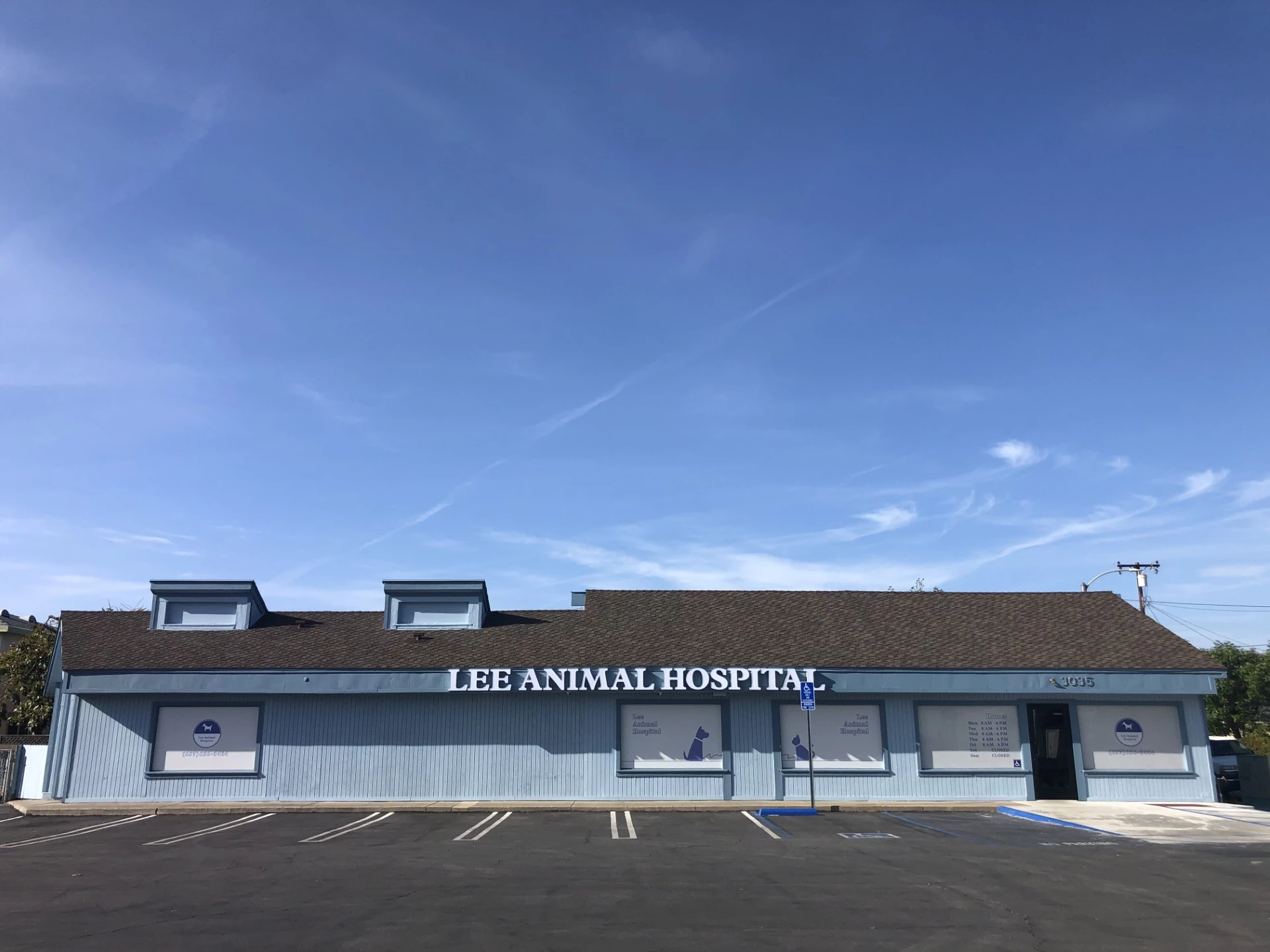
Veterinary Clinic & Animal Hospital Roofing
Veterinary Clinic & Animal Hospital Roofing needs a roof scope that fits the building's schedule, access, equipment, and occupants.
 Building
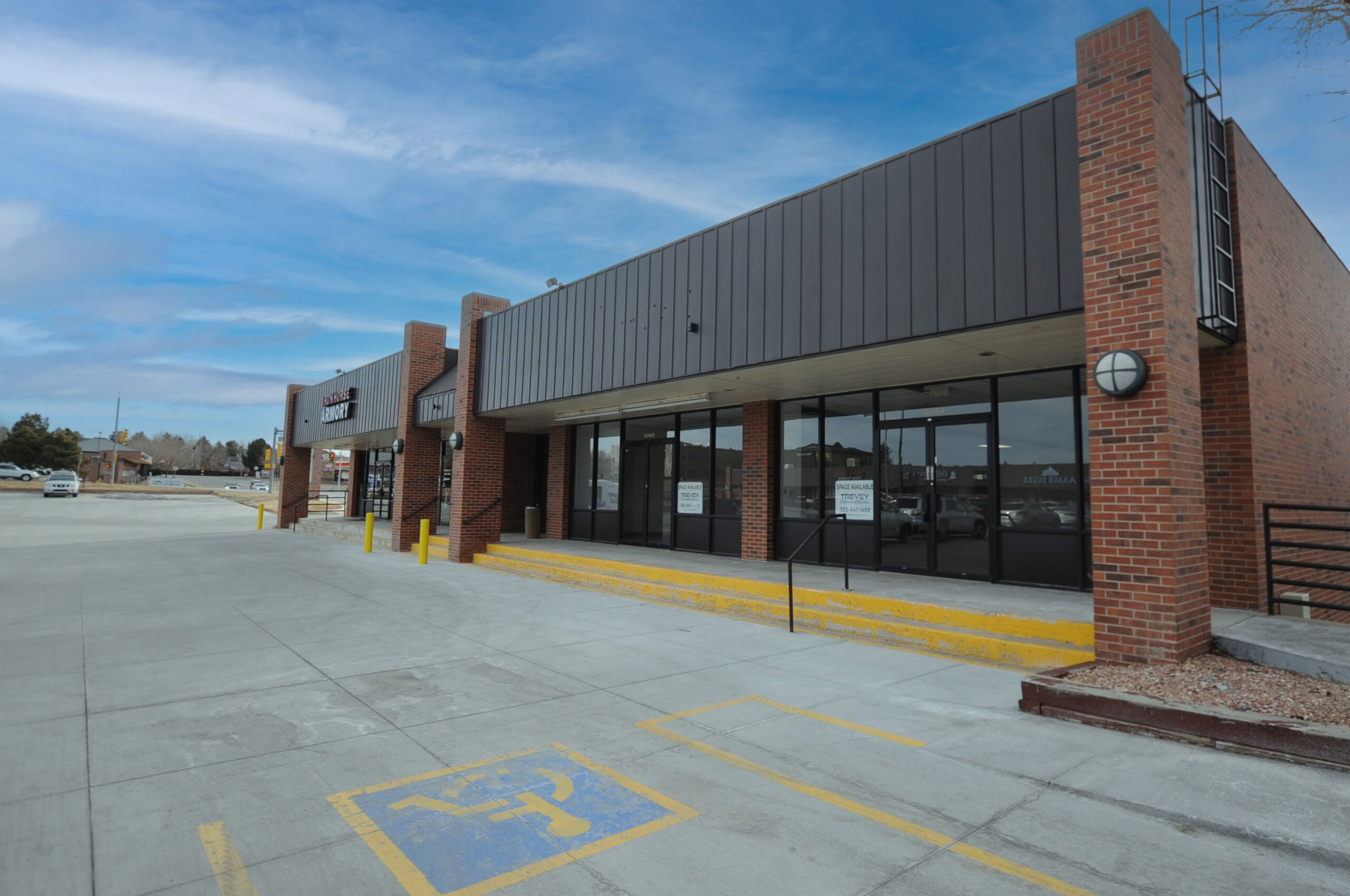
Big-Box Retail Roofing
Big-Box Retail Roofing needs a roof scope that fits the building's schedule, access, equipment, and occupants.