
Bank & Financial Building Roofing in Chattanooga, TN
Bank & Financial Building Roofing starts with roof evidence before repair, restoration, recover, or replacement decisions are made.
Building
Protect the operation below
Bank roofs are small, but they are unforgiving. A retail branch out on Gunbarrel Road or in the East Brainerd shopping corridor might only have a few thousand square feet of low-slope membrane, yet that little roof sits over a vault, a server room, and a lobby full of customers, and a drip in the wrong spot shuts the branch down for the day. Downtown is a different problem entirely, the corporate banking offices and headquarters buildings around Broad Street and the financial blocks near the city center are taller, busier, and watched by security around the clock. We have scoped both ends of that range across Chattanooga, and the through-line is the same: the roof area is modest, the consequences of getting it wrong are not.
Because these buildings run on a strict Monday-through-Saturday schedule with sensitive operations directly below, the planning leans heavily toward protection and timing rather than raw production. We concentrate the disruptive work into off-hours and weekends, keep noise down over customer-service areas during business hours, and confirm the open work is dried in before the doors open each morning. A branch cannot afford to find out at 9 a.m. that an overnight thunderstorm reached the teller line through a section we left open.
The Drive-Through Canopy Is Where Banks Leak
For all the talk about the main roof, the leak we find most often on a retail branch is at the drive-through canopy. The detail where the canopy roof ties into the building wall takes constant thermal cycling, overspray and weather off the lanes, and differential settlement as the canopy and the building move independently, and a standard field-flashing detail was never built to survive that joint long-term. We treat the canopy-to-wall transition as its own line item, evaluate it separately from the field membrane, and re-flash it for the movement it actually sees. Replacing the main membrane while ignoring that joint just leaves the real leak in place.
The rest of the roof carries more penetrations than the footprint hints at. ATM kiosk enclosures, a generator or transfer-switch room venting through the roof, and the precision cooling units that keep a branch's server room alive each create their own flashing requirements. The server-room units in particular run year-round and condense water that has to drain somewhere, so their curbs and condensate lines get specific attention rather than a generic boot.
Security Drives The Schedule More Than The Roof Does
At a financial building, access is the constraint that shapes the whole job. Contractor badging, escort requirements for any roof zone near the vault, and camera documentation of crew activity are routine on bank-owned property here, and they take time to arrange. We build the credentialing and security-coordination timeline into the bid up front so it is part of the schedule, not a surprise that slows the project down after the contract is signed. Where vault rooms sit below a work area, we identify them from the drawings, sequence those zones into approved windows, and confirm with the security team that vibration or temporary access changes will not affect active operations.
Portfolio Accounts And Community Banks
A lot of Chattanooga's branches belong to institutions that own a string of locations and manage them through a corporate real estate department or a national facilities program, with preferred-vendor registration and standardized documentation. We work inside those programs for portfolio accounts, and we work directly with the community banks and credit unions that manage a single building themselves. Both get the same deliverables: insurance and license verification before mobilization, a pre-construction safety plan, daily work and dry-in reports, the manufacturer warranty registered in the owner's name, and a final permit and inspection package, with one point of contact for the facilities team on a multi-site program.
Small Roofs, High Visibility, Real Weather
A branch on a busy corner is one of the most visible roofs a business owns, even though hardly anyone looks up at it. The parapet caps, the coping joints, and the edge metal frame the building from the street and the drive lane, and on a small footprint a failure at the edge is the whole roof's failure, there is no large field to hide it in. We keep those perimeter details tight, because on a high-visibility branch a lifted coping or a streak of rust down the fascia reads as neglect to the customers pulling in, fair or not.
Then there is the weather these little roofs actually take in the Tennessee Valley. Humid summer heat bakes the membrane, severe thunderstorms drive rain sideways against the parapet and the canopy joint, hail dents the metal and bruises the field, and the freeze-thaw swings of a Chattanooga winter work the seams and the fasteners loose over time. On a small flat roof those forces concentrate, and the overflow scuppers and drains have to be clear and correctly sized so a single hard storm does not back water up over a sensitive building. After a major storm we check the perimeter metal, the seams, the rooftop-unit fins, and the drainage paths against any interior evidence, so the branch can tell a cosmetic hail mark apart from a defect that actually threatens the operations below.
Bank & Financial Building Roofing Questions
We push the disruptive tear-off and installation into off-hours and weekends and confirm dry-in before the branch opens each morning. Work windows, noise limits during customer-service hours, and any security escort requirements for roof access get coordinated with the branch manager and corporate facilities team before we start.
We treat it as its own flashing item, not part of the field membrane. The canopy-to-wall joint is evaluated separately and, if it has deteriorated, re-flashed with a detail built for the differential movement it experiences. This is the most common chronic leak on a branch and replacing the main membrane alone never fixes it.
Usually insurance certificates and license verification before mobilization, a pre-construction safety plan, daily work and dry-in reports, manufacturer warranty registration in the owner's name, and a final permit and inspection package. We provide that standard package and work within each institution's vendor-management process for approved-contractor registration.
Yes. We locate vault rooms from the drawings before mobilizing, sequence work over those zones into approved windows, and confirm with the security team that vibration or temporary access changes will not affect active vault operations. With that pre-coordination it is routine.
Yes. Portfolio programs, a regional bank with a couple dozen branches or a national institution with sites across the state, are a regular part of our work. We deliver standardized scoping, documentation, and pricing across the portfolio with a single project-management contact for the corporate facilities team.
- Sports Recreation Facility Roofing
- Brewery Distillery Roofing
- Manufacturing Plant Roofing
- Hotel Hospitality Roofing
- Grocery Store Roofing
- Preventive Maintenance Programs
- Self Storage Roofing
- TPO Single Ply Roofing
Planning checkpoints
The building use matters
Condition
Bank & Financial Building Roofing work starts with the affected roof area, water path, membrane condition, and interior evidence.
Operations
Work windows, tenant protection, loading paths, and safety expectations need to be named early.
Options
Repair, maintenance, coating, recover, and replacement should be compared without blurring the tradeoffs.
Next Step
A concise field record helps ownership decide what needs immediate action and what belongs in planning.
Related roof paths
Keep exploring
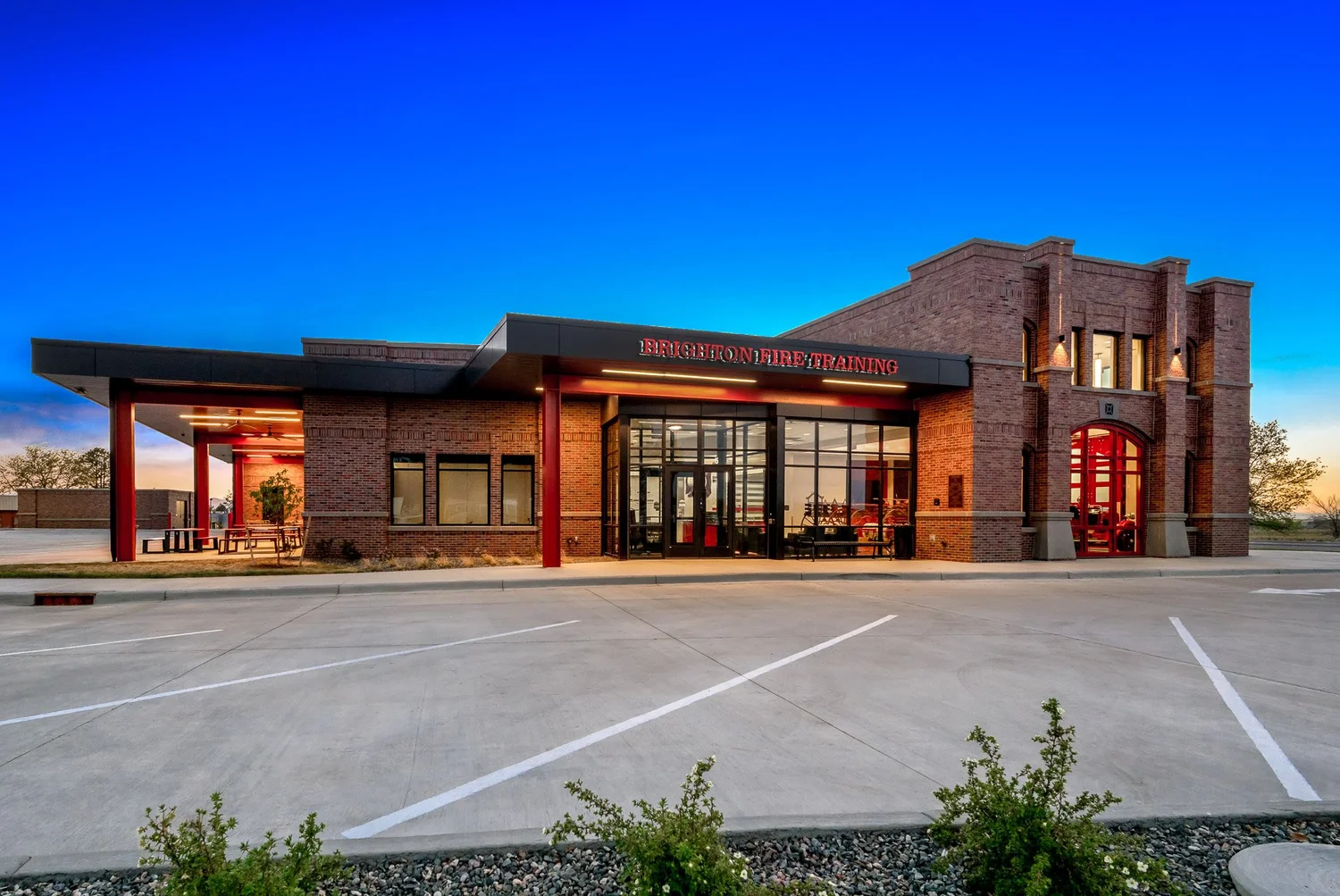 Building
Sports & Recreation Facility Roofing
Sports & Recreation Facility Roofing needs a roof scope that fits the building's schedule, access, equipment, and occupants.
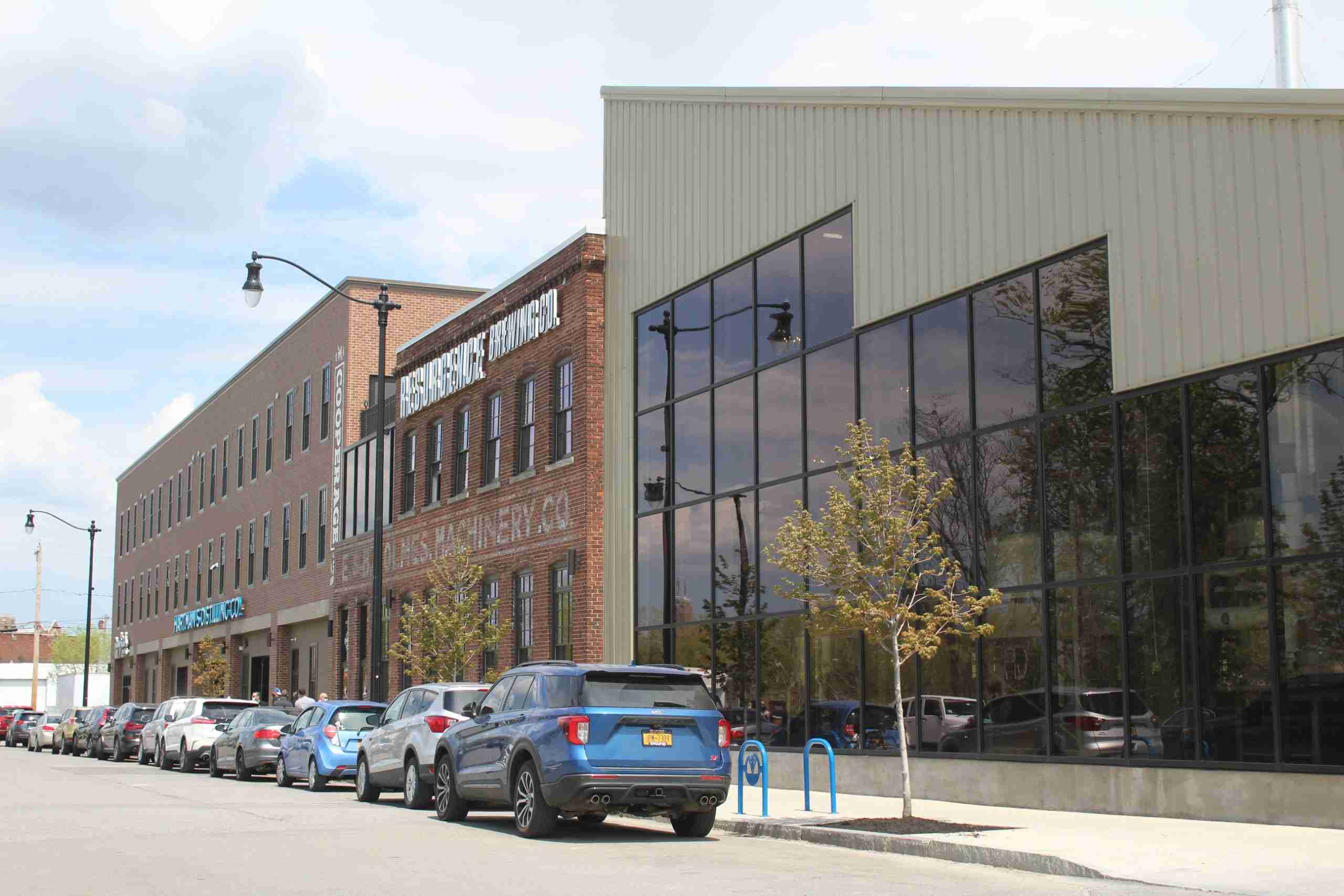 Building
Brewery, Distillery & Food Production Roofing
Brewery, Distillery & Food Production Roofing needs a roof scope that fits the building's schedule, access, equipment, and occupants.
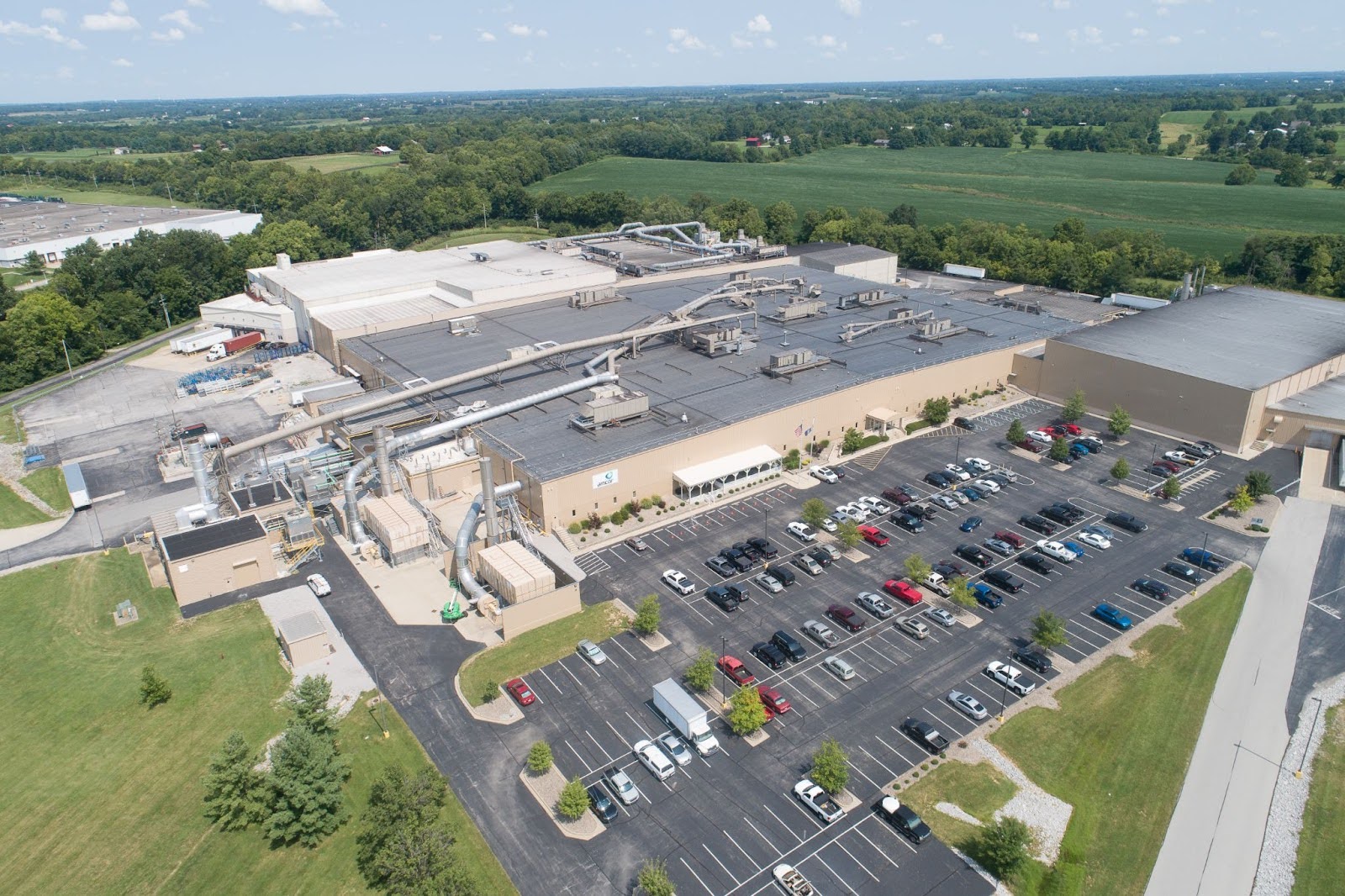 Building
Manufacturing Plant Roofing
Manufacturing Plant Roofing needs a roof scope that fits the building's schedule, access, equipment, and occupants.