
Sports & Recreation Facility Roofing in Chattanooga, TN
Sports & Recreation Facility Roofing starts with roof evidence before repair, restoration, recover, or replacement decisions are made.
Building
Protect the operation below
Two things define a sports and recreation roof: the roof is enormous and unsupported in the middle, and the building below it is full of moisture and people at the exact hours most contractors want to be home. Chattanooga has the full spread of this building type, city recreation centers, the area's YMCAs, university and high-school gymnasiums, the aquatic centers, and the indoor sports and arena buildings that host tournaments and events. A gym floor or an ice sheet or a pool hall needs a long clear span overhead with no columns in the way, and that span behaves very differently from the small, heavily framed roof on a typical commercial building.
The clear span is the structural half of the problem. A roof reaching 60, 80, or more feet between supports deflects under wind and snow load and demands a fastening pattern engineered to that span and that deck, the same long-span concern you see on a movie-theater roof, except a recreation building adds heat and humidity from the activity below. The athletic occupancy, the showers, and especially any pool throw warm wet air up into the assembly, and if the vapor retarder is in the wrong place for our humid valley climate, that moisture condenses inside the roof and rots the insulation from within. We set the vapor control layer to the building's real operating conditions and local climate data rather than copying a spec written for somewhere drier.
Natatoriums Are The Hardest Roof In The Category
An indoor pool is the most aggressive environment we roof. Chlorine reacting with what swimmers bring into the water produces chloramine gas, and chloramine is corrosive, it eats standard steel and aluminum flashing, attacks some edge metal, and degrades certain membrane adhesives over time. A pool-hall roof that was detailed like an ordinary low-slope roof will start failing at the metal and the seams years before the field membrane is worn out. For natatoriums we specify stainless or copper flashing in the chloramine-exposed areas, confirm membrane and adhesive compatibility against the manufacturer's chemical-resistance data, and make sure the ventilation pushes that air out of the building rather than recirculating it under the roof deck where it concentrates.
Even on the dry recreation buildings, a basketball fieldhouse, an indoor turf facility, the moisture from a packed crowd and the locker rooms is enough that we run a moisture survey before finalizing any scope. Recovering over a wet or misspecified assembly does not solve the condensation problem; it seals it in.
Scheduling Around Leagues, Meets, And Events
These buildings live on evenings, weekends, and holidays. Youth leagues, swim meets, tournaments, and open-gym hours fill exactly the windows a contractor would normally use, so we plan around the facility's programming calendar instead of fighting it. Gym and arena roof work concentrates in weekday daytime hours with dry-in confirmed before evening programming starts, and on aquatic buildings any work touching the pool-hall exhaust or HVAC penetrations is coordinated with the pool operations staff, because cutting the air exchange over an occupied natatorium even briefly is not acceptable.
A large share of recreation facilities here are publicly owned, city recreation centers, county and school gymnasiums, park-district buildings, and that changes how the work gets contracted. Public bid advertising, bid bonds, performance and payment bonds, and prevailing-wage compliance where it applies all factor into the timeline, and we carry the bonding and insurance to bid that work. Private clubs, the YMCAs, and event venues follow different procurement paths but bring their own scheduling pressure from membership hours and the event calendar. We have worked both routes and we structure the project around whichever one the owner is bound by.
Why The Demand Is Here, And What It Means For The Roof
Chattanooga leans hard into outdoor and indoor recreation, and the building stock reflects it. The riverfront and Tennessee Riverpark draw the active crowd outdoors, but the indoor side, the city and county recreation centers, the area YMCAs, the university and high-school fieldhouses, the competitive aquatic facilities, and the tournament and event venues that bring travel teams into town, is substantial and aging. Many of these structures went up decades ago with long-span roofs that are now reaching the end of their service life at the same time the buildings are programmed more heavily than ever. That combination, a tired roof over a constantly used clear-span building, is exactly the situation that rewards a careful reroof and punishes a quick patch.
It also shapes how we budget the work. A recreation facility owner, whether a parks department or a club board, needs a scope where every line item has a roof reason behind it. A repair should name the failed detail; a coating option should show the adhesion, moisture, and thickness assumptions behind it; a recover plan should explain why the existing assembly can legally and practically stay; and a full replacement should lay out the tear-off, deck review, vapor control, insulation, dry-in, edge metal, drains, and closeout. On a long-span natatorium or gym, the difference between a recover and a replacement usually comes down to what the moisture survey finds in the existing insulation, so we put that evidence in front of the owner before anyone debates the number. That keeps the decision tied to the actual condition of the roof rather than to a guess, which matters when the building serves the public and the budget answers to a board.
Sports & Recreation Facility Roofing Questions
It comes down to putting the vapor retarder in the right position for our climate zone. We review the existing insulation and vapor strategy before specifying a reroof, because recovering over a wet or misspecified assembly compounds the moisture problem instead of fixing it. A moisture survey before the scope is finalized is standard on any pool or high-humidity recreation building.
Chloramine corrodes ordinary steel and aluminum flashing, some edge metal, and certain adhesives. For pool halls we specify stainless or copper flashing in the exposed areas, confirm the membrane and adhesive against the manufacturer's chemical-resistance data, and verify the ventilation exhausts that air outside rather than recirculating it under the deck. A standard low-slope spec is not appropriate over a pool.
We work off the facility's programming calendar. Gym and arena roof work runs during weekday daytime hours with dry-in confirmed before evening programming begins, and on aquatic facilities any exhaust or HVAC penetration work is coordinated with pool operations so air exchange over the water is never interrupted while it is in use.
Yes. Public work on city recreation centers, park-district facilities, and school gymnasiums involves bid advertising, bid bonds, performance and payment bonds, and prevailing-wage compliance where applicable. We carry the required bonds and insurance for public projects and know the documentation these contracts demand.
Usually 60-mil or 80-mil TPO mechanically attached over polyiso. The attachment has to match the actual deck and span, an 80-foot steel-deck span needs different fastener pull-out calculations than the same deck at 30 feet, so we provide the structural deck evaluation and fastener specification as part of every long-span gymnasium scope.
- Event Venue Roofing
- Warehouse Roofing
- Hospital Surgery Center Roofing
- Office Complex Roofing
- Bank Financial Building Roofing
- Skylight Penetration Flashing
- Hotel Roofing
- Spray Foam Roofing
Planning checkpoints
The building use matters
Condition
Sports & Recreation Facility Roofing work starts with the affected roof area, water path, membrane condition, and interior evidence.
Operations
Work windows, tenant protection, loading paths, and safety expectations need to be named early.
Options
Repair, maintenance, coating, recover, and replacement should be compared without blurring the tradeoffs.
Next Step
A concise field record helps ownership decide what needs immediate action and what belongs in planning.
Related roof paths
Keep exploring
 Building
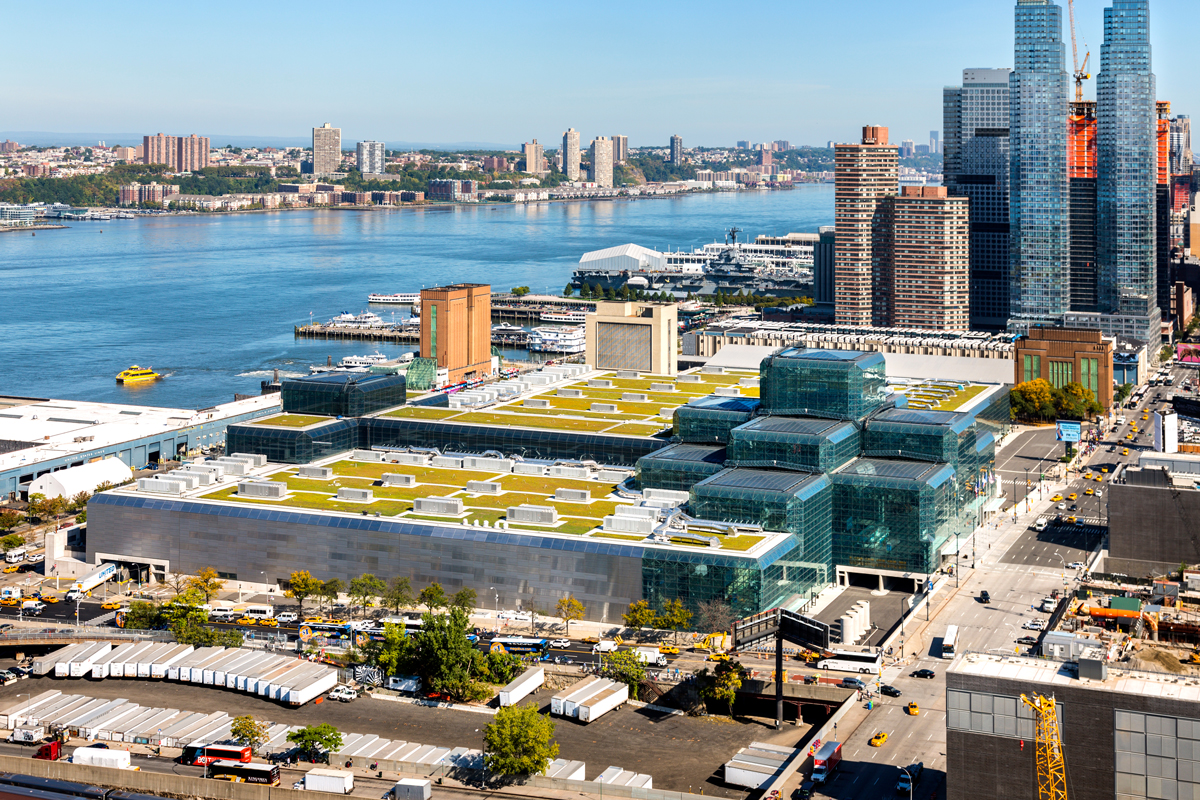
Event Venue & Convention Center Roofing
Event Venue & Convention Center Roofing needs a roof scope that fits the building's schedule, access, equipment, and occupants.
 Building
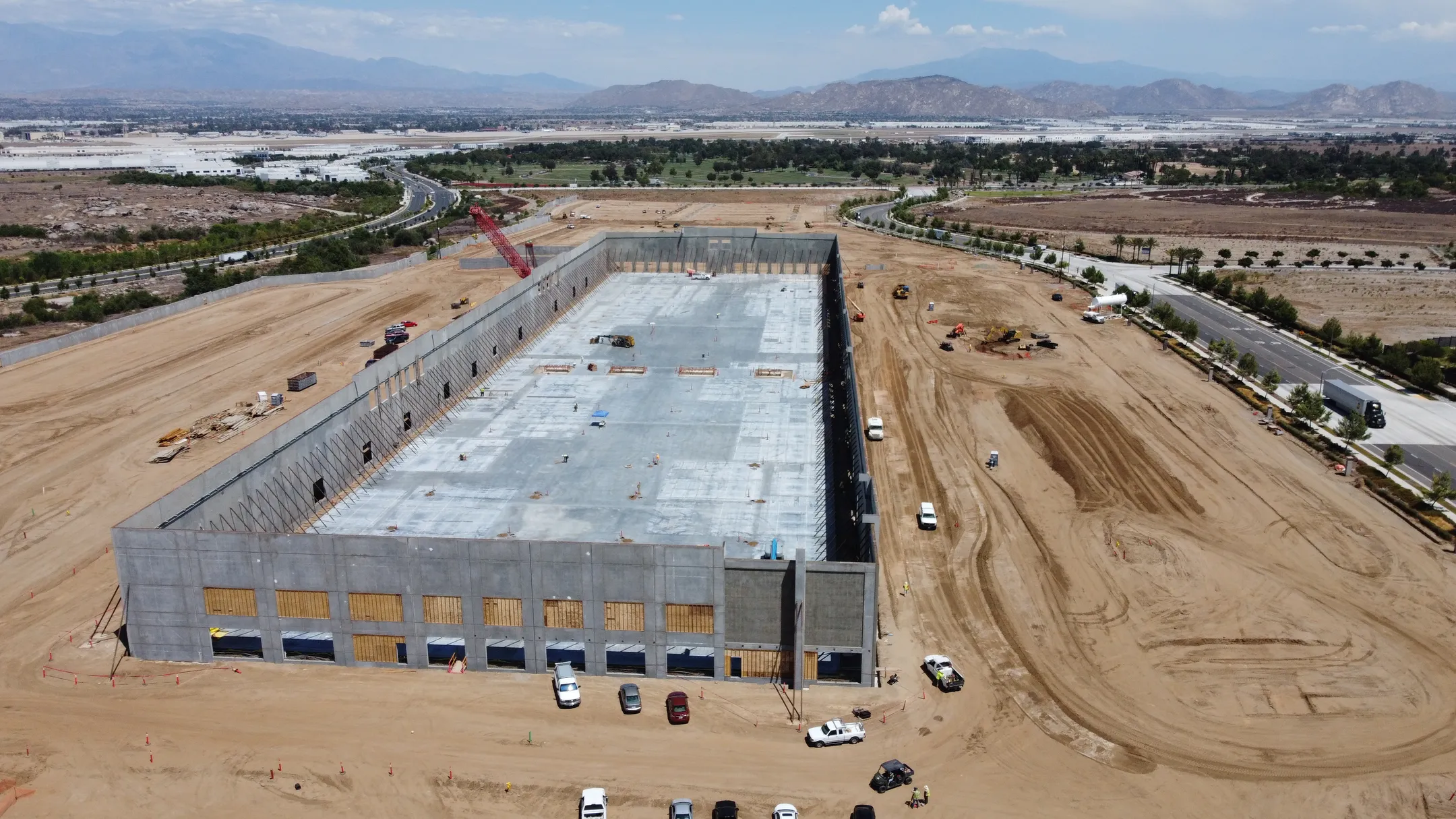
Warehouse Roofing
Warehouse Roofing needs a roof scope that fits the building's schedule, access, equipment, and occupants.
 Building
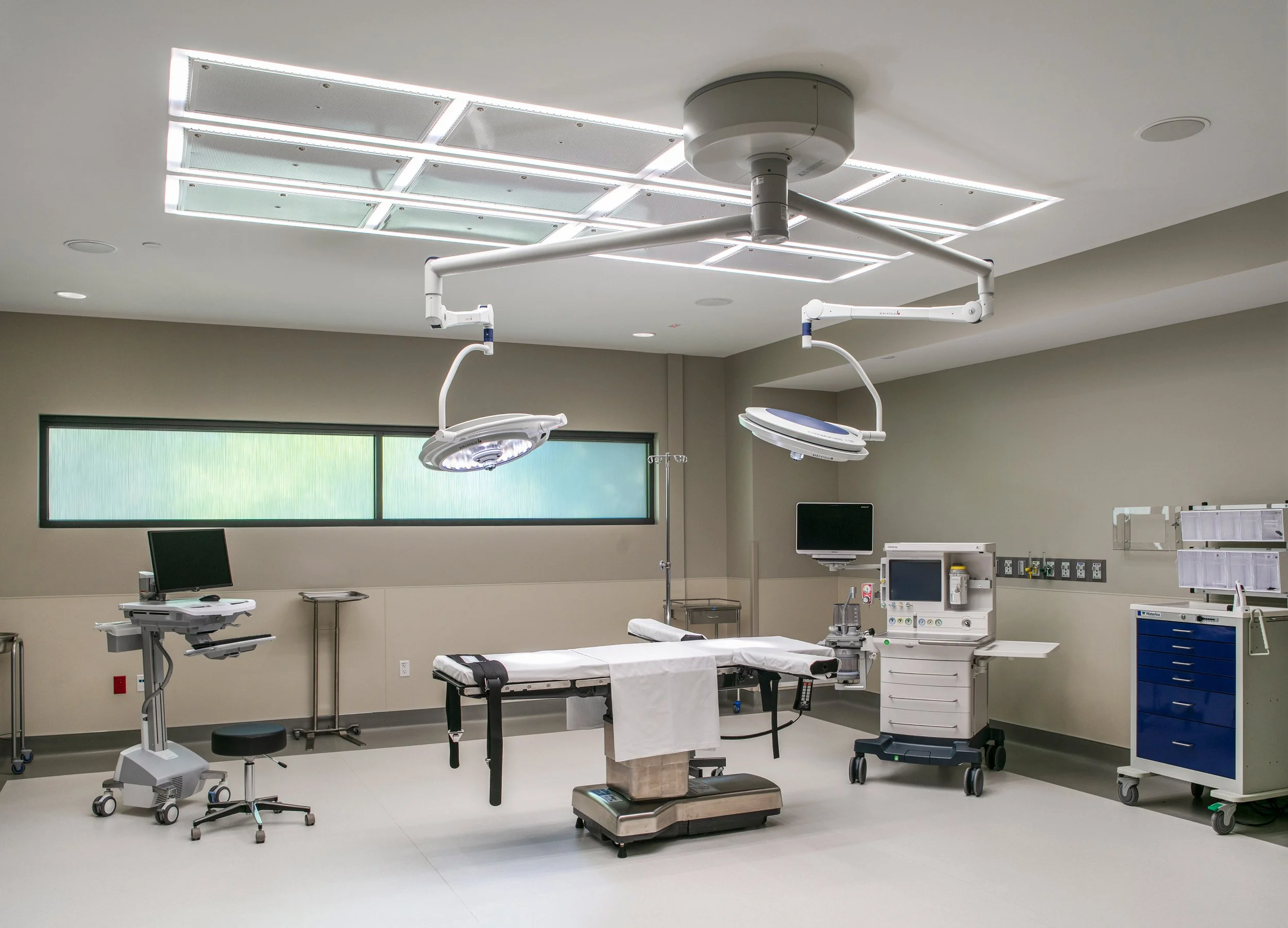
Hospital and Surgery Center Roofing
Hospital and Surgery Center Roofing needs a roof scope that fits the building's schedule, access, equipment, and occupants.