
Data Center Roofing in Chattanooga, TN
Data Center Roofing starts with roof evidence before repair, restoration, recover, or replacement decisions are made.
Industry
Support the decision path
Data center roofing for colocation facilities, server rooms, and mission-critical buildings throughout Chattanooga, TN.
Chattanooga, Tennessee occupies a distinctive position in the Southeast technology landscape, built on the foundation of the city's EPB Fiber Optics network, the first municipal gigabit fiber network in the United States, launched in 2010. That infrastructure investment, paired with some of the lowest industrial electricity rates in the country through TVA power, has made Chattanooga an increasingly attractive destination for data center operators seeking low-latency connectivity and competitive power costs. While Chattanooga does not yet match the campus scale of Charlotte or Atlanta, the city's data center market has grown steadily, with enterprise deployments, cloud node facilities, and edge computing installations taking root across the Hamilton County corridor.
Data center roofing in Chattanooga begins with understanding the unique thermal environment that EPB's fiber infrastructure and the supporting switch and colocation facilities require. Modern server densities, particularly in edge computing installations supporting the smart grid infrastructure Chattanooga pioneered, generate substantial heat that must be managed through rooftop CRAC and CRAH units or free-air cooling systems. Each of these units requires precision roof penetrations with long-term watertight flashings. The proximity of Chattanooga's technology facilities to older industrial building stock, where re-roofing of legacy structures is common, adds complexity to penetration work that newer greenfield facilities avoid by design.
Chattanooga's location in a river valley surrounded by Appalachian ridges creates weather conditions that distinguish it from other Tennessee cities. The metro receives approximately 54 inches of rainfall annually, with notable convective storm activity through the spring and summer months. The valley geography can intensify localized storms and produce sudden wind direction shifts that stress edge metal and perimeter flashings. Winter weather brings a meaningful ice storm risk, the ridges surrounding the city can accumulate ice while the valley floor experiences freezing rain rather than snow, loading roof membranes and mechanical equipment with ice weights that must be accounted for in structural and roofing system design.
The EPB smart grid control infrastructure, housed in facilities across Hamilton County, represents one of the more unusual data center roofing challenges in the region. These facilities blend utility-grade electrical equipment, switchgear, transformers, communication cabinets, with IT server infrastructure, creating rooftop environments with both high-voltage electrical penetrations and standard IT mechanical systems. Roofing contractors working on these facilities must be credentialed and experienced with utility electrical environments, as the proximity of high-voltage equipment to roofing work areas introduces safety requirements that exceed those of standard commercial data center projects.
Vibration from diesel generators and large UPS systems is a consistent roofing durability concern at Chattanooga data center facilities. Backup generator installations, essential for facilities supporting the city's smart grid and emergency communications infrastructure, produce low-frequency vibration that transmits through building structures to the roof assembly. Without properly designed vibration isolation systems under generator pads and rooftop equipment curbs, membrane seams and penetration flashings experience accelerated fatigue failure. This failure mode is especially costly in Chattanooga because the facilities involved are often critical municipal infrastructure where an unplanned outage has immediate public consequence.
The TVA power advantage that draws data center operators to Chattanooga also creates a roofing system consideration. Low electricity costs incentivize operators to maximize IT density, which maximizes cooling load and rooftop mechanical equipment density. High-density facilities in Chattanooga have higher than average CRAH unit counts per square foot of roof area, increasing the number of penetrations and the complexity of the flashing work required. Roofing contractors must account for this in their scope development, allocating adequate labor for penetration flashing without compromising membrane installation schedules.
TPO membrane systems dominate new data center roofing specifications in Chattanooga, consistent with the broader industry trend toward reflective, heat-welded single-ply systems. The reflective surface is particularly relevant in Chattanooga's mixed climate, reducing heat gain during long summer periods while the UV-stable surface resists the intense solar radiation characteristic of Tennessee summers. Tapered insulation systems that direct water to interior drains are preferred over scuppers on data center facilities, as interior drainage eliminates the edge leak vulnerability associated with scupper details during high-intensity storm events.
Roofing contractors pursuing data center work in Chattanooga benefit from the city's collaborative technology ecosystem, anchored by organizations like the Edney Innovation Center and the Enterprise Center, which have cultivated relationships between local contractors, technology operators, and municipal technology departments. These relationships can streamline the access coordination, security credentialing, and facilities communication that data center roofing projects require. Established local contractors who have completed prior work on Chattanooga's technology infrastructure are at a meaningful advantage when bidding new mission-critical projects in the region.
What makes EPB-related data center facilities different from standard commercial roofing projects?
EPB's smart grid facilities combine utility-grade electrical infrastructure with IT data center equipment, creating rooftop environments with both high-voltage electrical penetrations and standard mechanical systems. Roofing contractors must be credentialed for utility electrical environments and familiar with the access protocols and safety requirements that distinguish utility infrastructure from standard commercial buildings.
How does Chattanooga's valley geography affect data center roof design?
The surrounding ridges can intensify localized storm events and produce sudden wind direction changes that stress edge metal and perimeter flashings. Ice storm events, where ridges accumulate ice while the valley receives freezing rain, add structural loading considerations. Data center roof designs in Chattanooga must account for these localized weather intensification effects rather than relying solely on regional weather data.
What is the typical warranty term for a data center roofing system in Chattanooga?
Most commercial single-ply membrane manufacturers offer 20-year NDL (No Dollar Limit) warranties for qualifying data center installations. Achieving this warranty typically requires minimum insulation R-values, approved contractor installation, and factory-inspected seam quality. Data center operators should insist on manufacturer warranty qualification as a contract requirement.
How are high-density CRAH unit penetrations managed on Chattanooga data center roofs?
Each CRAH penetration requires an independent flashing assembly sized for the unit's curb dimensions, with proper counter-flashing and watertight seals on all refrigerant piping and electrical conduit penetrations associated with the unit. On high-density installations, penetrations may be grouped into shared curb assemblies to reduce the total number of independent flashing details while maintaining watertight integrity.
Can Chattanooga's older industrial buildings be converted to data centers with standard roofing systems?
Conversion of older industrial buildings requires careful assessment of existing roof structure capacity to support added mechanical loads, existing insulation that may retain moisture, and deck condition that affects adhesion and fastener pull strength. In many cases, a complete tear-off and replacement is more cost-effective than overlay systems on converted industrial facilities, particularly when the new use requires penetration density and insulation values that the existing assembly cannot support.
What information should we send before a Commercial Real Estate and REITs roof walk?
Before a Commercial Real Estate and REITs roof walk, send the building location, roof age if known, roof access instructions, leak photos, tenant restrictions, and prior roof reports. Those details let us shape the inspection around the actual roof problem instead of arriving with a generic checklist.
Can Commercial Real Estate and REITs be handled while the building stays occupied?
For Commercial Real Estate and REITs, occupied-building work depends on access, odor, noise, staging room, weather exposure, and how much roof must be opened at one time. We phase the work around dry-in, tenant protection, loading paths, and the operating schedule below the roof.
How do we compare repair, coating, recover, and replacement for Commercial Real Estate and REITs?
For Commercial Real Estate and REITs, we compare moisture evidence, layer count, deck condition, drainage, age, storm exposure, roof traffic, and future use before naming a scope. That evidence is what separates a repair file from a restoration plan, a recover option, or a replacement budget.
Do you promise manufacturer certification or insurance approval for Commercial Real Estate and REITs?
For Commercial Real Estate and REITs, we do not invent credentials, promise claim outcomes, or write warranty language before the facts support it. We document conditions, identify manufacturer or carrier questions, and keep recommendations tied to reviewable roof evidence.
What makes Chattanooga planning different for Commercial Real Estate and REITs?
Chattanooga planning for Commercial Real Estate and REITs has to account for downtown access, UTC and hospital-area traffic, Enterprise South and Centre South Riverport industrial corridors, humid Tennessee Valley heat, severe thunderstorms, hail, freeze-thaw movement, leaf debris, and wind-driven rain.
- Religious Nonprofit Organizations
- DST Roofing
- General Contractors
- Manufacturing Operators
- Hospitality Groups
- Retail Roofing
- Built Up Roofing
- Insurance Claim Coordination
Planning checkpoints
Documentation keeps approvals moving
Condition
Data Center Roofing work starts with the affected roof area, water path, membrane condition, and interior evidence.
Operations
Work windows, tenant protection, loading paths, and safety expectations need to be named early.
Options
Repair, maintenance, coating, recover, and replacement should be compared without blurring the tradeoffs.
Next Step
A concise field record helps ownership decide what needs immediate action and what belongs in planning.
Related roof paths
Keep exploring
 Industry
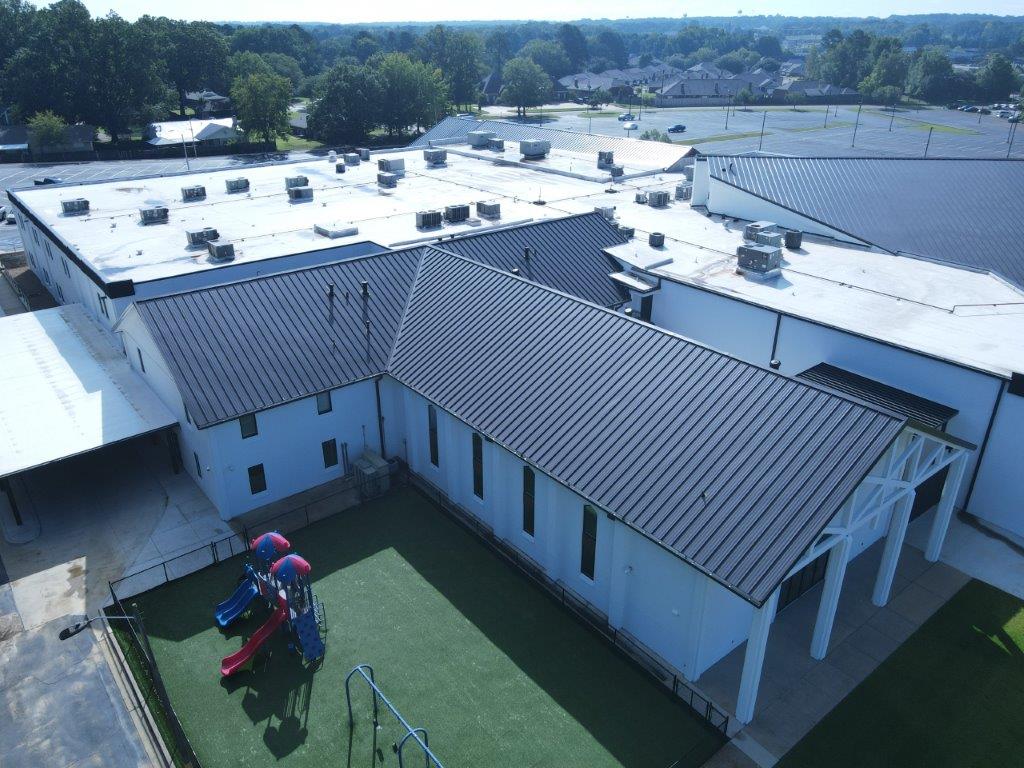
Religious and Non-Profit Organizations
Religious and Non-Profit Organizations roof planning keeps approval needs, downtime, and roof documentation in one clear record.
 Industry
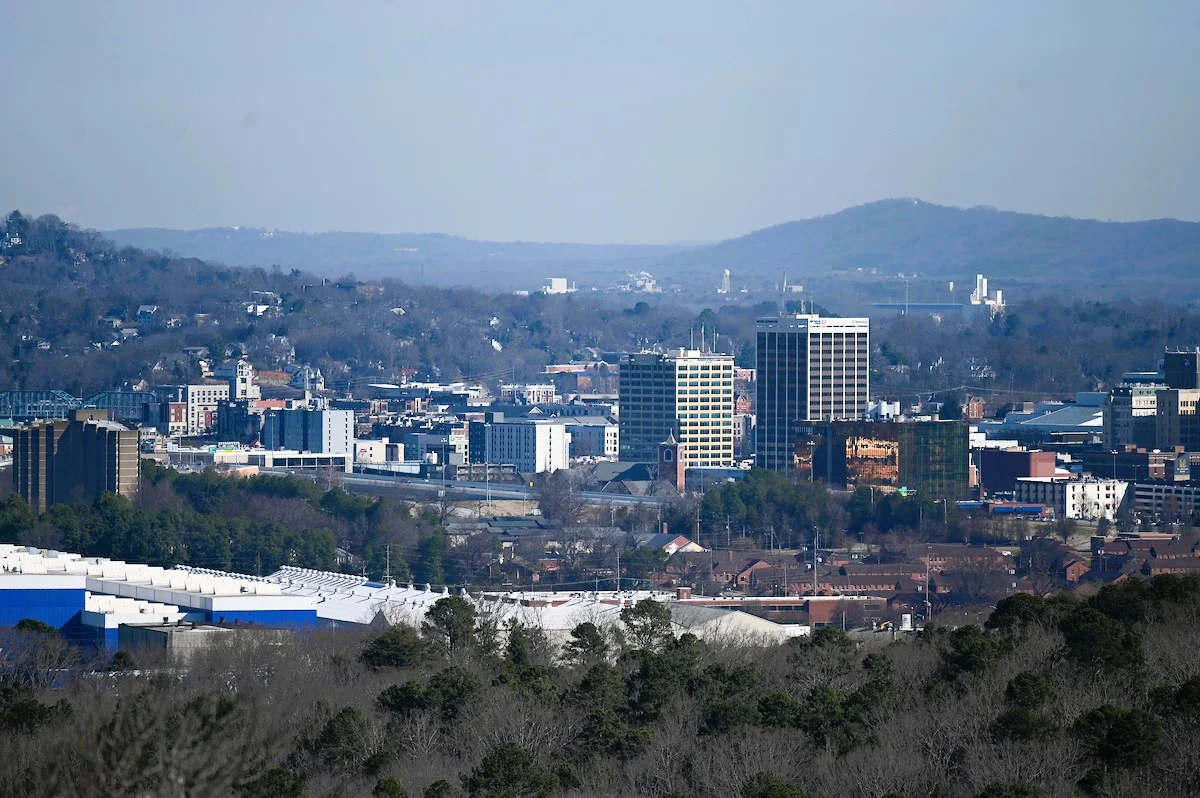
DST Roofing Services
DST Roofing Services roof planning keeps approval needs, downtime, and roof documentation in one clear record.
 Industry
General Contractors
General Contractors roof planning keeps approval needs, downtime, and roof documentation in one clear record.