
DST Roofing Services in Chattanooga, TN
DST Roofing Services starts with roof evidence before repair, restoration, recover, or replacement decisions are made.
Industry
Support the decision path
Commercial roofing for Delaware Statutory Trust (DST) properties and 1031 exchange investors throughout Chattanooga, TN.
Chattanooga has quietly become one of the more interesting DST acquisition markets in the Southeast, the mid-size Tennessee city's revival story, anchored by Volkswagen's manufacturing presence, the Gig City technology infrastructure, and a growing medical community around CHI Memorial and Erlanger Health System, has created a commercial real estate base that offers NNN yields well above what Atlanta or Nashville command. DST sponsors closing on Chattanooga industrial assets in the Enterprise South industrial park, medical office buildings near the Erlanger campus, or NNN retail along Gunbarrel Road and Highway 153 typically arrive without a local commercial roofing contractor relationship. The Tennessee Valley's specific climate and contractor market dynamics make early engagement essential for effective hold period management.
Roof condition assessments for Chattanooga DST acquisitions need to reflect the Tennessee Valley's climate characteristics, which combine elements of the Deep South, Appalachian weather, and the Ohio Valley storm corridor. Chattanooga receives significant rainfall, approximately 55 inches annually, delivered in both summer convective events and fall/winter frontal systems. The surrounding mountains channel and amplify certain weather events, creating localized rain and wind intensity that flat-roof commercial buildings in the valley floor must handle. A condition report for an offering memorandum should specifically document drainage system capacity given the regional rainfall intensity, flashing and seam condition, and remaining useful life calibrated to the local climate.
Capital reserve modeling for Chattanooga DST offerings benefits from a local contractor's input because Southeast Tennessee's construction labor market has been tightened by the manufacturing and logistics expansion in the region. Volkswagen, Amazon, and other major employers have created construction demand that keeps crews committed to new development and reduces the availability of experienced commercial roofing contractors for maintenance and replacement work. A reserve model built on national average labor costs may underestimate the Chattanooga market by 15 to 20 percent, which translates into a meaningful reserve shortfall on a large commercial building over a typical DST hold period.
The 1031 exchange timeline in Chattanooga DST deals operates in a market with a smaller buyer pool than major metros, which can mean slightly longer marketing periods but no less urgency once a purchase agreement is signed. A DST sponsor who has committed to a Chattanooga acquisition on a 45-day 1031 identification deadline needs due diligence materials assembled on a compressed schedule, and the property condition section, including the roofing component, needs to be ready before investors commit. A roofing contractor who responds within 48 hours and produces a written assessment within the due diligence window keeps the offering on track.
Managing Chattanooga commercial roofing during the DST hold period requires attention to two seasonal risk periods: the spring severe weather season and the late summer/early fall period when tropical moisture pushes into the Tennessee Valley. The spring tornado risk for the greater Chattanooga area is moderate but real, the valley's topography can focus storm energy, and wind events that cause roof damage occur with enough regularity that DST operators should have a post-storm inspection protocol documented in their service agreement. The operator managing a Chattanooga property from Nashville or Dallas needs a contractor who can be on site within 24 hours of a significant storm event.
Out-of-state DST operators managing Chattanooga properties face the operational challenge of a mid-size market where the best commercial roofing contractors serve established local client bases and may have limited capacity for new accounts. The Hamilton County commercial building market is not as deep as Nashville's or Atlanta's, which means the contractor pool for large-format flat-roof commercial work is relatively concentrated. An operator from Atlanta or Texas who assumes that finding a capable Chattanooga commercial roofing contractor is a quick Google search will be surprised by how quickly the available options narrow when specific credentials and experience are required.
Chattanooga DST acquisitions concentrate in automotive-support industrial, logistics and distribution, medical office, and NNN retail. The Enterprise South industrial park near the Volkswagen facility has attracted significant industrial development; the logistics corridor along I-75 and I-24 serves regional distribution needs; medical office near the CHI Memorial and Erlanger campuses in the Hamilton Place corridor is an active DST acquisition category. NNN retail serving the suburban growth along Gunbarrel Road and in the Hamilton Place area provides the defensive income characteristics that 1031 exchange investors seek.
The climate risk that most surprises out-of-market DST operators in Chattanooga is the combination of valley rainfall intensity and the regional terrain's effect on storm behavior. The Tennessee Valley's surrounding ridges can trap and amplify certain weather systems, producing localized rain events that exceed what the broader regional weather data would predict. A flat commercial roof on the valley floor in Hamilton County can receive 3 to 4 inches of rain in two hours during an intense convective event, overwhelming drainage systems that aren't properly maintained. Sponsors from the arid Mountain West or the Pacific Coast underestimate both the frequency and intensity of these events.
A roof failure during a Chattanooga DST hold period is compounded by the market's mid-size character, fewer available contractors means a longer wait for emergency service if there's no pre-established relationship in place. The operators who manage Chattanooga hold periods cleanly are the ones who treat the market as requiring the same level of contractor relationship investment as a major metro: biannual inspections, documented maintenance logs, standing service agreements with priority response provisions. The investors in a Chattanooga DST deal expect the same operational standards as investors in a Nashville or Atlanta deal, and the operator's responsibility to deliver those standards doesn't diminish because the market is smaller.
What information should we send before a Commercial Real Estate and REITs roof walk?
Before a Commercial Real Estate and REITs roof walk, send the building location, roof age if known, roof access instructions, leak photos, tenant restrictions, and prior roof reports. Those details let us shape the inspection around the actual roof problem instead of arriving with a generic checklist.
Can Commercial Real Estate and REITs be handled while the building stays occupied?
For Commercial Real Estate and REITs, occupied-building work depends on access, odor, noise, staging room, weather exposure, and how much roof must be opened at one time. We phase the work around dry-in, tenant protection, loading paths, and the operating schedule below the roof.
How do we compare repair, coating, recover, and replacement for Commercial Real Estate and REITs?
For Commercial Real Estate and REITs, we compare moisture evidence, layer count, deck condition, drainage, age, storm exposure, roof traffic, and future use before naming a scope. That evidence is what separates a repair file from a restoration plan, a recover option, or a replacement budget.
Do you promise manufacturer certification or insurance approval for Commercial Real Estate and REITs?
For Commercial Real Estate and REITs, we do not invent credentials, promise claim outcomes, or write warranty language before the facts support it. We document conditions, identify manufacturer or carrier questions, and keep recommendations tied to reviewable roof evidence.
What makes Chattanooga planning different for Commercial Real Estate and REITs?
Chattanooga planning for Commercial Real Estate and REITs has to account for downtown access, UTC and hospital-area traffic, Enterprise South and Centre South Riverport industrial corridors, humid Tennessee Valley heat, severe thunderstorms, hail, freeze-thaw movement, leaf debris, and wind-driven rain.
- Manufacturing Operators
- Hospitality Groups
- Religious Nonprofit Organizations
- REIT Roofing
- General Contractors
- Drone Roof Inspection
- Commercial Roof Leak Repair
- Manufacturing Facility Roofing
Planning checkpoints
Documentation keeps approvals moving
Condition
DST Roofing Services work starts with the affected roof area, water path, membrane condition, and interior evidence.
Operations
Work windows, tenant protection, loading paths, and safety expectations need to be named early.
Options
Repair, maintenance, coating, recover, and replacement should be compared without blurring the tradeoffs.
Next Step
A concise field record helps ownership decide what needs immediate action and what belongs in planning.
Related roof paths
Keep exploring
 Industry
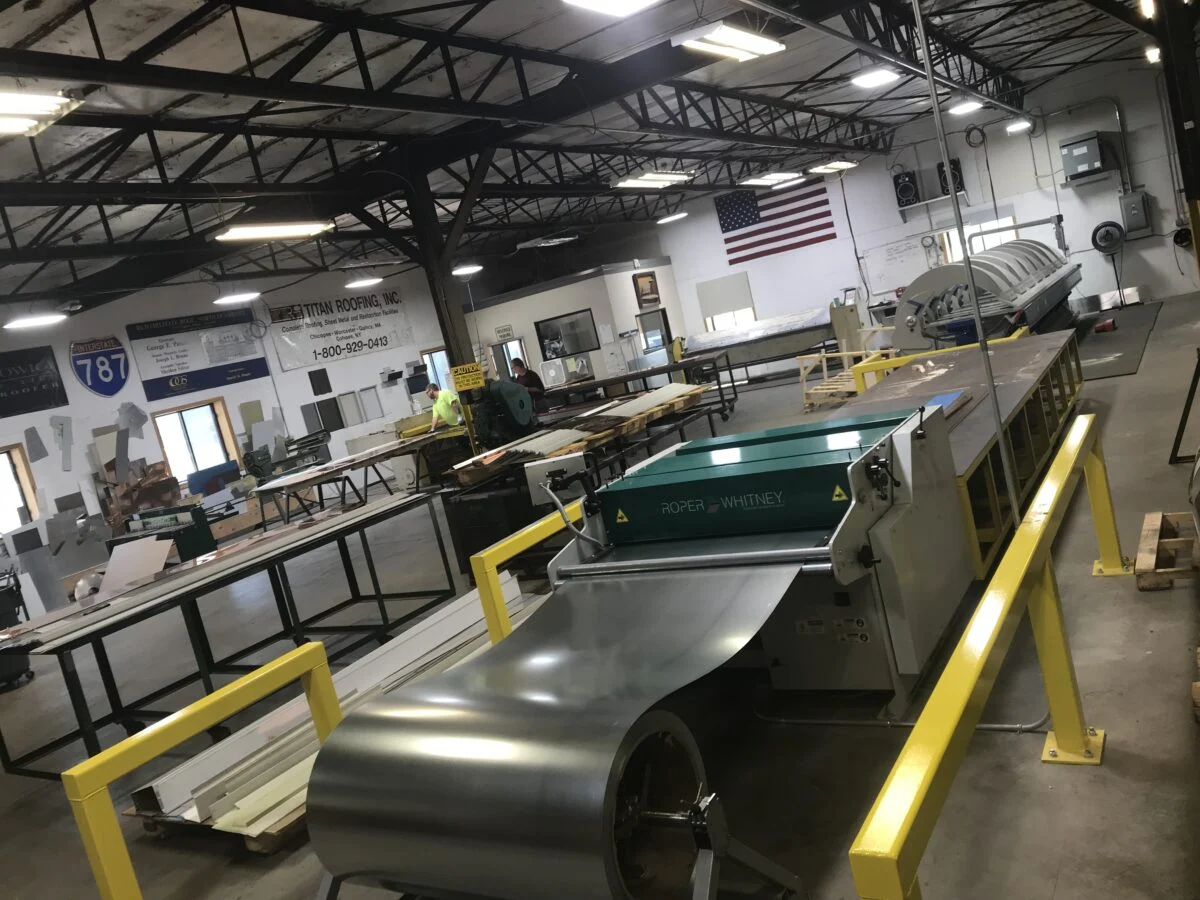
Manufacturing Operators
Manufacturing Operators roof planning keeps approval needs, downtime, and roof documentation in one clear record.
 Industry
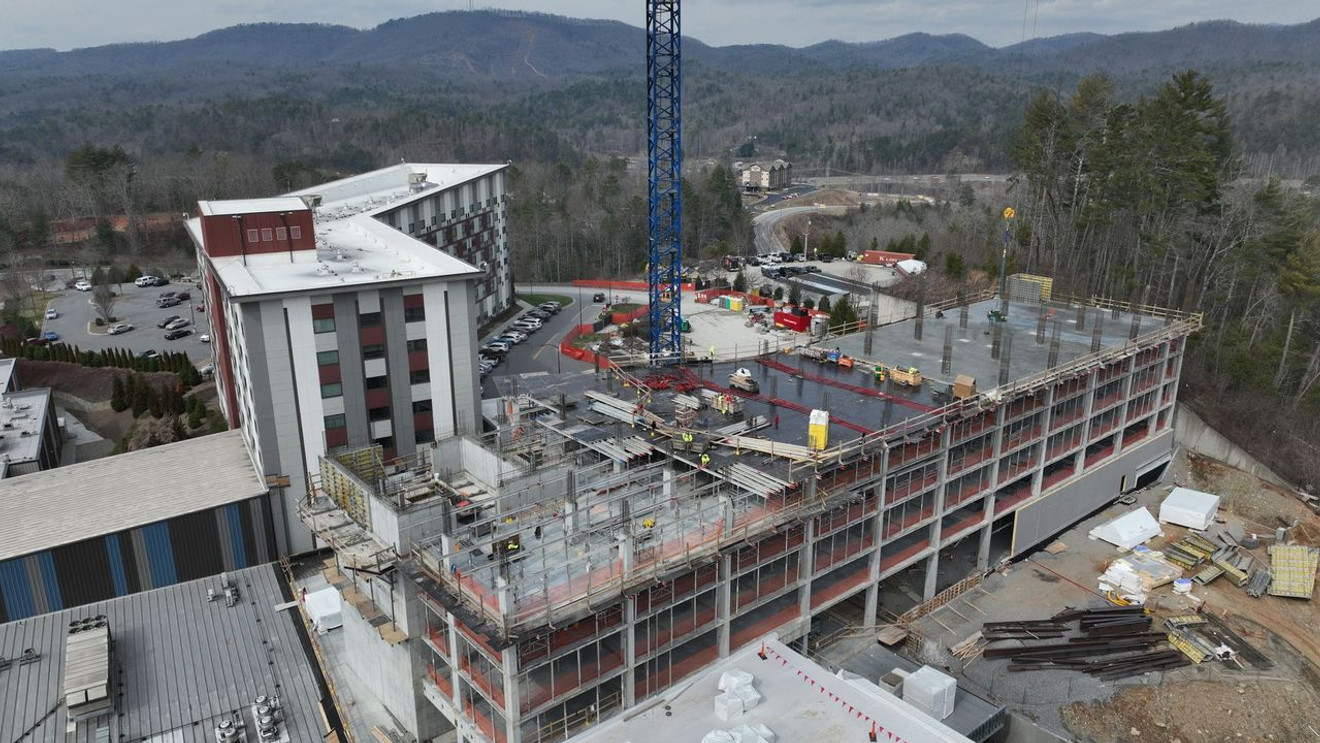
Hospitality Groups
Hospitality Groups roof planning keeps approval needs, downtime, and roof documentation in one clear record.
 Industry
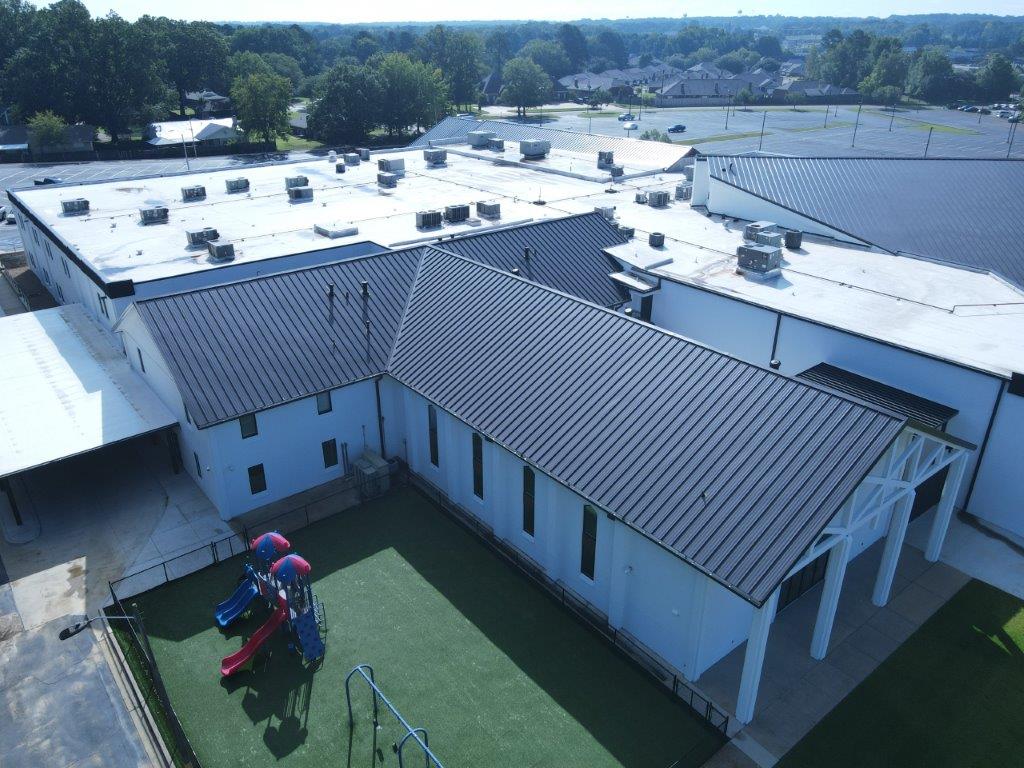
Religious and Non-Profit Organizations
Religious and Non-Profit Organizations roof planning keeps approval needs, downtime, and roof documentation in one clear record.