
School and K-12 Educational Building Roofing in Chattanooga, TN
School and K-12 Educational Building Roofing starts with roof evidence before repair, restoration, recover, or replacement decisions are made.
Roof Work
Document the roof before choosing the scope
Commercial roofing for public and private schools, K-12 campuses, and educational facilities throughout Chattanooga, TN.
Hamilton County Schools, the public school district serving Chattanooga and all of Hamilton County, Tennessee, with approximately 44,000 students across 80 schools, manages a building portfolio that reflects both the city's industrial heritage and its twenty-first-century reinvention as a technology and outdoor recreation destination. The district's facilities range from Carnegie-era masonry elementary schools in Chattanooga's historic neighborhoods to contemporary magnet school campuses built during the 2010s revitalization, and each building generation presents different roofing system types, degradation timelines, and climate challenges specific to the Tennessee River valley's intense summer heat and severe weather exposure.
Summer scheduling at Hamilton County Schools is structured around a traditional calendar releasing students in late May or early June and returning them in mid-August, creating an eleven to twelve week construction window that is among the more generous in the Southeast. This longer window is one of Chattanooga's competitive advantages for school roofing contractors, more construction days per summer project season means more capacity for large-scope projects and more schedule buffer for weather delays. The Tennessee River valley's afternoon thunderstorm pattern requires weather monitoring protocols throughout the summer window, but the longer overall schedule reduces the pressure that compresses construction quality when windows are tight.
Tennessee's prevailing wage law was revised in 2018 to significantly limit its application to public school projects, and Hamilton County Schools projects currently do not require prevailing wages under the revised state law. However, the district's contracts with the City of Chattanooga for school facilities serving dual municipal and educational purposes, and projects receiving certain federal grant funds, may carry Davis-Bacon Act obligations that contractors must identify and comply with. The Tennessee Department of Education provides guidance on federal funding conditions for school construction, and contractors should verify funding sources for each project before assuming no prevailing wage requirements apply.
Large institutional roofs at Hamilton County Schools facilities include the multi-wing high school campuses built during the 1960s through 1980s that now anchor most of Chattanooga's neighborhoods. Brainerd High School, Hixson High School, and Sale Creek Middle-High School each have campus configurations with 80,000 to 120,000 square feet of roofing distributed across gymnasium, auditorium, and classroom wings. These buildings' original modified bitumen or built-up roofing systems, installed 20 to 30 years ago, are well past their design life, and the accumulated deferred maintenance at these buildings represents a significant capital replacement backlog that bond program funding is beginning to address.
District-wide programs at Hamilton County Schools are administered through the district's Operations and Facilities division, which maintains a capital improvements plan updated annually and reviewed by the Hamilton County Board of Education. The district's roofing condition database, developed through annual facility condition assessments, provides the data foundation for prioritizing roofing investments across the 80-building portfolio. Contractors who have established relationships with the district's facilities staff and who have participated in the district's vendor qualification processes are positioned to receive early notice of solicitation timelines for priority projects.
Budget cycles at Hamilton County Schools are governed by the Hamilton County Commission's annual appropriation process and by periodic general obligation bond referenda that fund major capital improvements. Tennessee's state education funding formulas provide limited support for capital facility investments, placing the primary capital funding burden on local property taxes. Hamilton County's growing assessed value base, driven by Chattanooga's economic revitalization, has supported bond programs that funded significant facility improvements since 2010, and contractors who track bond program implementation schedules have successfully anticipated major roofing solicitation timelines.
Occupied safety protocols at Hamilton County Schools construction sites must account for the numerous community programs, summer school courses, and athletics that keep many Chattanooga school campuses active through the summer months. The district's construction office requires site-specific safety plans before mobilization and conducts random site safety audits during construction. Hamilton County's partnership with the Chattanooga Fire Department for construction site inspections adds an additional safety oversight layer at large institutional projects. Contractors whose site safety programs consistently pass these audits build reputations with district facilities staff that distinguish them from competitors in the selection process for subsequent projects.
Tennessee building code enforced in Hamilton County requires commercial roofing permits for school projects, and the district's standard specifications incorporate wind uplift requirements consistent with the Tennessee Valley's documented severe weather exposure. Chattanooga's position in Dixie Alley, the tornado-prone corridor extending from northeast Texas through Tennessee, requires enhanced perimeter and edge metal attachment to resist the rapid pressure changes associated with severe convective systems and tornadic events. Hamilton County's building inspection division has enforced these requirements consistently following storm damage documentation at district facilities.
Long-term maintenance programs for Hamilton County Schools facilities are most cost-effective when structured around the district's multi-building portfolio rather than building-by-building service agreements. Annual inspection services covering the entire portfolio at a predictable per-building cost give district facilities staff comprehensive condition data across all managed buildings, enabling data-driven capital prioritization rather than reactive emergency response. Contractors who deliver portfolio-level maintenance programs build deeper relationships with Hamilton County Schools facilities management than those who engage only on individual project transactions.
What information should we send before a School and K-12 Educational Building Roofing roof walk?
Before a School and K-12 Educational Building Roofing roof walk, send the building location, roof age if known, roof access instructions, leak photos, tenant restrictions, and prior roof reports. Those details let us shape the inspection around the actual roof problem instead of arriving with a generic checklist.
Can School and K-12 Educational Building Roofing be handled while the building stays occupied?
For School and K-12 Educational Building Roofing, occupied-building work depends on access, odor, noise, staging room, weather exposure, and how much roof must be opened at one time. We phase the work around dry-in, tenant protection, loading paths, and the operating schedule below the roof.
How do we compare repair, coating, recover, and replacement for School and K-12 Educational Building Roofing?
For School and K-12 Educational Building Roofing, we compare moisture evidence, layer count, deck condition, drainage, age, storm exposure, roof traffic, and future use before naming a scope. That evidence is what separates a repair file from a restoration plan, a recover option, or a replacement budget.
Do you promise manufacturer certification or insurance approval for School and K-12 Educational Building Roofing?
For School and K-12 Educational Building Roofing, we do not invent credentials, promise claim outcomes, or write warranty language before the facts support it. We document conditions, identify manufacturer or carrier questions, and keep recommendations tied to reviewable roof evidence.
What makes Chattanooga planning different for School and K-12 Educational Building Roofing?
Chattanooga planning for School and K-12 Educational Building Roofing has to account for downtown access, UTC and hospital-area traffic, Enterprise South and Centre South Riverport industrial corridors, humid Tennessee Valley heat, severe thunderstorms, hail, freeze-thaw movement, leaf debris, and wind-driven rain.
- Commercial Reroofing
- KEE Single Ply Roofing
- Roof Recover Overlay
- Insurance Claim Coordination
- Auto Dealership Roofing
- Humidity Damage Roof Repair
- Roof Tear Off Replacement
- Industrial Roofing
Planning checkpoints
From urgent response to responsible scope
Condition
School and K-12 Educational Building Roofing work starts with the affected roof area, water path, membrane condition, and interior evidence.
Operations
Work windows, tenant protection, loading paths, and safety expectations need to be named early.
Options
Repair, maintenance, coating, recover, and replacement should be compared without blurring the tradeoffs.
Next Step
A concise field record helps ownership decide what needs immediate action and what belongs in planning.
Related roof paths
Keep exploring
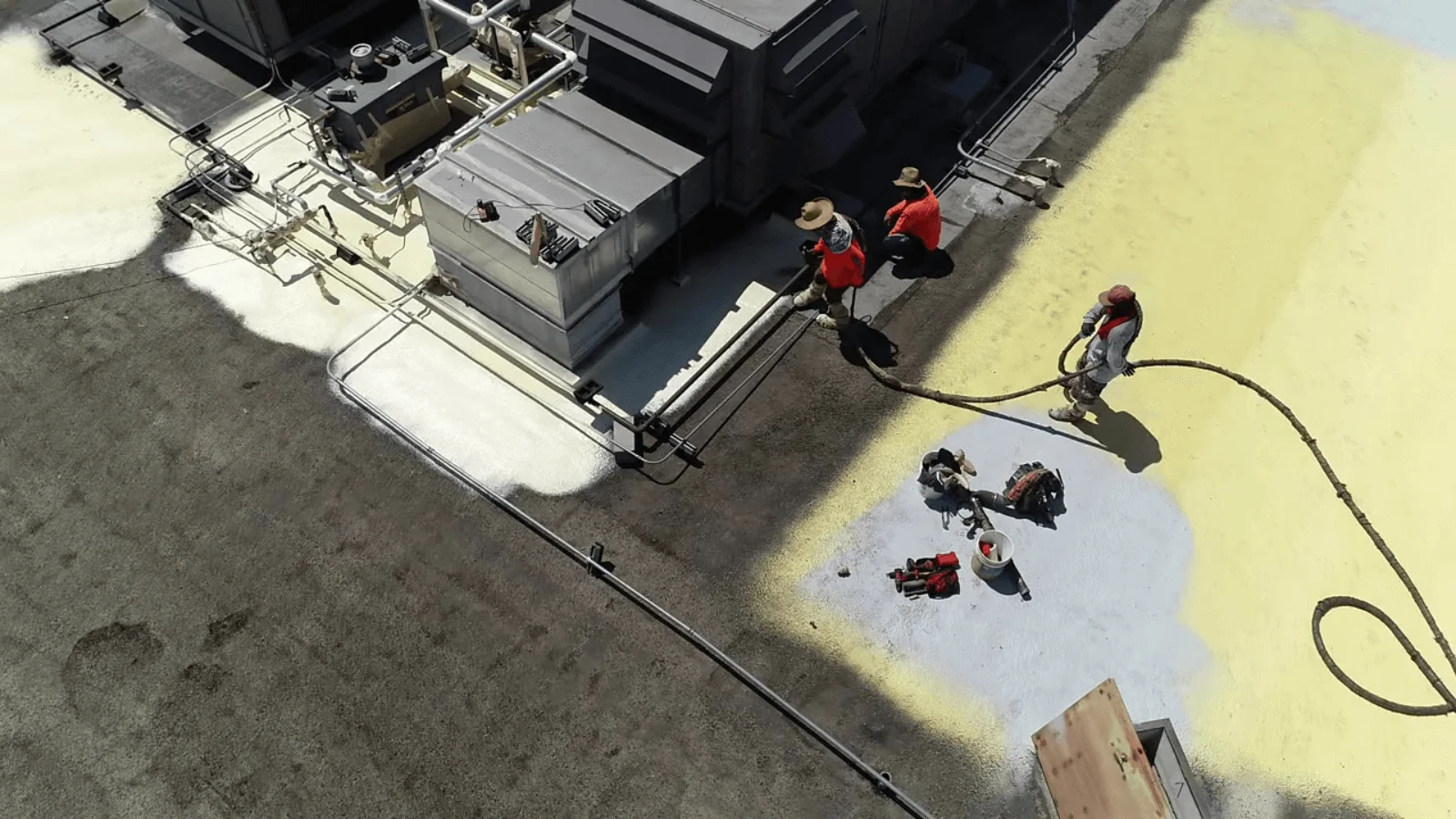 Roof Work
Commercial Re-Roofing
Commercial Re-Roofing support covers access, staging, drainage, and roof traffic for Chattanooga commercial buildings.
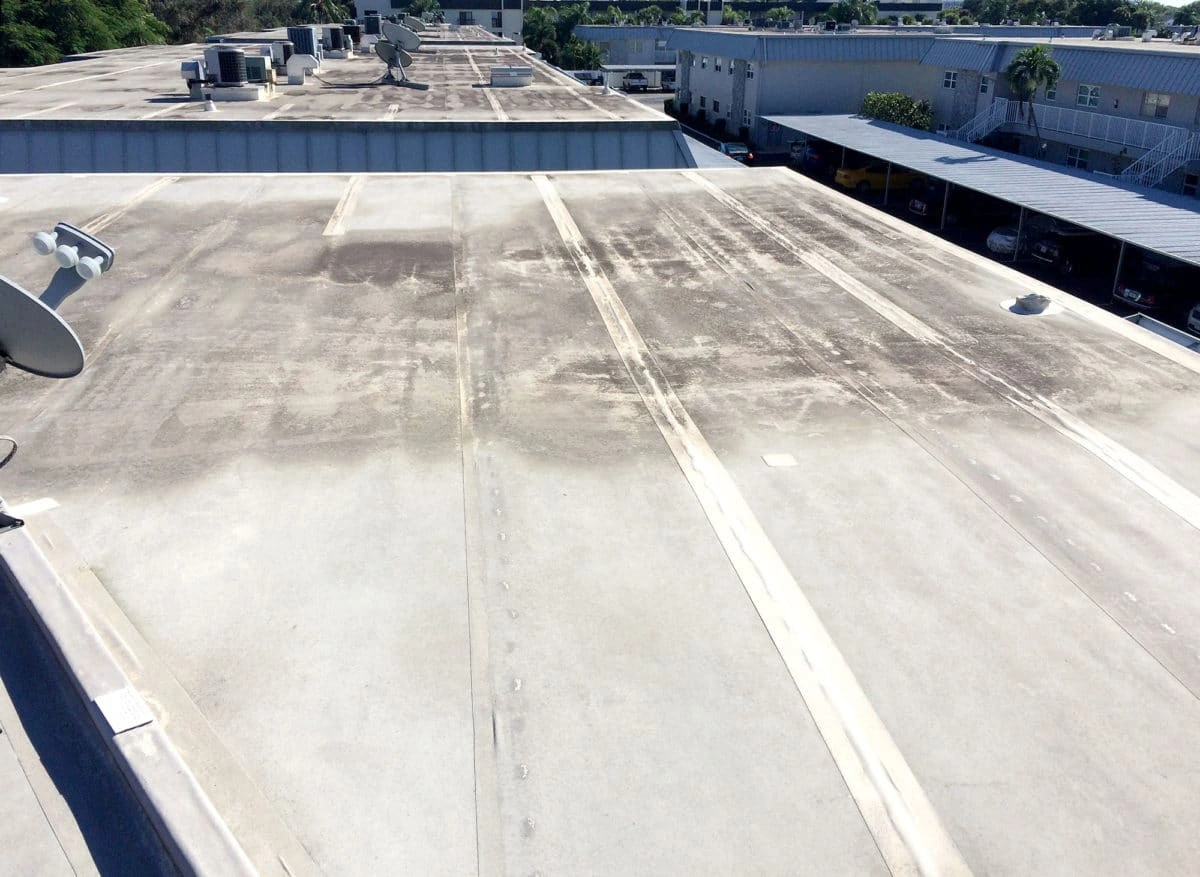 Roof Work
KEE Single-Ply Roofing
KEE Single-Ply Roofing support covers tenant communication, rooftop equipment, and dry-in timing for Chattanooga commercial buildings.
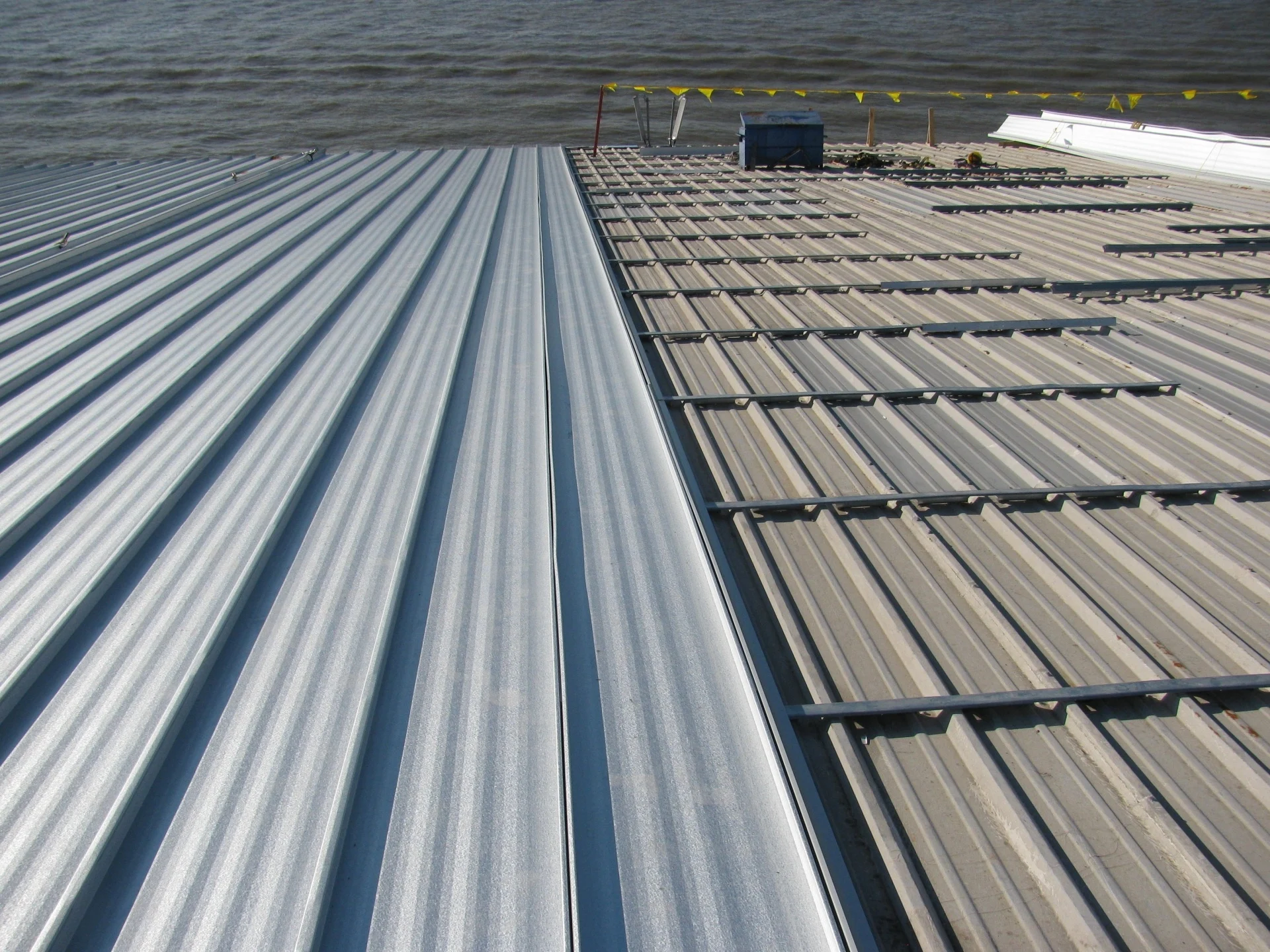 Roof Work
Roof Recover and Overlay
Roof Recover and Overlay support covers moisture review, edge conditions, and practical budget timing for Chattanooga commercial buildings.