
Office Building Roofing in Chattanooga, TN
Office Building Roofing starts with roof evidence before repair, restoration, recover, or replacement decisions are made.
Roof Work
Document the roof before choosing the scope
Commercial roofing for Class A, B, and C office buildings, suburban office parks, and downtown towers throughout Chattanooga, TN.
The Unum Group headquarters campus on Lookout Street and the BlueCross BlueShield of Tennessee corporate campus on Cameron Hill in downtown Chattanooga anchor a commercial office market that has been transformed by the city's nationally recognized fiber-optic gigabit internet infrastructure and its emergence as a technology and entrepreneurship hub. Building owners managing Class A and B office properties in the downtown core, along the Riverwalk mixed-use corridor, and in the East Brainerd suburban market manage roofing assets in a climate that combines significant annual rainfall, periodic ice storms, summer heat, and the topographic complexity of a city surrounded by ridges that channel storm winds in sometimes unpredictable directions.
Occupied-building protocols for Chattanooga office buildings must account for the city's growing reputation as a destination for technology talent, which means that office environments are increasingly amenity-rich and tenant expectations for a pristine working environment during construction projects are high. Property managers at Class A Chattanooga buildings in the downtown core and Cameron Hill areas require pre-construction meetings that address fume management protocols, construction noise schedules aligned with typical office hours, and daily site cleanup standards that prevent construction debris from reaching occupied floors through rooftop mechanical equipment intakes. The compact downtown geography also means that crane positioning for major reroofing projects requires coordination with Chattanooga Downtown Partnership's construction activity calendar.
Green roof and cool roof aesthetics are gaining traction in Chattanooga's Class A office market, particularly for the adaptive reuse and new Class A developments that have transformed the riverfront district and the South Side neighborhood. Chattanooga has positioned itself as one of the Southeast's most environmentally progressive cities, and the commercial real estate community has responded with building projects that incorporate sustainable roof features as competitive tenant amenities. The city's position in a river valley below Lookout Mountain and Signal Mountain also means that office building roof decks with vegetated or amenity features offer some of the most dramatic views in any southeastern American city, creating an asset value case for accessible green roofs that goes beyond pure sustainability metrics.
Multi-RTU coordination on Chattanooga office buildings involves the full range of HVAC coordination challenges found in any southern commercial market, with the additional consideration that Tennessee's hot and humid summers make the window for scheduled HVAC unit disconnection for membrane work very narrow. Property managers and tenants of occupied Chattanooga office buildings tolerate temporary cooling interruptions much less in the peak cooling season than in shoulder months, and roofing project schedules should be designed to concentrate any temporary unit disconnections in the October-through-April window when outdoor temperatures allow brief interruption of mechanical cooling without creating unacceptable interior conditions. Tennessee-licensed mechanical contractors must perform all refrigerant work associated with unit disconnections.
Tennessee energy code compliance for Chattanooga office buildings is governed by the state's adoption of the IECC commercial provisions with ASHRAE 90.1 as the reference standard. Chattanooga's Climate Zone 3A designation drives commercial roof assembly continuous insulation requirements to the same R-15 to R-20 baseline as the Charlotte market, and the TVA's commercial energy efficiency programs have historically made incremental insulation upgrades beyond code minimum financially attractive for Chattanooga building owners who can access the utility incentives available through TVA's commercial programs. The city's position as a TVA-served utility territory makes it one of the most insulation-incentive-rich markets in the Southeast.
Reflective membrane specification for Chattanooga office buildings is well supported by the city's Zone 3A climate classification, where cooling loads dominate the annual energy cost profile. White TPO or PVC on a Chattanooga Class A office building delivers meaningful peak cooling load reduction and ENERGY STAR roof qualification. The modest winter heating penalty of a reflective membrane in Chattanooga's relatively mild winters is outweighed by the cooling season benefit in the TVA-rate structure, where commercial electricity rates are among the lowest in the country but peak demand charges make cooling load management a priority for building owners managing monthly demand peaks.
Lease renewal protection through documented building maintenance is particularly important in Chattanooga's evolving office market, where the city's technology sector growth has brought nationally competitive technology companies as tenants who have high expectations for building quality and who will not hesitate to exercise lease termination rights if the building fails to perform. Tennessee commercial landlord-tenant law provides tenants with meaningful remedies for documented building system failures, and a Chattanooga office building owner who cannot produce documented roof inspection and maintenance records is at a disadvantage in any lease renewal or tenant retention negotiation with a quality anchor tenant.
Cost per square foot for office building reroofing in Chattanooga runs $10.00 to $15.00 installed, with the city's competitive Southeast roofing contractor market and efficient Hamilton County Building Department permit process supporting favorable pricing relative to larger metropolitan markets. Downtown Chattanooga projects in the compressed core near Cameron Hill and the Riverwalk corridor carry crane access premiums, but the suburban East Brainerd and Hixson office markets offer unobstructed access and competitive pricing comparable to Nashville-area suburban projects.
Long-term roof asset management for Chattanooga office buildings should account for the TVA commercial energy program cycle, which affects the financial timing of insulation upgrade decisions. Building owners who align major reroofing and insulation upgrade projects with active TVA commercial incentive program years can capture rebates that materially reduce the effective capital cost of above-code insulation specifications. Annual inspection programs tied to manufacturer warranty requirements are the documentation foundation, supplemented by post-storm assessments after the periodic severe thunderstorm and hail events that affect the Hamilton County market throughout the spring and summer seasons.
What information should we send before a Office Building Roofing roof walk?
Before a Office Building Roofing roof walk, send the building location, roof age if known, roof access instructions, leak photos, tenant restrictions, and prior roof reports. Those details let us shape the inspection around the actual roof problem instead of arriving with a generic checklist.
Can Office Building Roofing be handled while the building stays occupied?
For Office Building Roofing, occupied-building work depends on access, odor, noise, staging room, weather exposure, and how much roof must be opened at one time. We phase the work around dry-in, tenant protection, loading paths, and the operating schedule below the roof.
How do we compare repair, coating, recover, and replacement for Office Building Roofing?
For Office Building Roofing, we compare moisture evidence, layer count, deck condition, drainage, age, storm exposure, roof traffic, and future use before naming a scope. That evidence is what separates a repair file from a restoration plan, a recover option, or a replacement budget.
Do you promise manufacturer certification or insurance approval for Office Building Roofing?
For Office Building Roofing, we do not invent credentials, promise claim outcomes, or write warranty language before the facts support it. We document conditions, identify manufacturer or carrier questions, and keep recommendations tied to reviewable roof evidence.
What makes Chattanooga planning different for Office Building Roofing?
Chattanooga planning for Office Building Roofing has to account for downtown access, UTC and hospital-area traffic, Enterprise South and Centre South Riverport industrial corridors, humid Tennessee Valley heat, severe thunderstorms, hail, freeze-thaw movement, leaf debris, and wind-driven rain.
- TPO Single Ply Roofing
- Standing Seam Metal Roofing
- Energy Efficient Cool Roof Installation
- Warehouse Roofing
- Retail Roofing
- PVC Commercial Roofing
- Storm Damage Roof Repair
- Self Storage Roofing
Planning checkpoints
From urgent response to responsible scope
Condition
Office Building Roofing work starts with the affected roof area, water path, membrane condition, and interior evidence.
Operations
Work windows, tenant protection, loading paths, and safety expectations need to be named early.
Options
Repair, maintenance, coating, recover, and replacement should be compared without blurring the tradeoffs.
Next Step
A concise field record helps ownership decide what needs immediate action and what belongs in planning.
Related roof paths
Keep exploring
 Roof Work
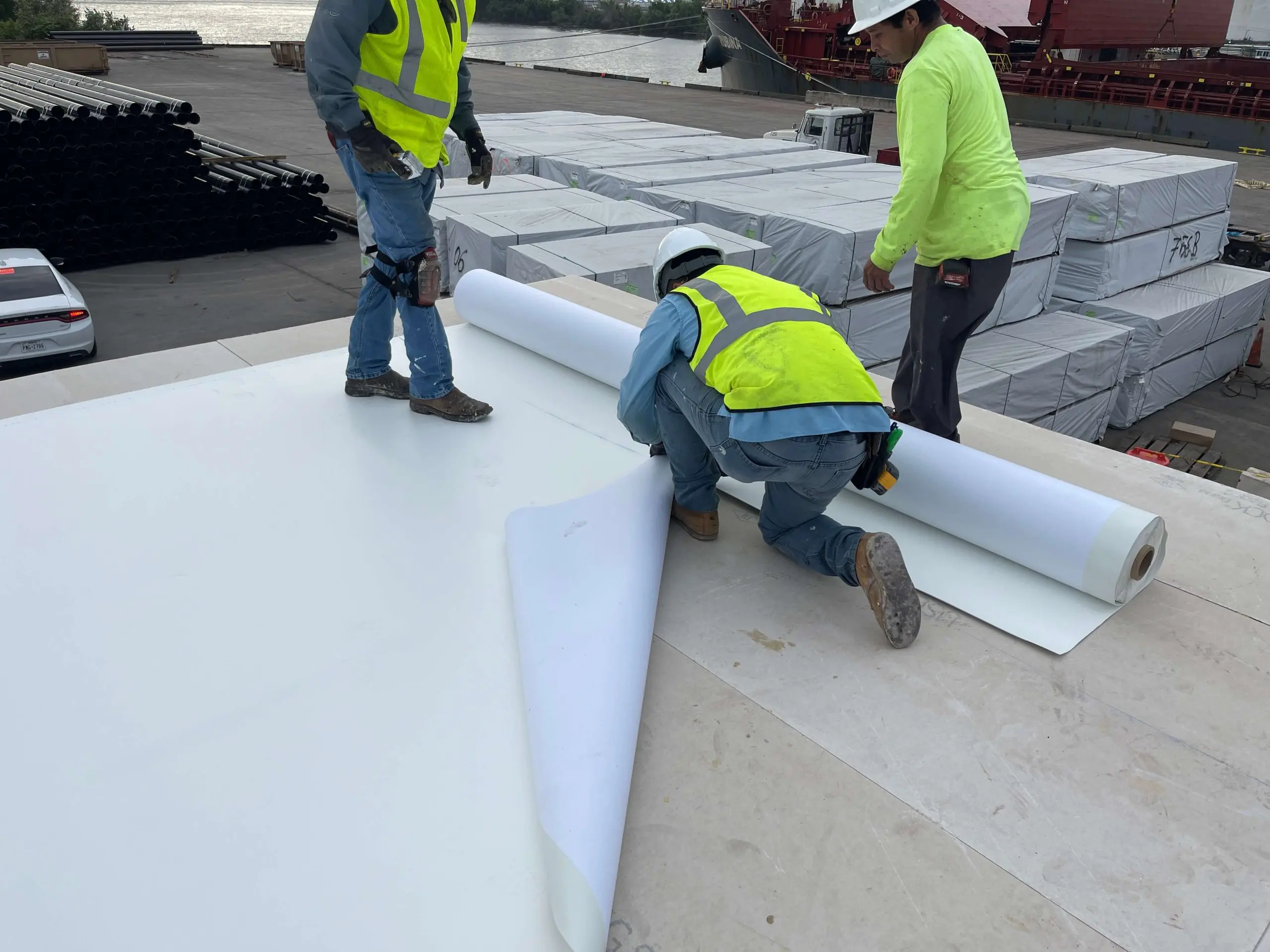
TPO Single-Ply Roofing
TPO Single-Ply Roofing support covers access, staging, drainage, and roof traffic for Chattanooga commercial buildings.
 Roof Work
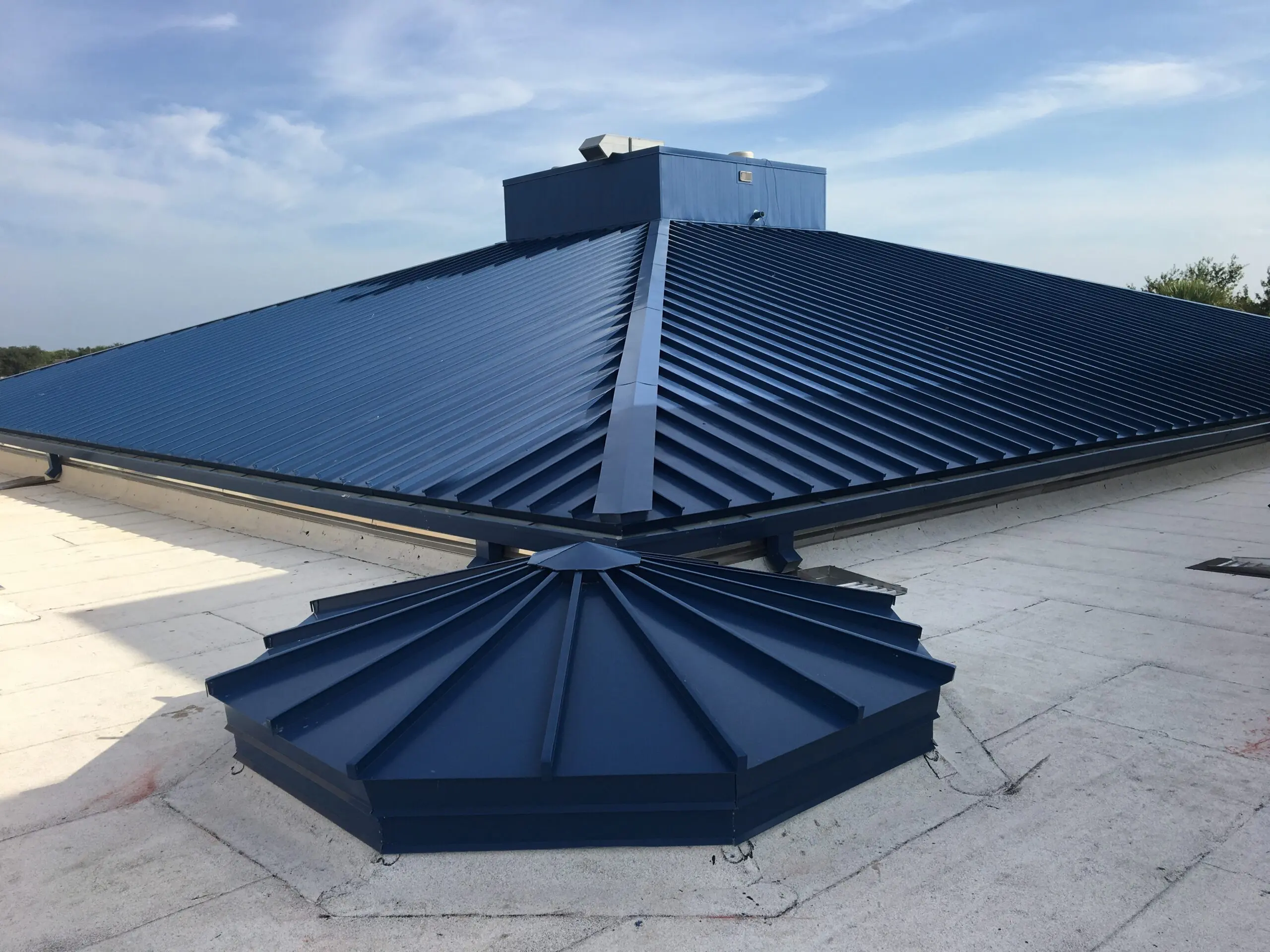
Standing Seam Metal Roofing
Standing Seam Metal Roofing support covers tenant communication, rooftop equipment, and dry-in timing for Chattanooga commercial buildings.
 Roof Work
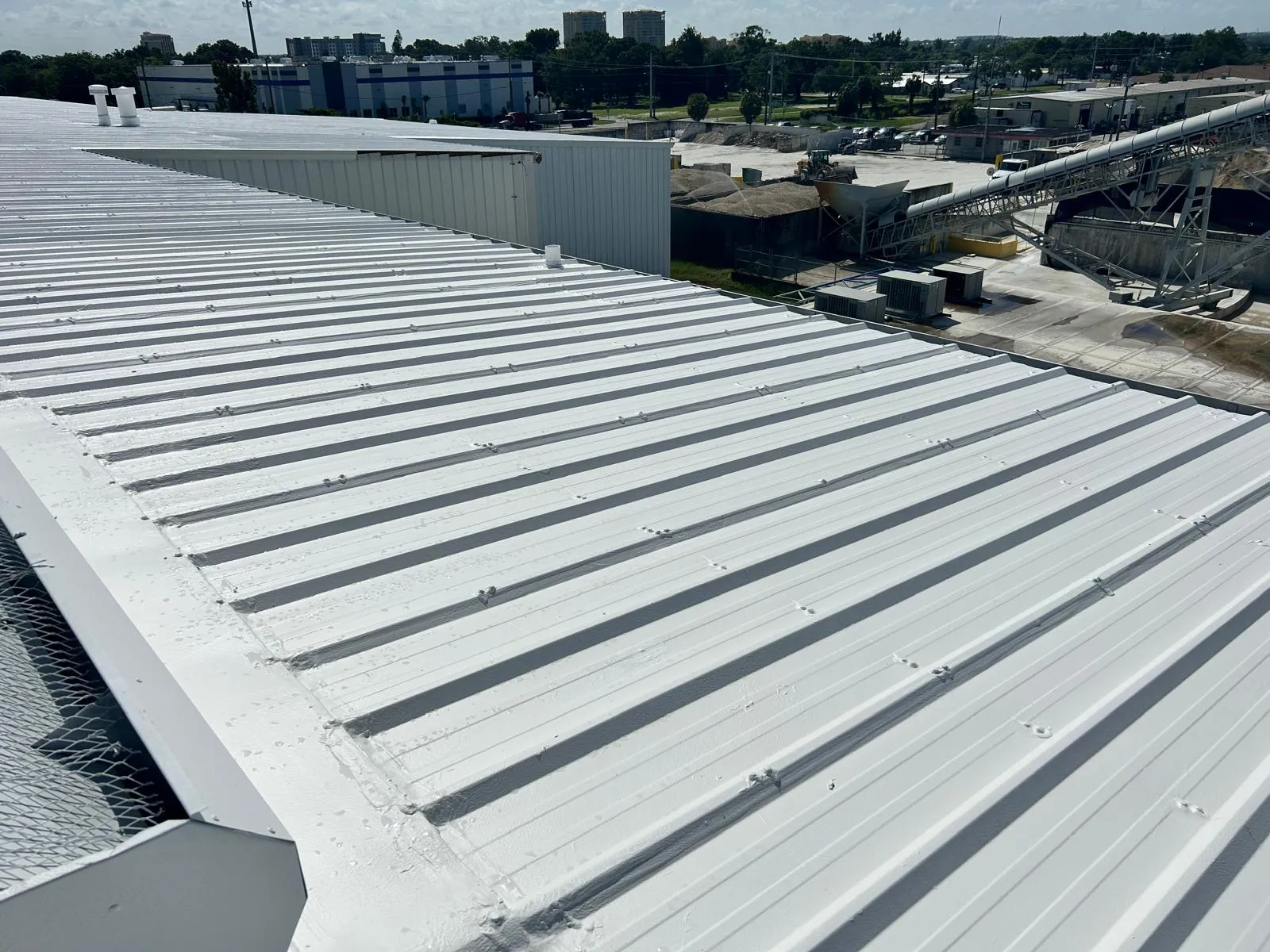
Energy-Efficient Cool Roof Installation
Energy-Efficient Cool Roof Installation support covers moisture review, edge conditions, and practical budget timing for Chattanooga commercial buildings.