
Multifamily and Apartment Building Roofing in Chattanooga, TN
Multifamily and Apartment Building Roofing starts with roof evidence before repair, restoration, recover, or replacement decisions are made.
Roof Work
Document the roof before choosing the scope
Roofing for apartment complexes, multifamily housing, and HOA-managed communities throughout Chattanooga, TN.
Chattanooga's renaissance over the past two decades has transformed the city from a rustbelt cautionary tale into a destination that national publications regularly cite as a model for mid-sized city revitalization. The riverfront redevelopment, the fiber internet infrastructure, the outdoor recreation economy centered on the Tennessee River and surrounding ridges, all of it has drawn an in-migration of remote workers, young professionals, and retirees that has put sustained pressure on Chattanooga's apartment market. North Shore, St. Elmo, Highland Park, and the Southside arts district have seen the most dramatic multifamily investment, while older garden-style complexes in East Brainerd, Hixson, and Red Bank continue to house the workforce that keeps the city running. For roofing contractors serving Hamilton County's multifamily sector, this bifurcated market means working on everything from newly constructed urban apartments to 1970s-era garden complexes that haven't seen a capital investment beyond paint in a decade.
The Cumberland Plateau's weather creates a specific roofing dynamic in Chattanooga that differs from both the Gulf Coast storm risk to the south and the mountain climate to the northeast. Spring severe weather tracks through the Tennessee Valley with regularity, and the combination of hail events, straight-line winds, and occasionally long-track tornado systems means that roofing damage claims in Hamilton County are a routine occurrence rather than a rare event. Apartment building owners in Chattanooga who carry replacement cost coverage and have documented maintenance programs are in a structurally better position when the spring severe weather season produces a damage event on their properties than owners who have deferred maintenance and lack pre-loss condition documentation.
Property management companies operating across the Greater Chattanooga market, firms managing complexes in both Hamilton and Bradley Counties, have increasingly adopted preventive roof maintenance programs as a standard service offering rather than an optional add-on. The economics of prevention versus repair are compelling when you can quantify them: a $2,500 annual preventive maintenance contract on a 50-unit apartment building prevents the $8,000 to $12,000 in average annual emergency repair costs that buildings without maintenance programs experience. Property managers who can demonstrate to their clients, many of whom are individual investors or small partnerships, not institutional operators, that the prevention math works in their favor are adding demonstrable value to the management relationship.
Real estate investors buying Chattanooga apartment properties through the current market cycle often focus on the in-migration story and the city's growing reputation, which is well-founded. What sometimes gets underprioritized in the excitement about Chattanooga's growth trajectory is the condition of the building stock relative to the acquisition price. Older apartment complexes in Alton Park or Avondale may carry capitalization rates that look attractive relative to coastal markets, but those cap rates may not adequately reflect the capital expenditure requirements on aging roofing systems, particularly when those systems have been through multiple severe weather events without proper assessment and repair. We perform pre-acquisition inspections specifically designed to quantify the deferred capital expenditure embedded in a building's current condition.
Chattanooga's multifamily buildings built in the 1960s and 1970s often have roofing system configurations that require careful structural evaluation before any replacement work begins. Wood deck substrates in older buildings sometimes have moisture damage from years of minor water infiltration, and a new membrane installation over a compromised deck is a warranty-voiding and potentially structurally risky approach. We perform deck soundness probes and core samples as part of every replacement project scope on Hamilton County buildings older than 35 years to ensure that the new roofing assembly has a structurally adequate substrate. This adds a line item to the project cost but prevents the scenario where a new membrane fails because the deck beneath it couldn't hold fasteners or developed additional deflection after the replacement.
The vacation rental conversion trend that has emerged in some Chattanooga neighborhoods, particularly in Lookout Mountain and Signal Mountain communities, creates an interesting category of multifamily roofing work that sits between residential and commercial standards. Single-family homes converted to short-term rental use fall outside our primary scope, but condominium buildings and townhome communities where individual units are managed as vacation rentals through HOA structures do involve commercial roofing decisions. The compressed utility and aesthetic requirements of short-term rental properties mean that HOA boards in these communities sometimes face pressure to prioritize visible exterior improvements over capital maintenance items like roofing, a prioritization that creates long-term problems for boards that are accountable to both resident owners and rental investors in the same community.
The creative placemaking economy that has made Chattanooga's adaptive reuse projects nationally recognized, the Warehouse Row retail and event campus, the conversion of manufacturing buildings along Main Street, extends into the residential market through loft apartment conversions of older industrial buildings. These conversions present unusual roofing challenges: industrial building roof structures weren't designed with residential occupant comfort expectations in mind, and the roofing systems from the industrial era are frequently beyond serviceable life when a conversion project begins. Structural steel and concrete deck buildings typically receive TPO or EPDM membrane systems in these conversions, but the insulation assembly needs to be designed to prevent thermal bridging through the structural deck that would create ceiling temperature complaints from tenants in top-floor units.
Tennessee's multifamily insurance market has tightened in ways that Hamilton County property owners are navigating. Carriers offering competitive pricing in the Tennessee Valley have become more selective, and the buildings that maintain insurance availability on favorable terms tend to share common characteristics: documented maintenance histories, current roof inspection reports, evidence of proactive repair rather than reactive patch work, and physical building conditions that don't exhibit deferred maintenance patterns. Property managers who can produce a three-year maintenance file for a building, showing annual inspections, documented repairs, and evidence of preventive work, give insurers the risk profile information that supports competitive policy terms.
For multifamily investors evaluating Chattanooga from markets like Nashville, Atlanta, or even out-of-state, the local roofing cost environment is worth understanding before finalizing acquisition underwriting. Chattanooga's contractor market is more limited in capacity than larger Tennessee metros, and competition for qualified commercial roofing contractors, particularly those with extensive multifamily experience, can affect project scheduling and pricing during peak demand periods. We build realistic scheduling timelines into project commitments and communicate proactively when market conditions affect our capacity, which helps property managers plan their capital improvement programs with accurate assumptions about project timing.
What information should we send before a Multifamily and Apartment Building Roofing roof walk?
Before a Multifamily and Apartment Building Roofing roof walk, send the building location, roof age if known, roof access instructions, leak photos, tenant restrictions, and prior roof reports. Those details let us shape the inspection around the actual roof problem instead of arriving with a generic checklist.
Can Multifamily and Apartment Building Roofing be handled while the building stays occupied?
For Multifamily and Apartment Building Roofing, occupied-building work depends on access, odor, noise, staging room, weather exposure, and how much roof must be opened at one time. We phase the work around dry-in, tenant protection, loading paths, and the operating schedule below the roof.
How do we compare repair, coating, recover, and replacement for Multifamily and Apartment Building Roofing?
For Multifamily and Apartment Building Roofing, we compare moisture evidence, layer count, deck condition, drainage, age, storm exposure, roof traffic, and future use before naming a scope. That evidence is what separates a repair file from a restoration plan, a recover option, or a replacement budget.
Do you promise manufacturer certification or insurance approval for Multifamily and Apartment Building Roofing?
For Multifamily and Apartment Building Roofing, we do not invent credentials, promise claim outcomes, or write warranty language before the facts support it. We document conditions, identify manufacturer or carrier questions, and keep recommendations tied to reviewable roof evidence.
What makes Chattanooga planning different for Multifamily and Apartment Building Roofing?
Chattanooga planning for Multifamily and Apartment Building Roofing has to account for downtown access, UTC and hospital-area traffic, Enterprise South and Centre South Riverport industrial corridors, humid Tennessee Valley heat, severe thunderstorms, hail, freeze-thaw movement, leaf debris, and wind-driven rain.
- EPDM Commercial Roofing
- New Construction Roofing
- Hail Damage Restoration
- Church Roofing
- Hotel Roofing
- KEE Single Ply Roofing
- Energy Efficient Cool Roof Installation
- Office Building Roofing
Planning checkpoints
From urgent response to responsible scope
Condition
Multifamily and Apartment Building Roofing work starts with the affected roof area, water path, membrane condition, and interior evidence.
Operations
Work windows, tenant protection, loading paths, and safety expectations need to be named early.
Options
Repair, maintenance, coating, recover, and replacement should be compared without blurring the tradeoffs.
Next Step
A concise field record helps ownership decide what needs immediate action and what belongs in planning.
Related roof paths
Keep exploring
 Roof Work
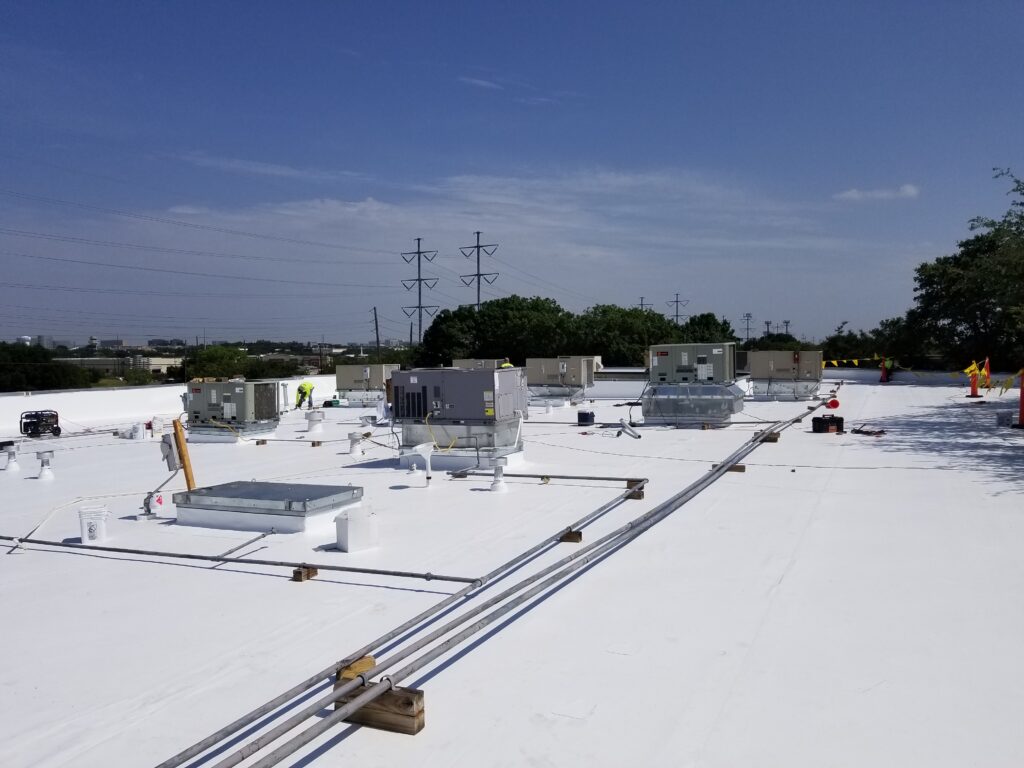
EPDM Commercial Roofing
EPDM Commercial Roofing support covers access, staging, drainage, and roof traffic for Chattanooga commercial buildings.
 Roof Work
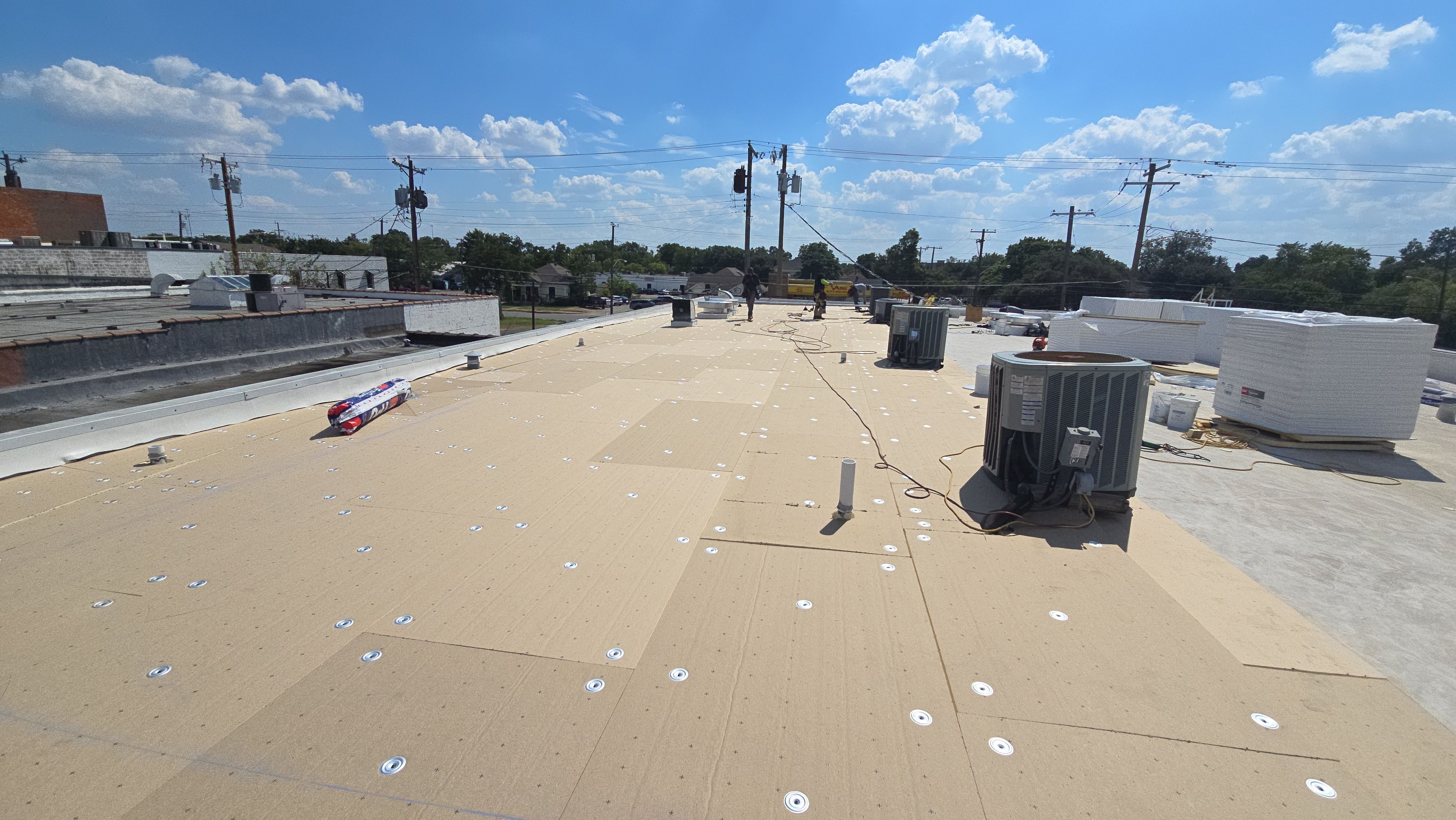
New Construction Roofing
New Construction Roofing support covers tenant communication, rooftop equipment, and dry-in timing for Chattanooga commercial buildings.
 Roof Work
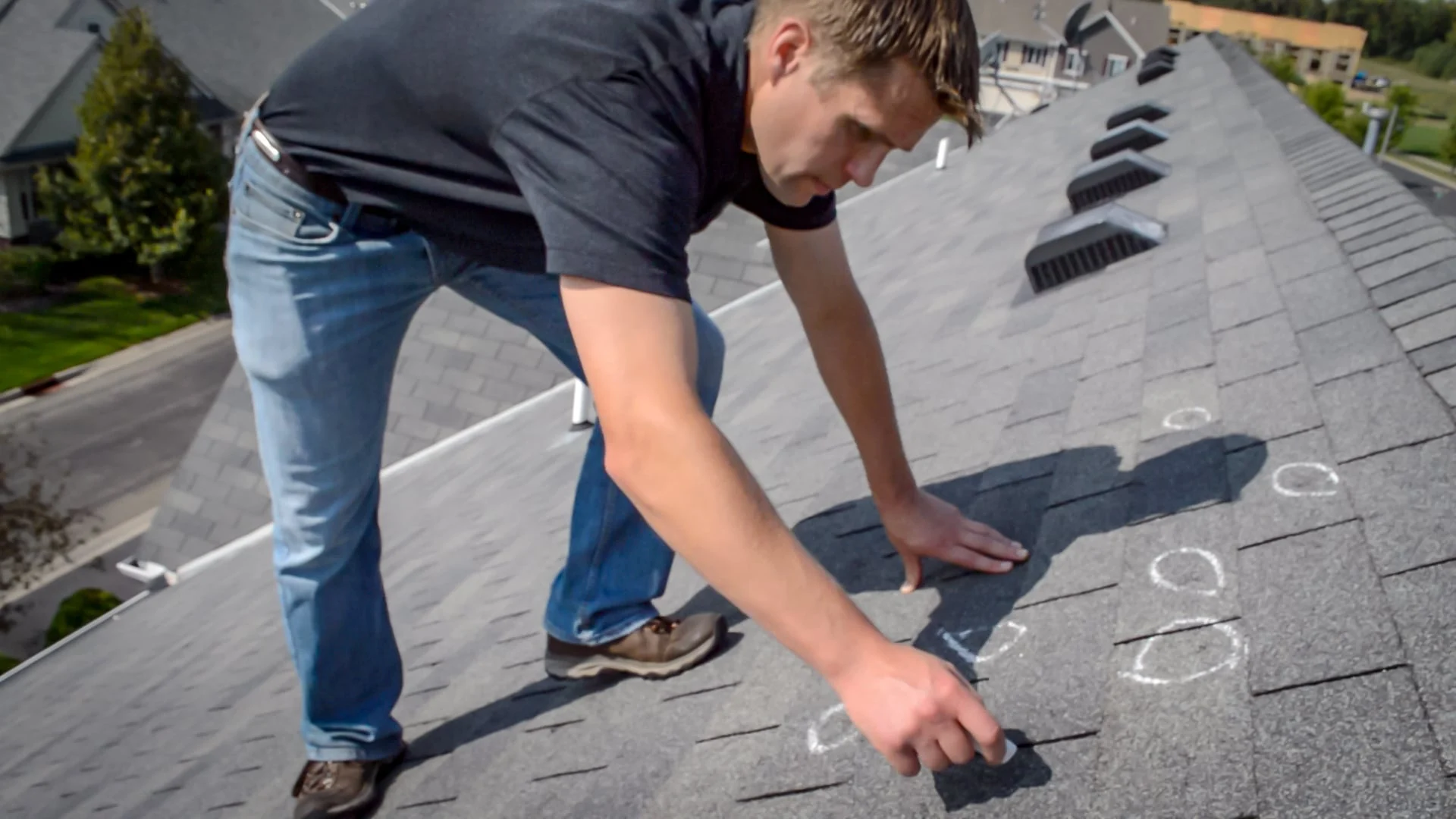
Hail Damage Restoration
Hail Damage Restoration support covers moisture review, edge conditions, and practical budget timing for Chattanooga commercial buildings.