
Manufacturing Facility Roofing in Chattanooga, TN
Manufacturing Facility Roofing starts with roof evidence before repair, restoration, recover, or replacement decisions are made.
Roof Work
Document the roof before choosing the scope
Commercial roofing for manufacturing plants, assembly facilities, and industrial buildings throughout Chattanooga, TN.
Volkswagen's assembly plant in Chattanooga, the only VW production facility in North America, is the anchor of a manufacturing ecosystem that has transformed Hamilton County's economy over the past fifteen years. The plant itself demands sophisticated roofing services: large process ventilation arrays over the body shop and paint hall, extensive skylights over the final assembly line, and a corporate sustainability mandate that has placed the facility among the most energy-efficient automotive plants in the country. But the VW campus is surrounded by hundreds of smaller manufacturers, metal fabricators, and logistics operations across the Chattanooga metro whose roofing needs are equally complex, if less well-publicized.
Chattanooga's position in a river valley surrounded by ridges creates a local microclimate that affects roofing performance in ways that generic regional specifications may miss. The Tennessee River valley tends to trap humidity, and the temperature inversions that occur in autumn and winter create extended periods of condensation on roof surfaces and within roof assemblies. Moisture management in Chattanooga manufacturing roofs requires vapor retarder specifications that are more aggressive than those used in drier inland markets, and insulation products should be selected for their resistance to performance degradation when exposed to elevated moisture conditions.
Vibration from Chattanooga's diverse industrial base, automotive assembly, specialty chemicals, food processing, and defense manufacturing, spans a wide range of frequencies and amplitudes. Equipment like robotic welding cells generates rapid, low-amplitude vibration that is continuous during production hours; large stamping presses generate high-amplitude impulse vibration at lower frequency. A roofing contractor assessing a Chattanooga manufacturing facility should understand which equipment type dominates the vibration profile in each building zone and select attachment methods and membrane systems accordingly. The same membrane may be appropriate for both, but the attachment density and seam reinforcement protocols may differ.
Chemical exposure at Chattanooga's specialty chemicals sector, which includes operations along the river corridor that have been part of the regional economy for generations, creates some of the most demanding membrane compatibility challenges in the Southeast. Chlorine compounds, caustic soda, and various organic solvents are produced or used at facilities throughout Hamilton County. Contractors who work in this segment of the Chattanooga market must be prepared to specify non-standard membrane systems, sometimes from limited availability product lines, and to document the chemical compatibility analysis that supports each specification decision.
Skylights at Chattanooga's automotive supplier and aerospace manufacturing facilities serve both daylighting and ventilation functions, and they are frequently the largest single category of maintenance expense on the roof. The combination of high production-floor heat loads, chemical vapor exposure, and thermal cycling creates aggressive conditions for skylight assemblies. Polycarbonate panels that carry a ten-year warranty from the manufacturer may reach the end of their serviceable life in seven years in a Chattanooga automotive paint shop environment. Replacement intervals should be planned accordingly, and skylight condition should be formally assessed as part of every annual roof inspection.
Particulate management at Chattanooga's metal fabrication and casting operations requires drain systems designed for heavy loading. Iron fines from machining and grinding operations, metallic dust from castings finishing, and scale from heat treatment operations all accumulate at drain bowls and scupper openings and can block drainage in a single heavy rain event. Specifying industrial-grade strainer baskets sized for the anticipated particulate load, combined with documented quarterly cleaning schedules, is the minimum maintenance program for metal fabrication facilities in the Chattanooga market.
Production schedule coordination at Chattanooga manufacturing plants is influenced by the competitive pressure that automotive suppliers face from their OEM customers. A missed delivery commitment caused by a roofing-related production interruption is not simply an inconvenience, it can trigger financial penalties and long-term supply agreement consequences. Roofing contractors serving Chattanooga's automotive supply chain must understand this dynamic and must plan and execute their work with a discipline that matches the production environment they are working in.
Load-bearing assessment at older Chattanooga industrial buildings along the river corridor is especially important because many of these structures were built for heavy process equipment that has since been removed. Remaining deck systems may show evidence of previous overloading, permanent deflection, cracked concrete at column bases, or distorted steel decking profiles, that must be evaluated before new rooftop equipment is added. A structural engineer familiar with Chattanooga's industrial building stock should be part of the assessment team at any facility where the original equipment loads exceeded typical commercial construction parameters.
Warranty coordination for Chattanooga manufacturing roofs should reflect the local climate's moisture challenge. Manufacturer warranties that exclude damage from sustained condensation or vapor drive infiltration may be effectively worthless at a Chattanooga facility where these are endemic conditions rather than exceptional events. Contractors should negotiate warranty language with membrane manufacturers that acknowledges local climate conditions and documents the vapor retarder system that was installed to manage moisture loads throughout the warranty period.
What information should we send before a Manufacturing Facility Roofing roof walk?
Before a Manufacturing Facility Roofing roof walk, send the building location, roof age if known, roof access instructions, leak photos, tenant restrictions, and prior roof reports. Those details let us shape the inspection around the actual roof problem instead of arriving with a generic checklist.
Can Manufacturing Facility Roofing be handled while the building stays occupied?
For Manufacturing Facility Roofing, occupied-building work depends on access, odor, noise, staging room, weather exposure, and how much roof must be opened at one time. We phase the work around dry-in, tenant protection, loading paths, and the operating schedule below the roof.
How do we compare repair, coating, recover, and replacement for Manufacturing Facility Roofing?
For Manufacturing Facility Roofing, we compare moisture evidence, layer count, deck condition, drainage, age, storm exposure, roof traffic, and future use before naming a scope. That evidence is what separates a repair file from a restoration plan, a recover option, or a replacement budget.
Do you promise manufacturer certification or insurance approval for Manufacturing Facility Roofing?
For Manufacturing Facility Roofing, we do not invent credentials, promise claim outcomes, or write warranty language before the facts support it. We document conditions, identify manufacturer or carrier questions, and keep recommendations tied to reviewable roof evidence.
What makes Chattanooga planning different for Manufacturing Facility Roofing?
Chattanooga planning for Manufacturing Facility Roofing has to account for downtown access, UTC and hospital-area traffic, Enterprise South and Centre South Riverport industrial corridors, humid Tennessee Valley heat, severe thunderstorms, hail, freeze-thaw movement, leaf debris, and wind-driven rain.
- Occupied Building Reroofing
- Modified Bitumen Roofing
- Commercial Roof Repair
- Skylight Penetration Flashing
- Self Storage Roofing
- Solar Roof Integration
- Roof Recover Overlay
- Warehouse Roofing
Planning checkpoints
From urgent response to responsible scope
Condition
Manufacturing Facility Roofing work starts with the affected roof area, water path, membrane condition, and interior evidence.
Operations
Work windows, tenant protection, loading paths, and safety expectations need to be named early.
Options
Repair, maintenance, coating, recover, and replacement should be compared without blurring the tradeoffs.
Next Step
A concise field record helps ownership decide what needs immediate action and what belongs in planning.
Related roof paths
Keep exploring
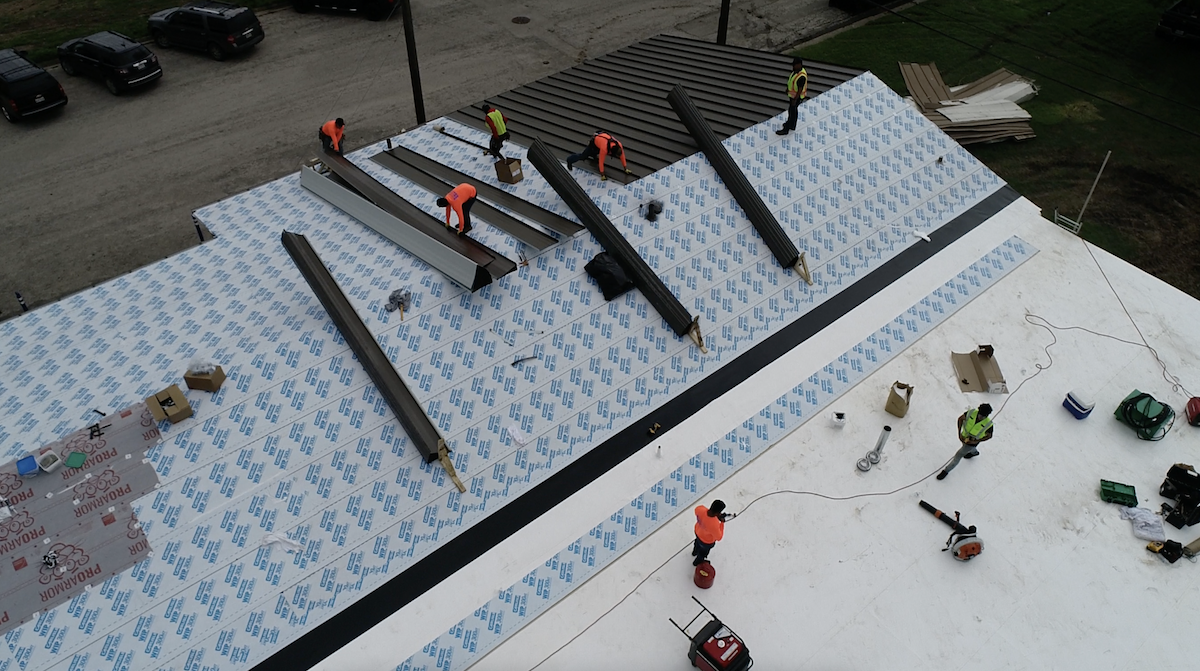 Roof Work
Occupied Building Re-Roofing
Occupied Building Re-Roofing support covers access, staging, drainage, and roof traffic for Chattanooga commercial buildings.
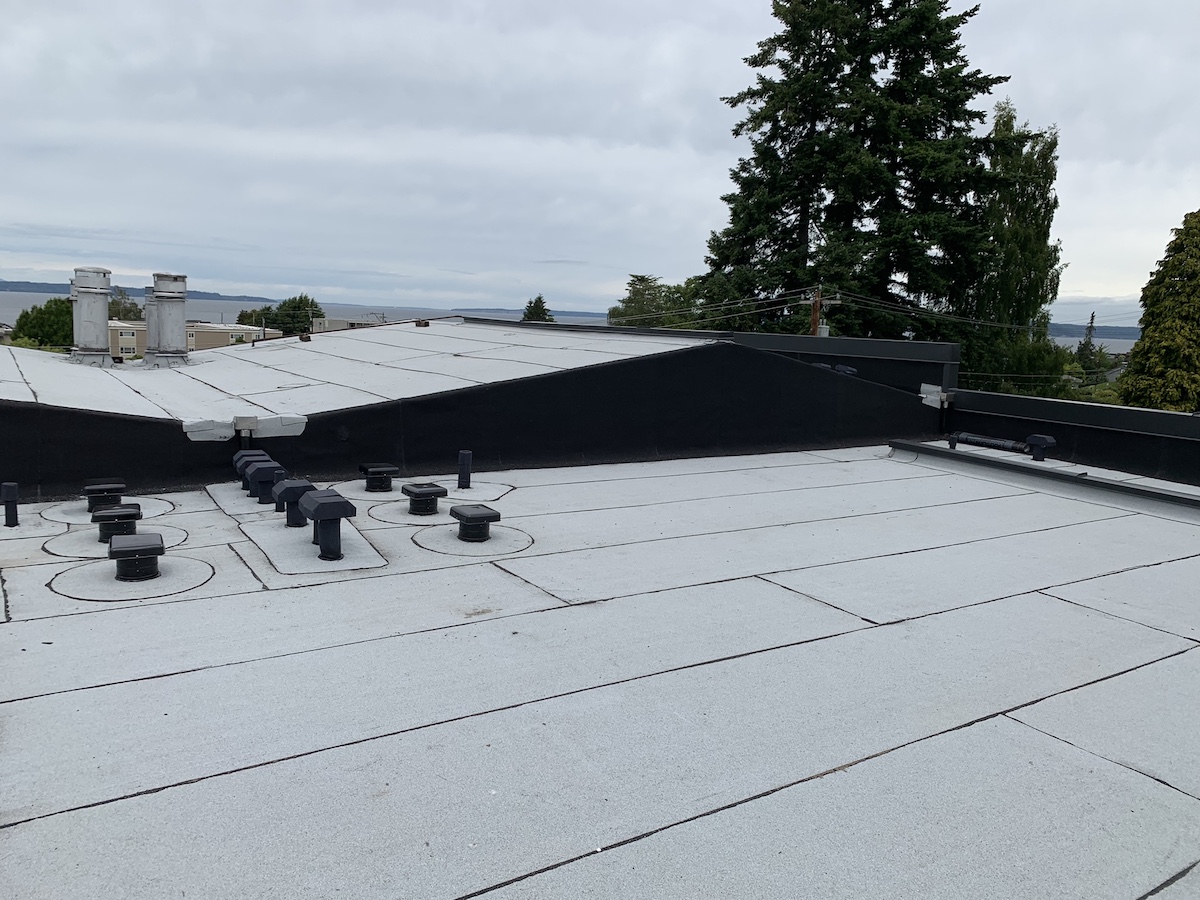 Roof Work
Modified Bitumen Roofing
Modified Bitumen Roofing support covers tenant communication, rooftop equipment, and dry-in timing for Chattanooga commercial buildings.
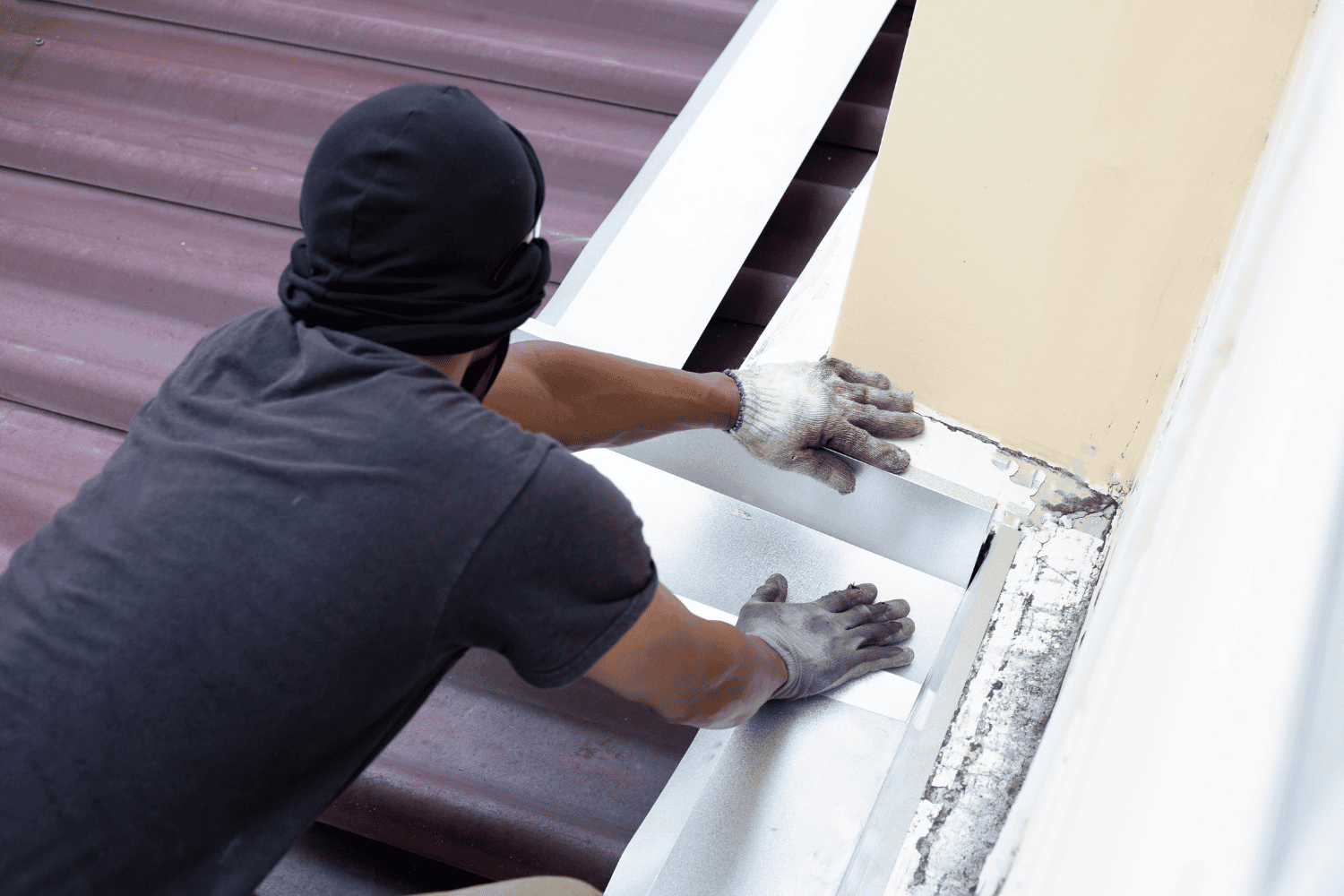 Roof Work
Commercial Roof Repair
Commercial Roof Repair support covers moisture review, edge conditions, and practical budget timing for Chattanooga commercial buildings.