
Hotel and Hospitality Property Roofing in Chattanooga, TN
Hotel and Hospitality Property Roofing starts with roof evidence before repair, restoration, recover, or replacement decisions are made.
Roof Work
Document the roof before choosing the scope
Commercial roofing for full-service hotels, limited-service hotels, extended-stay properties, and hospitality brands throughout Chattanooga, TN.
Chattanooga occupies an unusual position in the national hotel landscape: a mid-size Tennessee city that punches well above its weight in tourism, drawing outdoor recreation visitors to Lookout Mountain, Rock City, and the Tennessee River Gorge, conference delegates to the Chattanooga Convention Center, and the growing wave of remote workers and retirees drawn by the city's famously affordable quality of life and its claim as one of the first US cities with city-wide gigabit internet. The hotel market that has developed to serve this diverse demand base, ranging from boutique properties in the Southside and North Shore neighborhoods to nationally branded full-service hotels adjacent to the Tennessee Aquarium on the riverfront, faces roofing demands shaped by the Southern Appalachian climate, where hot and humid summers, significant annual rainfall of around 53 inches, and the occasional severe winter ice storm create a year-round roofing stress environment that deserves more systematic attention than many smaller-market operators give it.
The riverfront and downtown Chattanooga hotel corridor has seen significant reinvestment over the past decade, and properties that underwent cosmetic renovations during that period while deferring roofing capital expenditure are now reaching a condition threshold where brand PIPs, lender covenant compliance, and simply keeping the building dry are all pushing toward roofing action simultaneously. For properties enrolled in Hilton's various brand tiers, Marriott's Tribute portfolio, or IHG's boutique and select-service collections, a PIP cycle triggered by franchise renewal or flag change will include a roofing section that specifies minimum membrane warranty duration, acceptable systems, and documentation requirements. Completing the PIP roofing scope on time in Chattanooga requires engaging a contractor who can navigate the city's building permit process, which is handled through the Chattanooga-Hamilton County Regional Planning Agency, with lead times that can run four to six weeks for commercial projects.
Chattanooga's hotel market during the outdoor recreation peak season, which runs from April through October for the climbing, hiking, and water sports visitors who come for the Tennessee River Gorge and the surrounding national forest lands, creates the same operational constraint that every tourism-dependent market faces: the period when the weather is best for roofing work is also the period when the hotel cannot afford to have construction activity affecting guest experience. The solution that works in Chattanooga is typically a hybrid schedule: completing as much of the roofing scope as possible in late October and early November before the weather deteriorates, and staging any remaining work for early March before the spring outdoor season crowds return to fill the riverfront hotels to 90 percent on weekends.
The Lookout Mountain and East Ridge hotel properties that capture overflow demand from the main tourist attractions face a different operational profile from the downtown riverfront hotels. These limited-service and extended-stay properties along the I-24 and I-75 corridors have flat industrial roofing profiles, straightforward drainage systems, and the advantage of lower land costs that make capital expenditure recovery more manageable. However, their suburban locations also mean they are more exposed to the severe thunderstorms and occasional tornado activity that affects the Chattanooga Valley, and roof assemblies that meet minimum wind uplift requirements, but not the enhanced specifications recommended for properties in the broader Tennessee River Valley's convective storm zone, are an unnecessary risk exposure.
The Chattanooga Choo Choo complex, the Dwell Hotel, and other adaptive reuse hotel properties in the city's historic structures present the full range of roofing complexity that comes with buildings never designed for hotel occupancy. Barrel vault roofs, skylights over atrium restaurant spaces, and historic masonry parapets in various states of repair require a contractor who approaches the diagnostic phase carefully before committing to a scope. Water intrusion in a historic hotel is rarely traceable to a single obvious failure; it is usually the product of multiple interacting deficiencies, a lapped seam that has lost adhesion, a parapet joint that has opened over two freeze-thaw seasons, and a gutter that overflows during heavy rain, that combine to route water to a single visible interior manifestation. Treating only the visible symptom without resolving all contributing causes produces a temporary fix and a frustrated owner.
The Chattanooga Marriott at the Convention Center and the other convention-oriented properties adjacent to the Tennessee Aquarium face particular challenges in roof maintenance scheduling because the TPAC-managed convention calendar creates a year-round series of sold-out weekends around major events, from amateur sports tournaments at the UTC McKenzie Arena to national conventions at the Chattanooga Convention Center. For these properties, the hotel's sales team can often identify a reliable three-to-four-week window in late January or early February when the convention calendar is sparse and weekend occupancy drops to its annual low, and that window is the optimal target for any roofing work that will be audible on the upper guest floors.
Pool and spa roofing at Chattanooga's full-service properties requires attention to the chronic moisture challenge that indoor aquatic facilities create in the Southern Appalachian climate, where ambient outdoor humidity is already elevated during summer months. The thermal gradient across a pool enclosure roof in December or January, with 85-degree interior air meeting near-freezing outdoor temperatures, creates the vapor pressure conditions that migrate moisture into the assembly from below. A properly detailed vapor retarder, placed on the warm side of the insulation, is the only reliable defense against this moisture pathway. Properties where the pool enclosure roof was designed without a vapor retarder, or where the retarder has been compromised by penetrations or repairs, should expect accelerating insulation performance degradation and should plan proactively for roof assembly correction.
Preventive maintenance programs for Chattanooga hotel roofs, encompassing spring and fall inspections, drain clearing, seam and flashing condition audits, and photographic documentation of any deterioration, deliver a return that is easy to quantify: extending the service life of a roof that might otherwise reach failure at year fifteen out to year eighteen or twenty represents a capital expenditure deferral of meaningful size for a hotel's ownership group. The documentation component is also increasingly important for hotel owners who report to institutional partners or lenders, as evidence of a systematic maintenance program supports the roof's estimated remaining useful life figure in property condition assessments used for loan compliance and asset valuation.
Chattanooga's hotel market has attracted increasing interest from Nashville-based hotel investment groups who see the city's tourism fundamentals as undervalued relative to its larger neighbor. These investors bring financial discipline that tends to produce more systematic roofing capital planning than the individual owner-operator model that has historically dominated the Chattanooga hotel market. As institutional capital continues to flow into the market, roofing contractors who can provide professional condition reports, work with asset managers at arm's length from the property, and perform to national warranty standards will increasingly have an advantage over purely local alternatives.
What information should we send before a Hotel and Hospitality Property Roofing roof walk?
Before a Hotel and Hospitality Property Roofing roof walk, send the building location, roof age if known, roof access instructions, leak photos, tenant restrictions, and prior roof reports. Those details let us shape the inspection around the actual roof problem instead of arriving with a generic checklist.
Can Hotel and Hospitality Property Roofing be handled while the building stays occupied?
For Hotel and Hospitality Property Roofing, occupied-building work depends on access, odor, noise, staging room, weather exposure, and how much roof must be opened at one time. We phase the work around dry-in, tenant protection, loading paths, and the operating schedule below the roof.
How do we compare repair, coating, recover, and replacement for Hotel and Hospitality Property Roofing?
For Hotel and Hospitality Property Roofing, we compare moisture evidence, layer count, deck condition, drainage, age, storm exposure, roof traffic, and future use before naming a scope. That evidence is what separates a repair file from a restoration plan, a recover option, or a replacement budget.
Do you promise manufacturer certification or insurance approval for Hotel and Hospitality Property Roofing?
For Hotel and Hospitality Property Roofing, we do not invent credentials, promise claim outcomes, or write warranty language before the facts support it. We document conditions, identify manufacturer or carrier questions, and keep recommendations tied to reviewable roof evidence.
What makes Chattanooga planning different for Hotel and Hospitality Property Roofing?
Chattanooga planning for Hotel and Hospitality Property Roofing has to account for downtown access, UTC and hospital-area traffic, Enterprise South and Centre South Riverport industrial corridors, humid Tennessee Valley heat, severe thunderstorms, hail, freeze-thaw movement, leaf debris, and wind-driven rain.
- Built Up Roofing
- Commercial Roof Leak Repair
- Edge Metal Coping Gutters
- Self Storage Roofing
- Commercial Reroofing
- Commercial Roof Coatings
- Skylight Penetration Flashing
- Retail Roofing
Planning checkpoints
From urgent response to responsible scope
Condition
Hotel and Hospitality Property Roofing work starts with the affected roof area, water path, membrane condition, and interior evidence.
Operations
Work windows, tenant protection, loading paths, and safety expectations need to be named early.
Options
Repair, maintenance, coating, recover, and replacement should be compared without blurring the tradeoffs.
Next Step
A concise field record helps ownership decide what needs immediate action and what belongs in planning.
Related roof paths
Keep exploring
 Roof Work
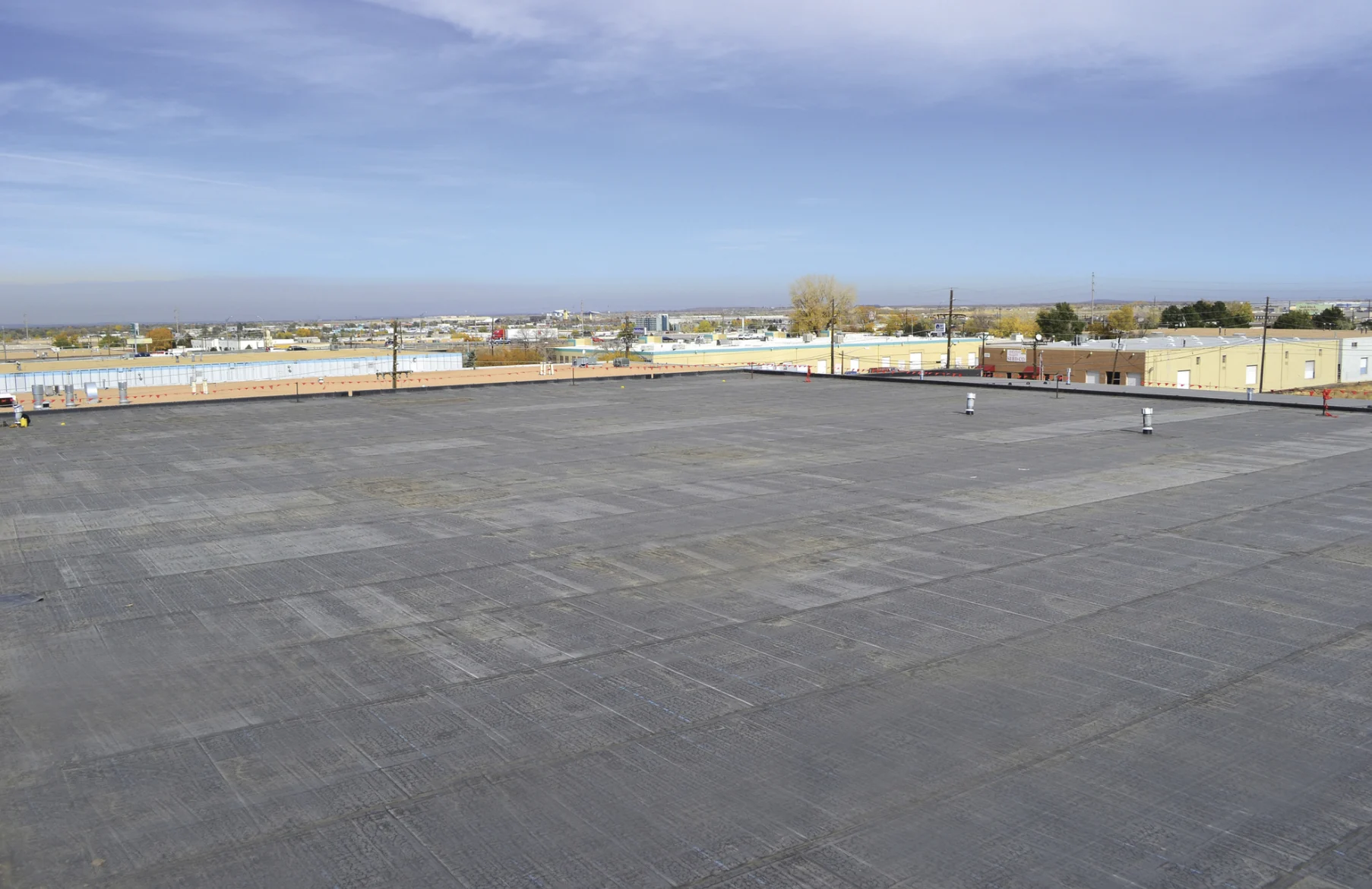
Built-Up Roofing
Built-Up Roofing support covers access, staging, drainage, and roof traffic for Chattanooga commercial buildings.
 Roof Work
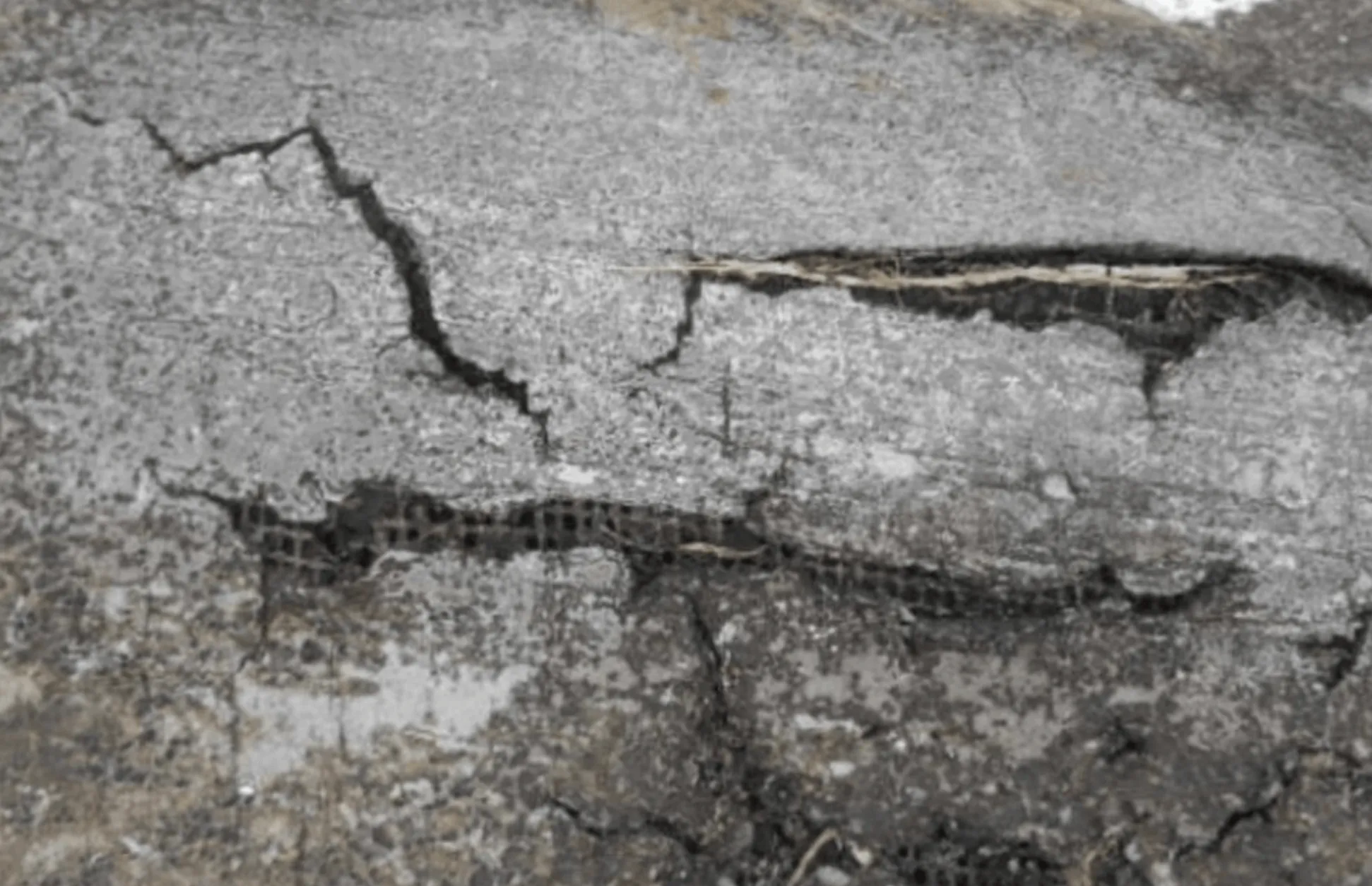
Commercial Roof Leak Repair
Commercial Roof Leak Repair support covers tenant communication, rooftop equipment, and dry-in timing for Chattanooga commercial buildings.
 Roof Work
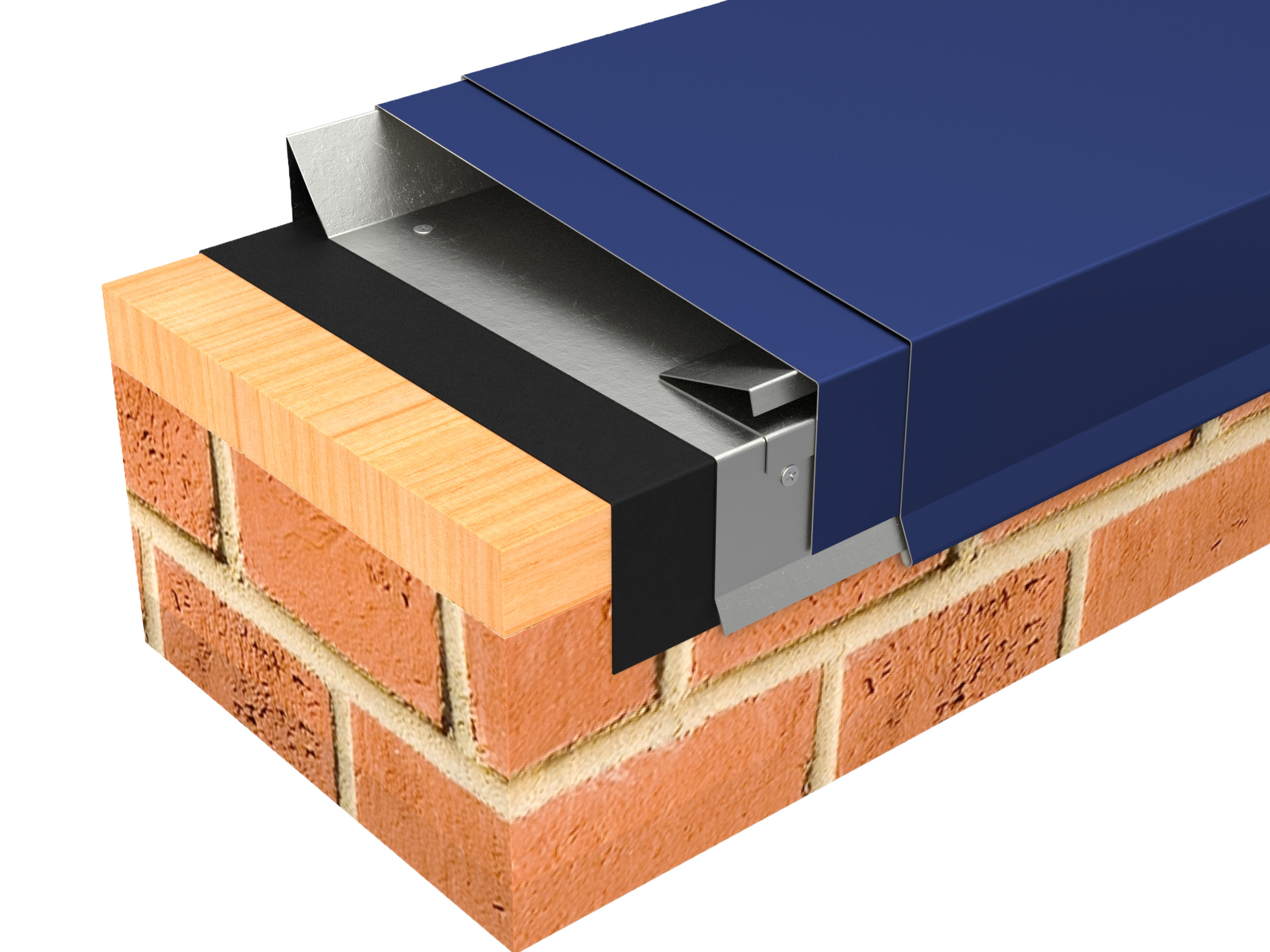
Edge Metal, Coping, and Gutters
Edge Metal, Coping, and Gutters support covers moisture review, edge conditions, and practical budget timing for Chattanooga commercial buildings.