
Government and Municipal Building Roofing in Chattanooga, TN
Government and Municipal Building Roofing starts with roof evidence before repair, restoration, recover, or replacement decisions are made.
Roof Work
Document the roof before choosing the scope
Commercial roofing for city halls, courthouses, fire stations, police stations, and public facilities throughout Chattanooga, TN.
Chattanooga's government building inventory stretches from the historic Hamilton County Courthouse on Georgia Avenue, a Beaux-Arts landmark whose copper-clad dome and slate dormers require restoration expertise uncommon in most commercial roofing firms, to the utilitarian concrete-block fire stations maintained by the Chattanooga Fire Department, the Chattanooga Police Service Center on Amnicola Highway, the City Hall and Municipal Building complex on Lindsay Street, and the Hamilton County-owned library branches and judicial facilities scattered across the Tennessee River valley. Each building type presents its own demands, but all share the common thread of public accountability that distinguishes government roofing work from private commercial projects.
The City of Chattanooga follows Tennessee procurement law and the city's own Code of Ordinances for publicly funded construction contracts. Roofing projects above the competitive bid threshold require sealed bids publicly advertised in the Chattanooga Times Free Press and on the city's online procurement portal. Hamilton County operates its own purchasing department with similar statutory requirements under Tennessee Code Annotated Title 5. Contractors must hold a valid Tennessee Contractor's License with an appropriate financial limits classification and must not appear on any state or federal debarment list. Our Tennessee contractor's license is current, our financial classification covers projects through the range of typical municipal roofing contracts, and our team monitors the Chattanooga and Hamilton County bid calendars to ensure we never miss an advertisement for a project within our capabilities.
Tennessee does not have a state prevailing wage law for locally funded public construction, but federal funding sources present in many Chattanooga civic improvement projects bring Davis-Bacon requirements into play. The Chattanooga Area Regional Transportation Authority receives federal transit grants that obligate Davis-Bacon compliance on its maintenance facility and park-and-ride roofing projects. HUD-funded improvements to Chattanooga Housing Authority facilities, FEMA Hazard Mitigation funds used after flood events in the Tennessee River basin, and EDA grants for public infrastructure all carry federal wage determination obligations. We maintain dedicated certified payroll procedures for federally funded work and train our field supervisors to post required wage determinations and employee rights notices at every job site where federal funds are involved.
Chattanooga's position in a river valley surrounded by Lookout Mountain, Signal Mountain, and the Cumberland Plateau creates a microclimate with specific implications for roofing system performance. The city averages over 50 inches of annual rainfall, and the valley topography can funnel thunderstorm systems that deliver intense precipitation in short periods. Flat and low-slope roofs on city buildings in the Southside and North Shore neighborhoods experience significant ponding risk if drainage infrastructure is not properly sized and maintained. We perform drainage analysis as part of every re-roofing assessment on Hamilton County and city buildings, modeling flow rates against existing drain capacities and recommending tapered insulation or supplemental overflow provisions where deficiencies exist.
The Hamilton County Courthouse and several older civic structures along Georgia Avenue and Broad Street hold National Register designations or are contributing structures within Chattanooga's downtown historic district. The Tennessee Historical Commission serves as the State Historic Preservation Office and must be consulted on any project using federal or state funds that affects a historic property's character-defining features. The Chattanooga-Hamilton County Regional Planning Agency also maintains design review authority in portions of the urban core. Our historic roofing team has worked on copper standing-seam restoration, Welsh slate matching for period-appropriate repair, and the documentation requirements that state and federal preservation programs require for eligible expenditures.
Occupied government buildings in Chattanooga present particular scheduling and logistics challenges. Fire stations on the department's 24-hour rotation cannot have roof access blocked during active calls. Police facilities require contractor screening and access badging before personnel can work above secured areas. The Hamilton County Juvenile Court building on East 11th Street operates on a court calendar that constrains noisy exterior work to specific hours and non-court days. Our project managers develop site-specific logistics plans for every government building, coordinate scheduling with the facility manager before mobilization, and adjust sequencing throughout construction to maintain the operational integrity of public services housed below the work area.
Bonding and insurance requirements for Chattanooga and Hamilton County public roofing contracts align with Tennessee's standard construction contract framework. Performance and payment bonds at 100% of contract value are required for projects above the bid threshold, and bid bonds of ten percent are typically required with the sealed bid submission. Commercial general liability coverage of $1 million per occurrence, umbrella liability, workers' compensation, and automobile liability must be maintained throughout the project, with the city or county named as additional insured. We carry insurance certificates structured to comply with Tennessee standard contract requirements and deliver them to the contracting officer before mobilization, never on the morning work is scheduled to begin.
Energy efficiency in Chattanooga's public building portfolio has become a greater priority following the city's sustainability planning process and Tennessee Valley Authority's commercial energy efficiency programs available to EPB Chattanooga commercial accounts. Government buildings qualifying as large commercial accounts can access TVA's EnergyRight Solutions program for roofing upgrades that improve thermal performance. Reflective membrane systems, increased insulation R-value, and improved air barrier detailing at penetrations all reduce cooling loads in Chattanooga's hot, humid summers. We document projected energy savings in our pre-bid assessments and provide the data facility managers need to support TVA incentive applications.
Chattanooga's government and municipal roofing market rewards contractors who bring the full package, technical expertise, regulatory compliance infrastructure, and the operational discipline to work inside active public facilities without disrupting services. From a leak repair on a Chattanooga Police Department precinct to a complete membrane replacement on a Hamilton County judicial building, every project we execute in this market is supported by the same commitment to documentation, compliance, and craftsmanship that public owners and the taxpayers they serve deserve.
What information should we send before a Government and Municipal Building Roofing roof walk?
Before a Government and Municipal Building Roofing roof walk, send the building location, roof age if known, roof access instructions, leak photos, tenant restrictions, and prior roof reports. Those details let us shape the inspection around the actual roof problem instead of arriving with a generic checklist.
Can Government and Municipal Building Roofing be handled while the building stays occupied?
For Government and Municipal Building Roofing, occupied-building work depends on access, odor, noise, staging room, weather exposure, and how much roof must be opened at one time. We phase the work around dry-in, tenant protection, loading paths, and the operating schedule below the roof.
How do we compare repair, coating, recover, and replacement for Government and Municipal Building Roofing?
For Government and Municipal Building Roofing, we compare moisture evidence, layer count, deck condition, drainage, age, storm exposure, roof traffic, and future use before naming a scope. That evidence is what separates a repair file from a restoration plan, a recover option, or a replacement budget.
Do you promise manufacturer certification or insurance approval for Government and Municipal Building Roofing?
For Government and Municipal Building Roofing, we do not invent credentials, promise claim outcomes, or write warranty language before the facts support it. We document conditions, identify manufacturer or carrier questions, and keep recommendations tied to reviewable roof evidence.
What makes Chattanooga planning different for Government and Municipal Building Roofing?
Chattanooga planning for Government and Municipal Building Roofing has to account for downtown access, UTC and hospital-area traffic, Enterprise South and Centre South Riverport industrial corridors, humid Tennessee Valley heat, severe thunderstorms, hail, freeze-thaw movement, leaf debris, and wind-driven rain.
- Spray Foam Roofing
- Commercial Roof Inspection
- Roof Drains Scuppers
- Office Building Roofing
- Occupied Building Reroofing
- R Panel Metal Roofing
- Edge Metal Coping Gutters
- Hotel Roofing
Planning checkpoints
From urgent response to responsible scope
Condition
Government and Municipal Building Roofing work starts with the affected roof area, water path, membrane condition, and interior evidence.
Operations
Work windows, tenant protection, loading paths, and safety expectations need to be named early.
Options
Repair, maintenance, coating, recover, and replacement should be compared without blurring the tradeoffs.
Next Step
A concise field record helps ownership decide what needs immediate action and what belongs in planning.
Related roof paths
Keep exploring
 Roof Work
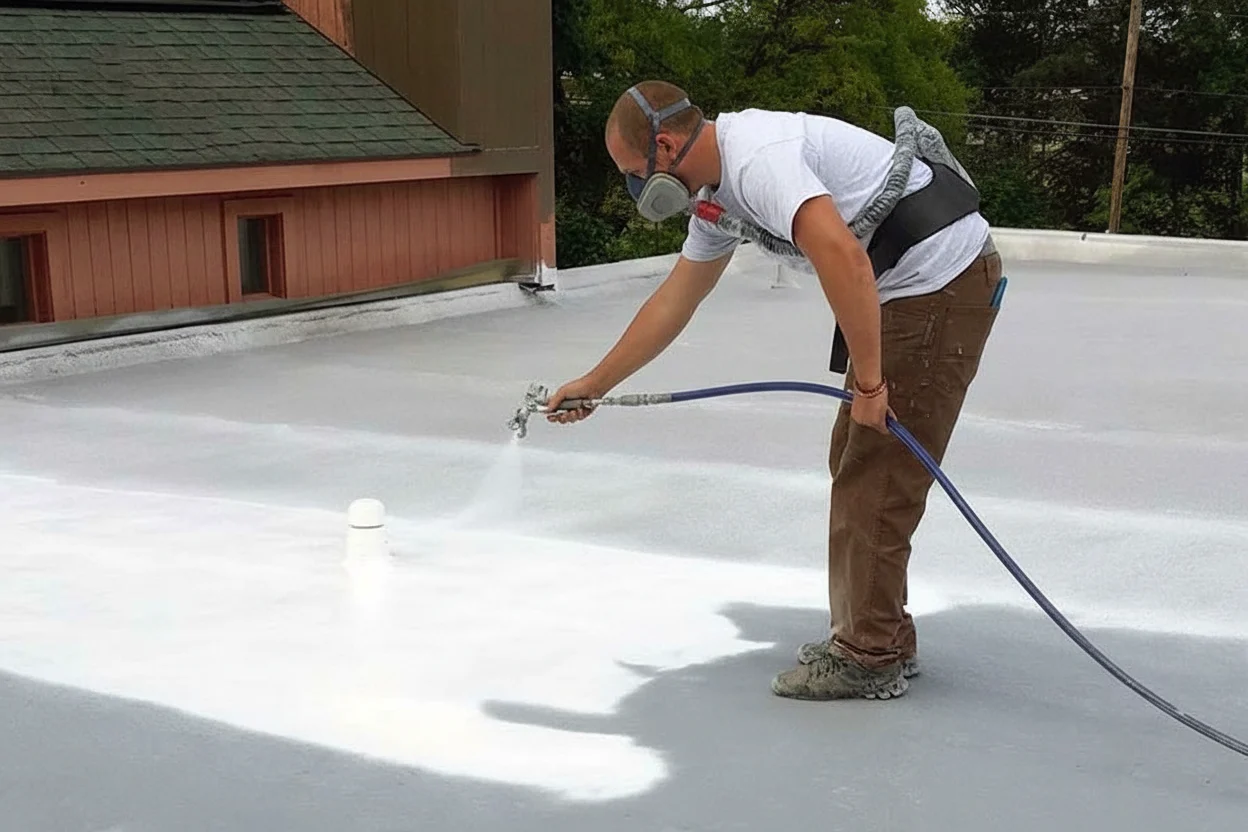
Spray Foam Roofing
Spray Foam Roofing support covers access, staging, drainage, and roof traffic for Chattanooga commercial buildings.
 Roof Work
Commercial Roof Inspection
Commercial Roof Inspection support covers tenant communication, rooftop equipment, and dry-in timing for Chattanooga commercial buildings.
 Roof Work
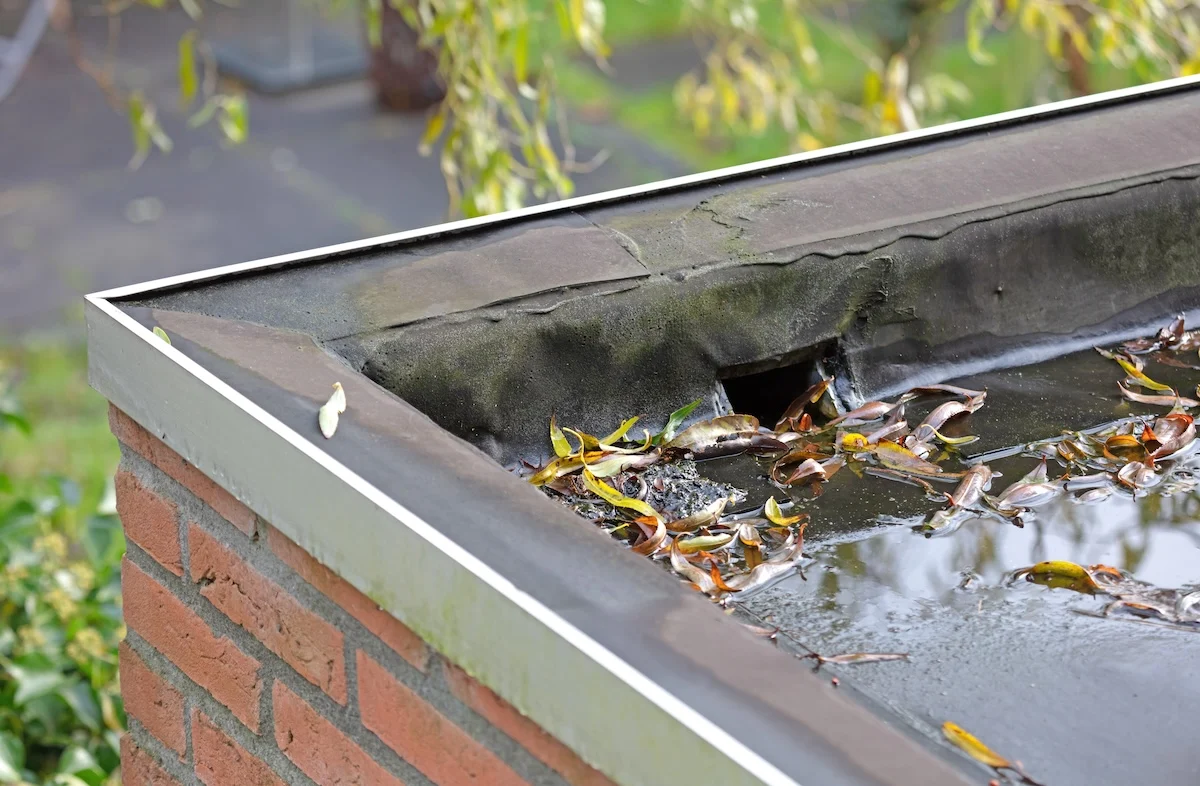
Roof Drains and Scuppers
Roof Drains and Scuppers support covers moisture review, edge conditions, and practical budget timing for Chattanooga commercial buildings.