
Auto Dealership Roofing in Chattanooga, TN
Auto Dealership Roofing starts with roof evidence before repair, restoration, recover, or replacement decisions are made.
Roof Work
Document the roof before choosing the scope
Commercial roofing for auto dealerships, car lots, service centers, and automotive facilities throughout Chattanooga, TN.
Chattanooga's automotive retail market is served by established local and regional dealer groups including the Hutton Companies, which operates multiple franchise locations across Hamilton County and surrounding Tennessee communities in facilities that represent significant investments in OEM-compliant showrooms and service infrastructure. Chattanooga dealers operate in a climate that combines hot, humid summers, occasional winter ice storms, and the severe weather that periodically moves through the Tennessee Valley corridor, conditions that make roofing system selection and maintenance a real facility management priority for dealerships that cannot afford operational disruption from water intrusion in occupied showrooms and service departments.
Showroom roofs at Chattanooga dealerships are often the most visible portion of OEM-designed brand facilities, where manufacturer aesthetic standards require specific materials, colors, and conditions. Modern dealership facilities designed to OEM standards, Toyota's Scion architectural program, Honda's current dealer standard, or domestic brand facility guidelines, often specify white or light-colored membrane systems that complement the building's exterior design intent. Contractors working on these facilities must understand not just how to install the membrane but how the installation must be documented for OEM compliance reviewers who assess facility condition as part of franchise agreement oversight.
Service department roofs in Chattanooga carry the typical complex penetration environment, skylights, HVAC curbs, exhaust fans, compressed-air conduit, with the added consideration that Chattanooga's seasonal temperature swings are substantial. From summer highs near 95 degrees to occasional winter lows near 10 degrees, the thermal cycling range on a Chattanooga service department roof approaches 130 degrees across the year. Every penetration boot must accommodate this full range of movement, and every metal flashing transition must be integrated with the membrane in a way that allows differential movement without cracking or separating.
Service bay skylights in Chattanooga dealerships are functional necessities for technician productivity and OEM-standard working environments. Skylight curb flashing in Chattanooga must address both the winter ice storm risk that creates hydraulic pressure at curb bases and the summer thunderstorm wind pressures that drive rain under inadequately detailed counter-flashing. Counter-flashing installed with a 6-inch minimum overlap and mechanical fastening handles both conditions. Any skylight with aged or cracked glazing should be replaced during re-roofing to prevent the post-project service calls that occur when aging glazing fails in the first storm after a new membrane is installed.
Occupied service operations at Chattanooga dealerships cannot be interrupted for roofing work. Service appointments are booked weeks in advance, technicians are hourly employees whose time is committed, and customer relationships depend on reliable service delivery. Roofing contractors working on occupied Chattanooga dealerships must develop phasing plans that maintain full service capacity throughout, implement debris containment over vehicle lifts, and restore the service department to a watertight state each evening. These operational management requirements distinguish experienced dealership roofing contractors from general commercial roofers who are not familiar with the specific constraints of automotive service environments.
Hail events in the Tennessee Valley are less frequent than in Ohio or Illinois but do occur during the spring and fall severe weather seasons. Dealership roofs in Chattanooga that experience hail should receive prompt post-storm inspection to assess membrane surface impact, skylight glazing condition, and metal coping integrity. Hail events that produce stones larger than one inch in diameter can damage unrated membrane surfaces and crack aged skylight glazing, creating water intrusion pathways that are not apparent until the next heavy rain event. Maintaining hail event inspection documentation is valuable for insurance purposes and OEM facility reviews.
OEM facility standards from brands with significant Chattanooga market presence, Toyota, Volkswagen, General Motors, Ford, require facilities to be maintained consistent with brand guidelines. The Tennessee Valley's industrial heritage means that some Chattanooga dealership buildings are older facilities that were developed before current OEM standards existed, and these buildings may require more aggressive maintenance cycles to meet compliance standards. Annual roofing inspections with documented reports provide the maintenance history documentation that OEM compliance programs increasingly require as evidence of ongoing facility management.
Service canopy roofing at Chattanooga dealerships faces the wind and hail events of Tennessee Valley severe weather. Canopy structures are exposed to wind pressure concentrations at leading edges, and canopy membrane edge metal must be fastened to meet the wind uplift requirements calculated for canopy exposure conditions. Post-severe-weather inspection of canopy roofs, checking edge metal, membrane corners, and drain condition, should follow any significant storm event. Canopy structure framing should be inspected for adequate bracing if the facility is older than 20 years.
The roofing contractor selection process for Chattanooga auto dealerships should emphasize Tennessee contractor licensing, experience with occupied dealership environments, familiarity with OEM documentation requirements, and local references from comparable dealership or occupied commercial projects in the Hamilton County area. The Chattanooga market is served by regional contractors from across Tennessee and Georgia, and selecting one with specific local market knowledge, including familiarity with local building department processes and regional weather pattern management, provides scheduling and operational advantages over contractors who are new to the market.
What information should we send before a Auto Dealership Roofing roof walk?
Before a Auto Dealership Roofing roof walk, send the building location, roof age if known, roof access instructions, leak photos, tenant restrictions, and prior roof reports. Those details let us shape the inspection around the actual roof problem instead of arriving with a generic checklist.
Can Auto Dealership Roofing be handled while the building stays occupied?
For Auto Dealership Roofing, occupied-building work depends on access, odor, noise, staging room, weather exposure, and how much roof must be opened at one time. We phase the work around dry-in, tenant protection, loading paths, and the operating schedule below the roof.
How do we compare repair, coating, recover, and replacement for Auto Dealership Roofing?
For Auto Dealership Roofing, we compare moisture evidence, layer count, deck condition, drainage, age, storm exposure, roof traffic, and future use before naming a scope. That evidence is what separates a repair file from a restoration plan, a recover option, or a replacement budget.
Do you promise manufacturer certification or insurance approval for Auto Dealership Roofing?
For Auto Dealership Roofing, we do not invent credentials, promise claim outcomes, or write warranty language before the facts support it. We document conditions, identify manufacturer or carrier questions, and keep recommendations tied to reviewable roof evidence.
What makes Chattanooga planning different for Auto Dealership Roofing?
Chattanooga planning for Auto Dealership Roofing has to account for downtown access, UTC and hospital-area traffic, Enterprise South and Centre South Riverport industrial corridors, humid Tennessee Valley heat, severe thunderstorms, hail, freeze-thaw movement, leaf debris, and wind-driven rain.
- Humidity Damage Roof Repair
- Built Up Roofing
- Commercial Roof Leak Repair
- Edge Metal Coping Gutters
- Office Building Roofing
- Drone Roof Inspection
- Commercial Roof Repair
- Church Roofing
Planning checkpoints
From urgent response to responsible scope
Condition
Auto Dealership Roofing work starts with the affected roof area, water path, membrane condition, and interior evidence.
Operations
Work windows, tenant protection, loading paths, and safety expectations need to be named early.
Options
Repair, maintenance, coating, recover, and replacement should be compared without blurring the tradeoffs.
Next Step
A concise field record helps ownership decide what needs immediate action and what belongs in planning.
Related roof paths
Keep exploring
 Roof Work
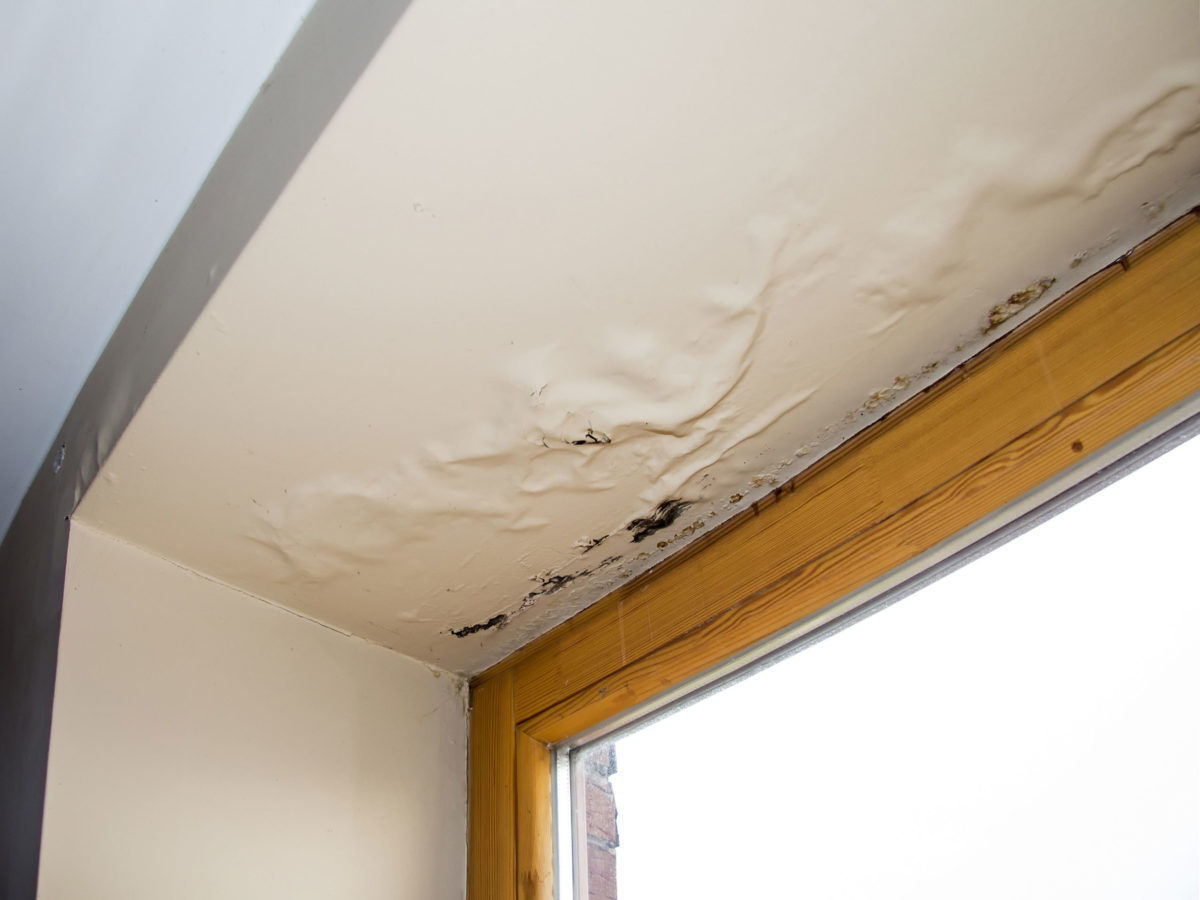
Humidity & Moisture Damage Roof Repair
Humidity & Moisture Damage Roof Repair support covers access, staging, drainage, and roof traffic for Chattanooga commercial buildings.
 Roof Work
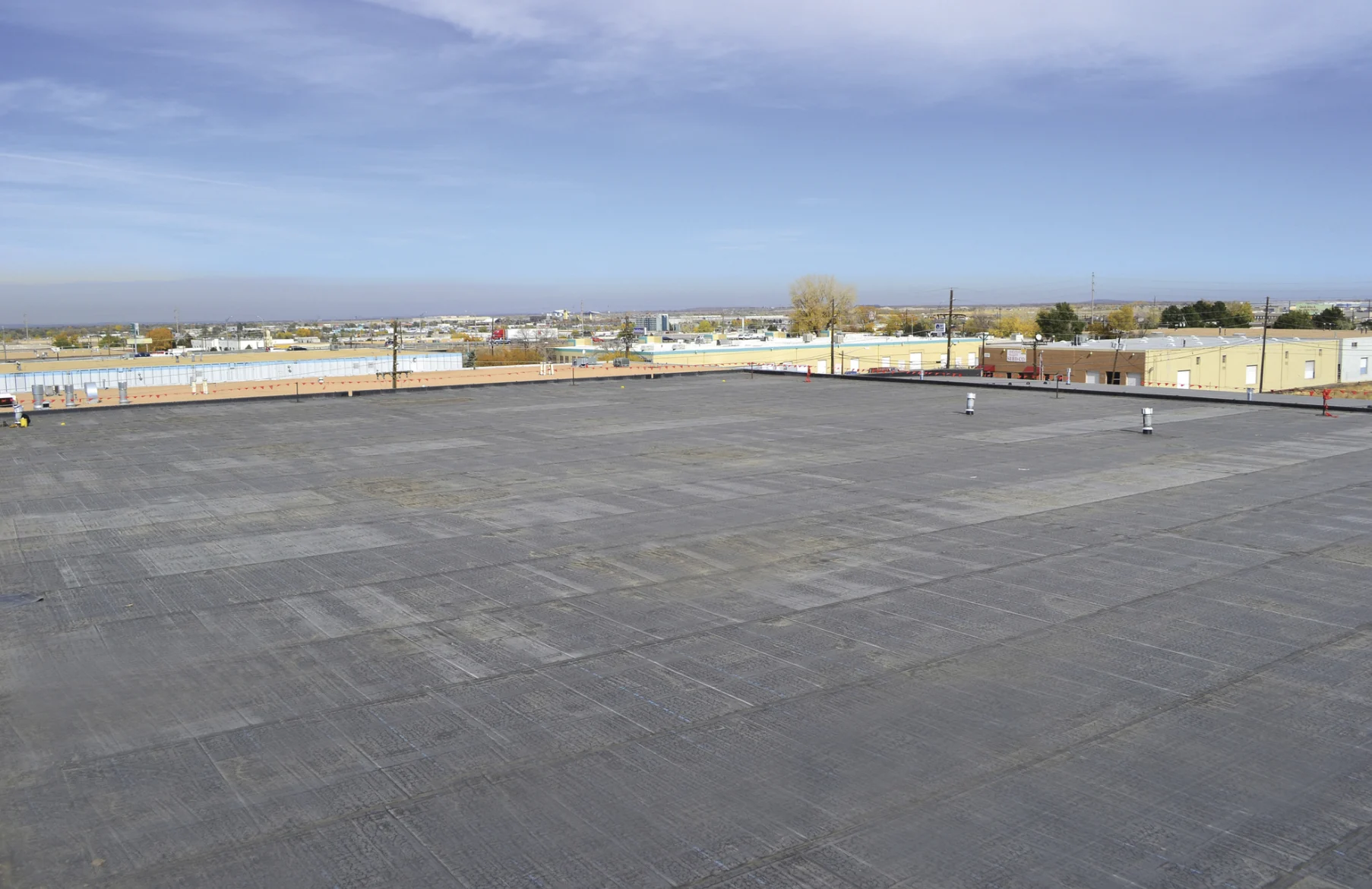
Built-Up Roofing
Built-Up Roofing support covers tenant communication, rooftop equipment, and dry-in timing for Chattanooga commercial buildings.
 Roof Work
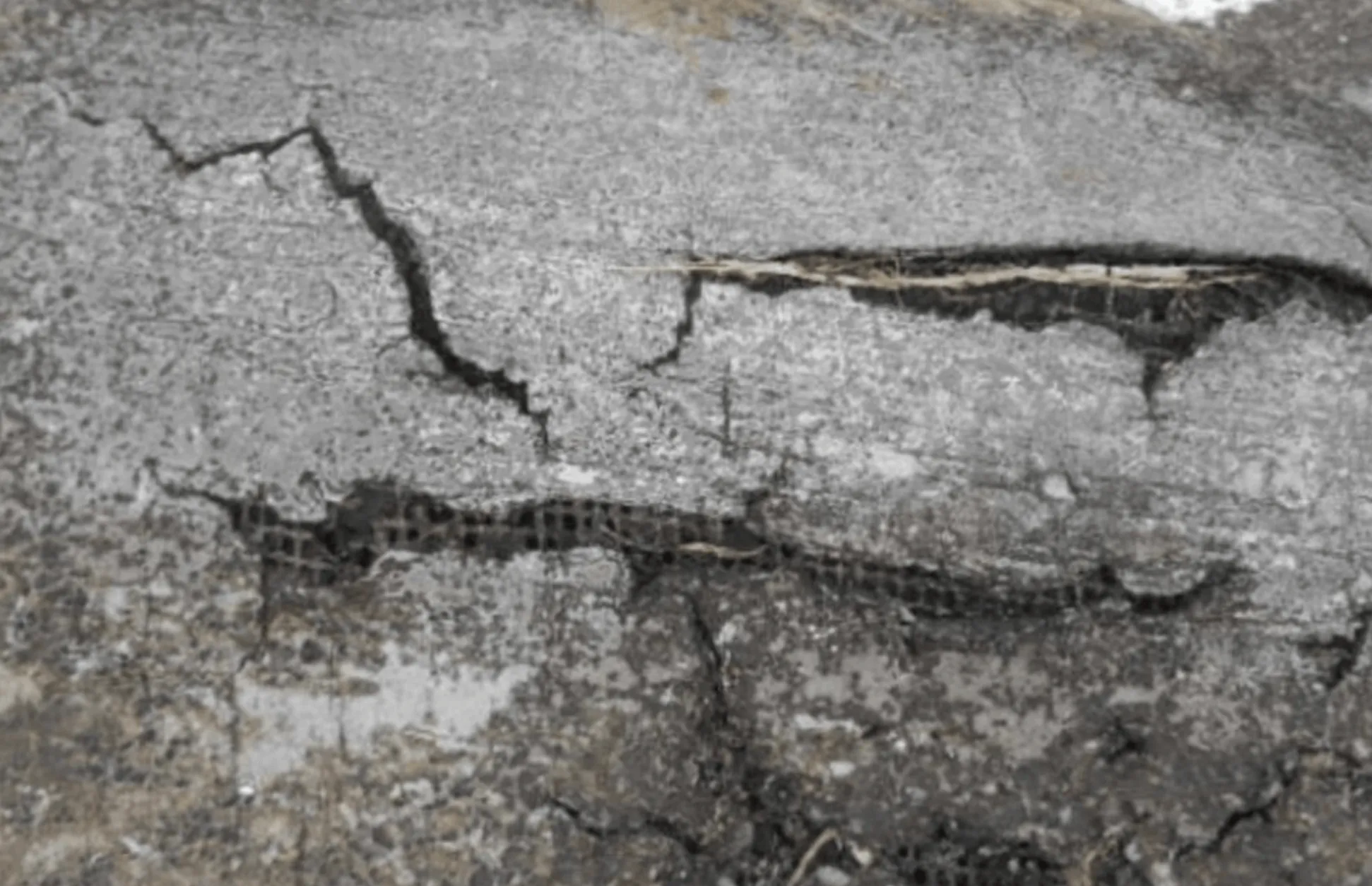
Commercial Roof Leak Repair
Commercial Roof Leak Repair support covers moisture review, edge conditions, and practical budget timing for Chattanooga commercial buildings.