
Higher Education Roofing in Chattanooga, TN
Higher Education Roofing starts with roof evidence before repair, restoration, recover, or replacement decisions are made.
Building
Protect the operation below
Commercial roofing scope for campus facilities and capital planning teams.
The technical file for Higher Education Roofing should include roof area, deck type, membrane type, insulation clues, existing layer count, drainage slope, attachment assumptions, edge conditions, manufacturer questions, and permit triggers. We keep certification and warranty language out of Higher Education Roofing unless it is verified by the building owner or manufacturer. The Higher Education Roofing owner should be able to compare repair, restoration, recover, and replacement without sorting through invented proof.
For Higher Education Roofing, I-24, I-75, US 27, Amnicola Highway, Bonny Oaks Drive, Lee Highway, Broad Street, Market Street, and the Tennessee River industrial corridor create different access, staging, and roof-loading realities. We keep code assumptions in the right lane for Higher Education Roofing by noting jurisdiction, permit triggers, insulation discussions, fire classification questions, wind securement, and whether the existing roof can legally and practically be recovered. A small missing detail in a Higher Education Roofing estimate can become a large change order if layer count, wet insulation, or edge securement is ignored.
Budget and Next-Step Documentation
Budget planning for Higher Education Roofing works when every line item has a roof reason. A Higher Education Roofing repair should name the failed detail. A Higher Education Roofing maintenance recommendation should list repeat tasks. A Higher Education Roofing coating option should show adhesion, moisture, and thickness assumptions. A Higher Education Roofing recover plan should explain why the existing roof can remain. A Higher Education Roofing replacement scope should describe tear-off, deck review, insulation, temporary dry-in, edge metal, drains, safety, and closeout documents.
For Higher Education Roofing, the Ream reference is a WordPress cmx commercial-roofing shell with a sticky full-width header, blue-gray and gold palette, large hero headline, four image-box service cards, a centered welcome band, and a compact contact footer. We use that Chattanooga context on Higher Education Roofing so the recommendation stays tied to a real building. For Higher Education Roofing, a roof above a Southside restaurant, a Hamilton Place tenant, a Centre South Riverport metal building, a Volkswagen-area manufacturing support office, and a UTC-adjacent property can share membrane materials while needing different shutdown windows, odor controls, crane plans, and tenant notices.
For Higher Education Roofing, Chattanooga adopted and enforces 2018 International Building Code, 2018 International Fire Code, and 2018 International Energy Conservation Code with state amendments for projects inside city limits. The Higher Education Roofing roof file should state what we saw, what we could not verify, what needs immediate containment, what belongs in routine maintenance, and what should move into a capital plan. That is how Higher Education Roofing decisions stay useful for building owners and operations teams after the first roof walk ends and the budget conversation moves to ownership, procurement, or facilities leadership.
Procurement on Higher Education Roofing gets easier when the scope separates assumptions from field evidence. On Higher Education Roofing, we call out roof sections, wet areas, drain locations, edge conditions, rooftop equipment, and interior impacts in plain language. If Higher Education Roofing needs a second option, the alternate has to explain the tradeoff, not just lower the number. That Higher Education Roofing approach gives Chattanooga owners a cleaner path for tenant protection, production continuity, and roof-system fit and a project scope that fits the building.
The next step for Higher Education Roofing is practical: send the building location, roof age if known, leak photos, access instructions, tenant limits, and any past reports. We will map a Higher Education Roofing roof walk for Chattanooga, collect evidence, and explain the safest path from immediate protection to a responsible commercial roofing scope that fits the roof, the weather window, and the business below.
What information should we send before a Higher Education Roofing roof walk?
Before a Higher Education Roofing roof walk, send the building location, roof age if known, roof access instructions, leak photos, tenant restrictions, and prior roof reports. Those details let us shape the inspection around the actual roof problem instead of arriving with a generic checklist.
Can Higher Education Roofing be handled while the building stays occupied?
For Higher Education Roofing, occupied-building work depends on access, odor, noise, staging room, weather exposure, and how much roof must be opened at one time. We phase the work around dry-in, tenant protection, loading paths, and the operating schedule below the roof.
How do we compare repair, coating, recover, and replacement for Higher Education Roofing?
For Higher Education Roofing, we compare moisture evidence, layer count, deck condition, drainage, age, storm exposure, roof traffic, and future use before naming a scope. That evidence is what separates a repair file from a restoration plan, a recover option, or a replacement budget.
Do you promise manufacturer certification or insurance approval for Higher Education Roofing?
For Higher Education Roofing, we do not invent credentials, promise claim outcomes, or write warranty language before the facts support it. We document conditions, identify manufacturer or carrier questions, and keep recommendations tied to reviewable roof evidence.
What makes Chattanooga planning different for Higher Education Roofing?
Chattanooga planning for Higher Education Roofing has to account for downtown access, UTC and hospital-area traffic, Enterprise South and Centre South Riverport industrial corridors, humid Tennessee Valley heat, severe thunderstorms, hail, freeze-thaw movement, leaf debris, and wind-driven rain.
- Fast Food Qsr Roofing
- Cold Storage Roofing
- K12 School Roofing
- Convenience Store Roofing
- Pharmaceutical Lab Roofing
- Healthcare Facility Roofing
- KEE Single Ply Roofing
- Hail Damage Restoration
Planning checkpoints
The building use matters
Condition
Higher Education Roofing work starts with the affected roof area, water path, membrane condition, and interior evidence.
Operations
Work windows, tenant protection, loading paths, and safety expectations need to be named early.
Options
Repair, maintenance, coating, recover, and replacement should be compared without blurring the tradeoffs.
Next Step
A concise field record helps ownership decide what needs immediate action and what belongs in planning.
Related roof paths
Keep exploring
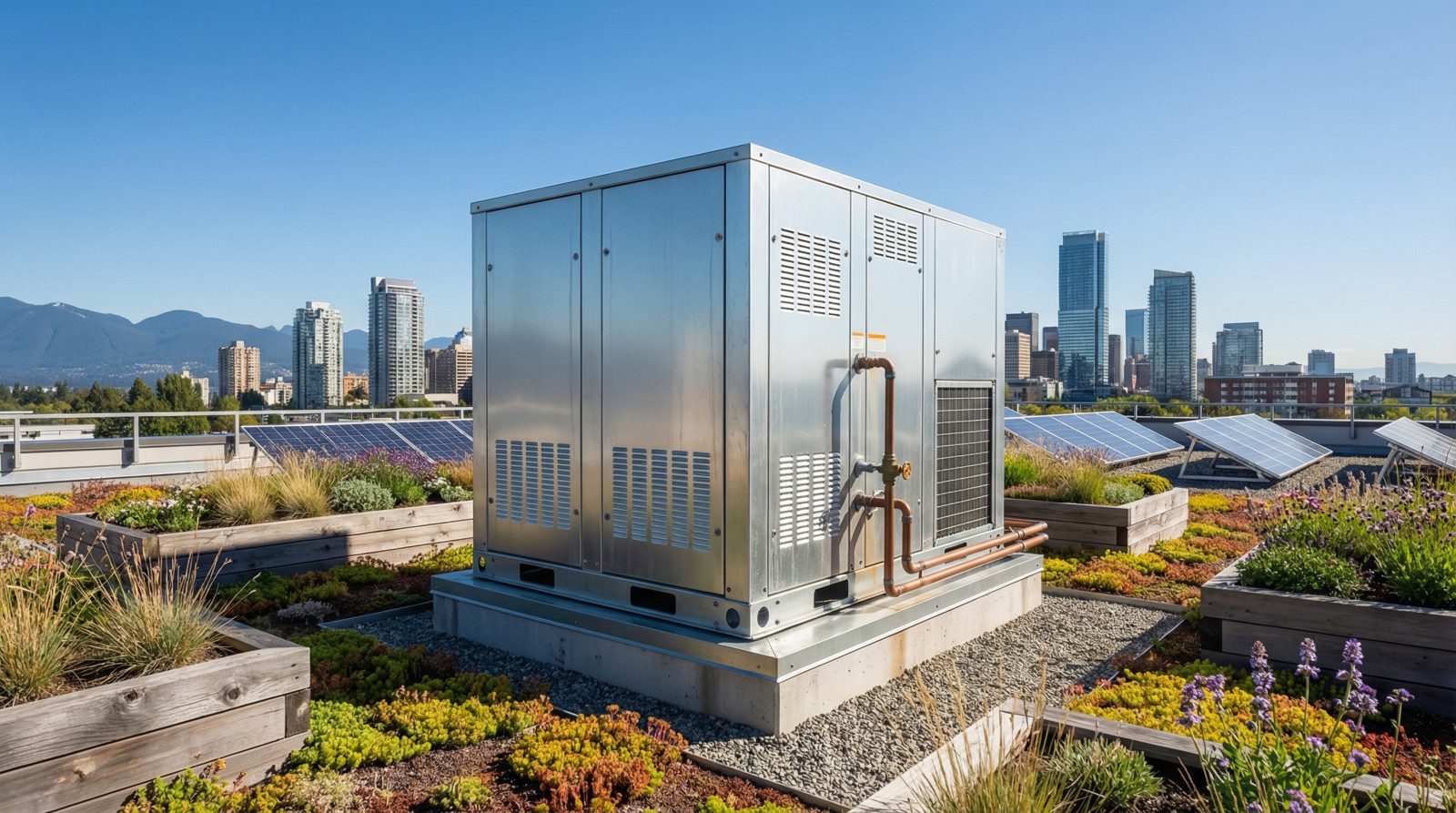 Building
Quick-Service Restaurant & Fast-Food Roofing
Quick-Service Restaurant & Fast-Food Roofing needs a roof scope that fits the building's schedule, access, equipment, and occupants.
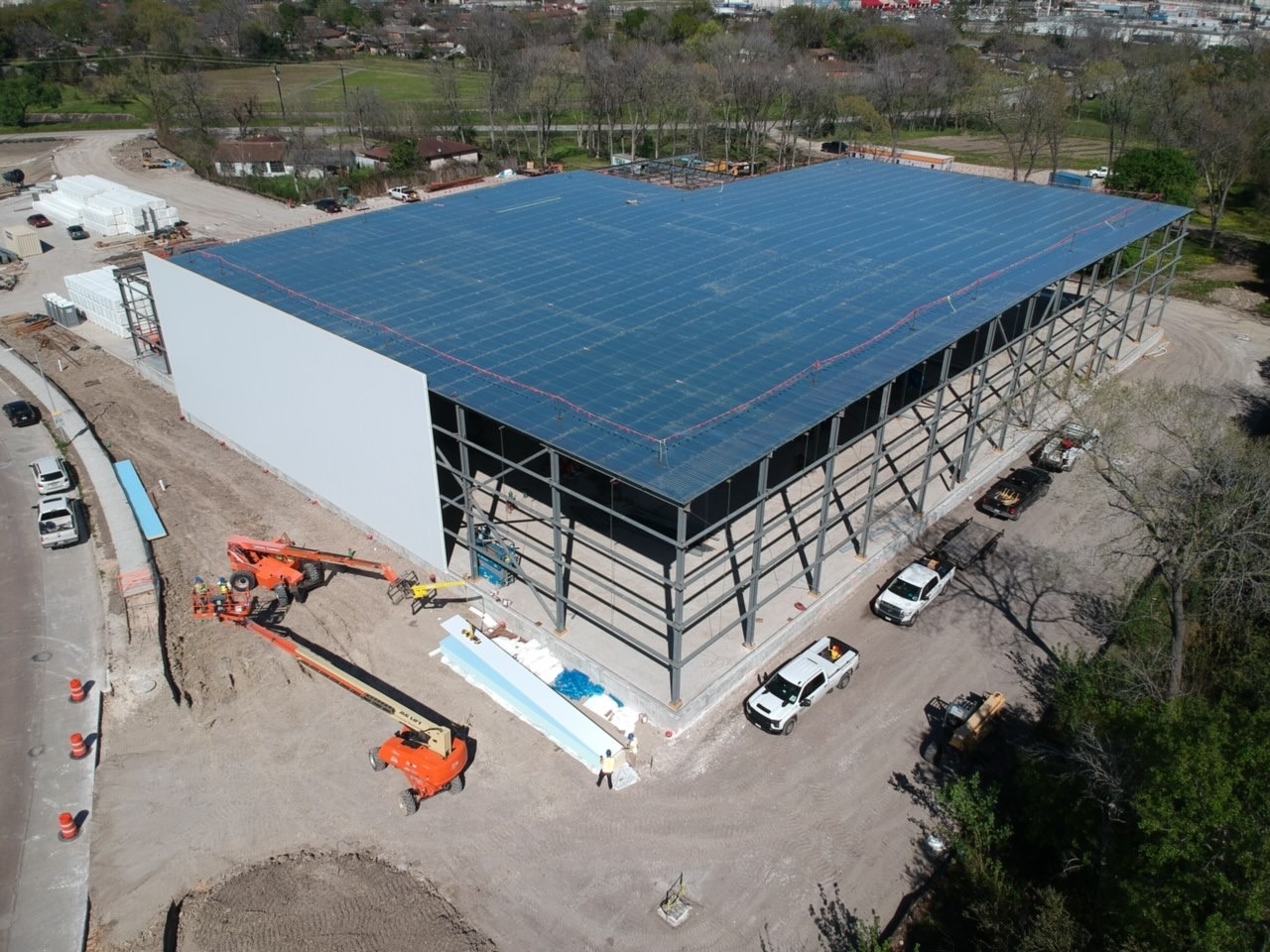 Building
Cold Storage Roofing
Cold Storage Roofing needs a roof scope that fits the building's schedule, access, equipment, and occupants.
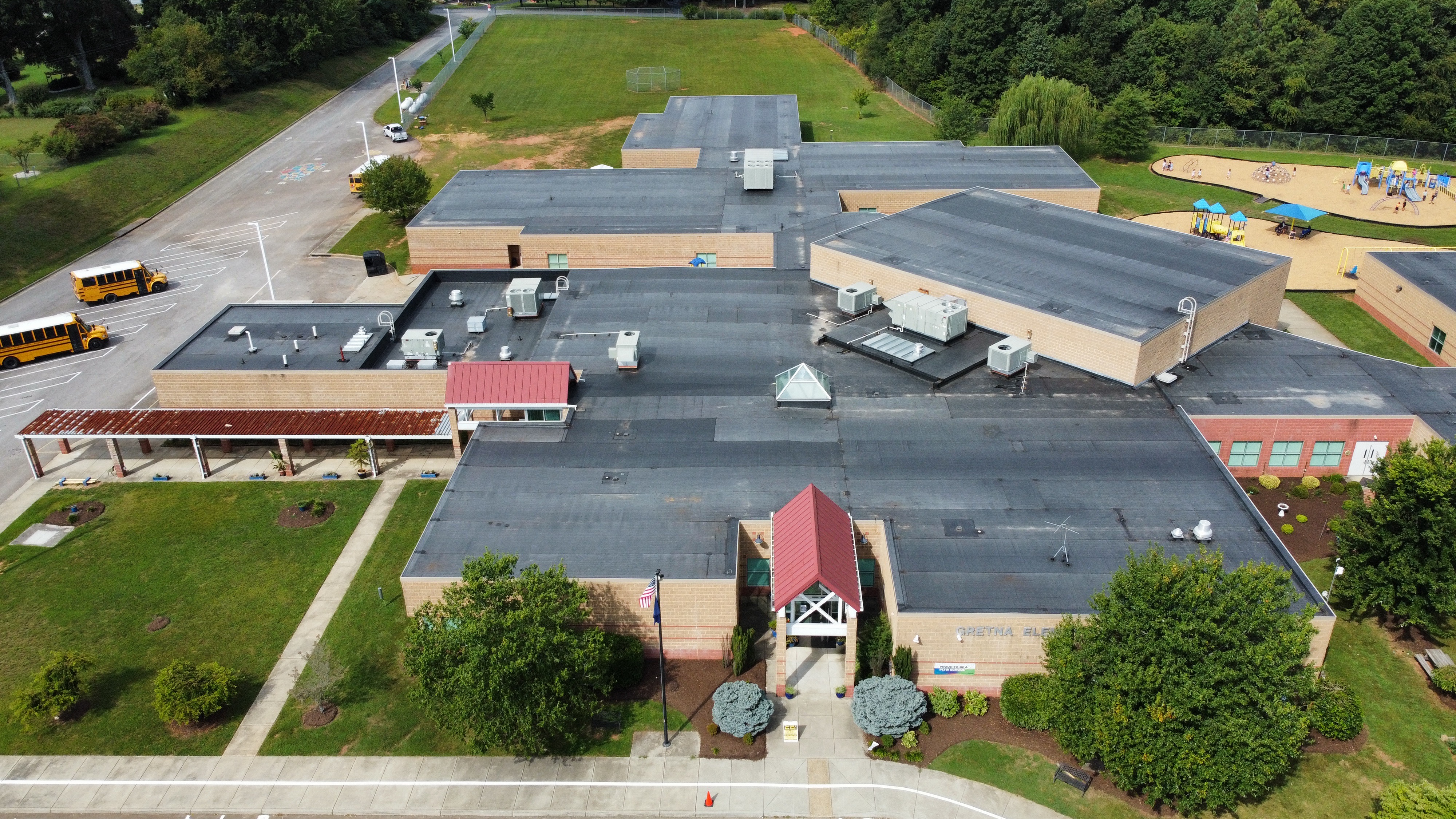 Building
K-12 School Roofing
K-12 School Roofing needs a roof scope that fits the building's schedule, access, equipment, and occupants.