
Insurance Restoration in Chattanooga, TN
Insurance Restoration starts with roof evidence before repair, restoration, recover, or replacement decisions are made.
Industry
Support the decision path
Commercial roofing scope for restoration teams needing contractor-side roof documentation.
No two Insurance Restoration roofs give the same answer once we check moisture, traffic, slope, and the business below. We start Insurance Restoration by asking for roof age, leak locations, prior reports, access rules, tenant limits, and the event that made the roof question urgent. Insurance Restoration is tied to restoration teams needing contractor-side roof documentation, so the scope has to be written for the buyer's operating risk rather than for a generic product list. Our first job on Insurance Restoration is to separate emergency protection from capital planning so a wet ceiling tile does not turn into a rushed replacement and an aging roof does not get patched without checking deck, insulation, drainage, and edge conditions.
For Insurance Restoration, Hamilton County reports more than 632,408 square feet of building construction and over 187 million dollars in private investment at Centre South Riverport. That Chattanooga detail changes how we handle Insurance Restoration: a downtown roof with street staging, a campus building with occupied classrooms, a warehouse with loading traffic, and a medical office with patient hours all need different communication, safety, and dry-in discipline.
The roof walk for Insurance Restoration documents membrane type, seams, laps, edges, curbs, drains, scuppers, wall transitions, previous repair chemistry, roof traffic, rooftop equipment, and interior leak evidence. If we see trapped moisture, loose edge metal, backed-out fasteners, split pitch pockets, blocked overflow, or ponding water on Insurance Restoration, those conditions go into the file before anyone talks about repair, coating, recover, or replacement.
For Insurance Restoration, Mountain View Industrial Park sits off I-75 in Ooltewah with 205,000 square feet of building construction, while Ooltewah Industrial Park was Hamilton County's first industrial park. A Insurance Restoration scope around a Riverfront mixed-use roof, a Bonny Oaks flex building, a Soddy Daisy industrial roof, and a Signal Mountain community facility cannot be written from the same access assumptions. The Insurance Restoration file has to explain where material lands, how crews reach the roof, how open work is dried in each day, and what happens if a Tennessee Valley storm window moves in before a section is complete.
Weather exposure is part of Insurance Restoration, not a separate sales category. Chattanooga Insurance Restoration roofs work through humid heat, heavy rain, leaf and debris load, freeze-thaw cycles, hail, severe thunderstorms, and wind-driven rain along exposed edges. After weather, our Insurance Restoration review checks perimeter metal, coping joints, membrane bruising, rooftop-unit fins, open seams, displaced panels, drainage paths, and interior evidence so an owner can separate cosmetic marks from urgent defects.
For Insurance Restoration, Soddy Daisy Industrial Park covers 65 acres, was developed by Hamilton County with the City of Soddy Daisy, and includes employers such as QVC and AYS America. That local fact matters for Insurance Restoration because commercial roof work around Chattanooga is tied to advanced manufacturing, healthcare, hospitality, retail, public buildings, education campuses, research facilities, logistics space, and airport or industrial corridors. A Insurance Restoration recommendation that ignores loading docks, guest entries, production shifts, public access, or storm-readiness timing can cost more in disruption than it saves in material.
The technical file for Insurance Restoration should include roof area, deck type, membrane type, insulation clues, existing layer count, drainage slope, attachment assumptions, edge conditions, manufacturer questions, and permit triggers. We keep certification and warranty language out of Insurance Restoration unless it is verified by the building owner or manufacturer. The Insurance Restoration owner should be able to compare repair, restoration, recover, and replacement without sorting through invented proof.
For Insurance Restoration, Hamilton County calls Enterprise South rail improvements crucial for projected growth and freight movements by manufacturers in the complex, including Volkswagen and Archer Daniels Midland. We keep code assumptions in the right lane for Insurance Restoration by noting jurisdiction, permit triggers, insulation discussions, fire classification questions, wind securement, and whether the existing roof can legally and practically be recovered. A small missing detail in a Insurance Restoration estimate can become a large change order if layer count, wet insulation, or edge securement is ignored.
Budget and Next-Step Documentation
Budget planning for Insurance Restoration works when every line item has a roof reason. A Insurance Restoration repair should name the failed detail. A Insurance Restoration maintenance recommendation should list repeat tasks. A Insurance Restoration coating option should show adhesion, moisture, and thickness assumptions. A Insurance Restoration recover plan should explain why the existing roof can remain. A Insurance Restoration replacement scope should describe tear-off, deck review, insulation, temporary dry-in, edge metal, drains, safety, and closeout documents.
For Insurance Restoration, Visit Chattanooga groups the downtown neighborhoods as Northshore, Southside, Riverfront, Bluff View Art District, City Center, MLK and UTC, and West Village. We use that Chattanooga context on Insurance Restoration so the recommendation stays tied to a real building. For Insurance Restoration, a roof above a Southside restaurant, a Hamilton Place tenant, a Centre South Riverport metal building, a Volkswagen-area manufacturing support office, and a UTC-adjacent property can share membrane materials while needing different shutdown windows, odor controls, crane plans, and tenant notices.
For Insurance Restoration, Visit Chattanooga describes Southside as running between 12th and 20th streets around the Chattanooga Choo Choo and North Shore as connected to downtown by four bridges including Walnut Street Bridge. The Insurance Restoration roof file should state what we saw, what we could not verify, what needs immediate containment, what belongs in routine maintenance, and what should move into a capital plan. That is how Insurance Restoration decisions stay useful for procurement and facility teams after the first roof walk ends and the budget conversation moves to ownership, procurement, or facilities leadership.
Procurement on Insurance Restoration gets easier when the scope separates assumptions from field evidence. On Insurance Restoration, we call out roof sections, wet areas, drain locations, edge conditions, rooftop equipment, and interior impacts in plain language. If Insurance Restoration needs a second option, the alternate has to explain the tradeoff, not just lower the number. That Insurance Restoration approach gives Chattanooga owners a cleaner path for vendor documentation, budget timing, and operating risk and a roofing file that supports approval.
The next step for Insurance Restoration is practical: send the building location, roof age if known, leak photos, access instructions, tenant limits, and any past reports. We will map a Insurance Restoration roof walk for Chattanooga, collect evidence, and explain the safest path from immediate protection to a responsible commercial roofing scope that fits the roof, the weather window, and the business below.
What information should we send before a Insurance Restoration roof walk?
Before a Insurance Restoration roof walk, send the building location, roof age if known, roof access instructions, leak photos, tenant restrictions, and prior roof reports. Those details let us shape the inspection around the actual roof problem instead of arriving with a generic checklist.
Can Insurance Restoration be handled while the building stays occupied?
For Insurance Restoration, occupied-building work depends on access, odor, noise, staging room, weather exposure, and how much roof must be opened at one time. We phase the work around dry-in, tenant protection, loading paths, and the operating schedule below the roof.
How do we compare repair, coating, recover, and replacement for Insurance Restoration?
For Insurance Restoration, we compare moisture evidence, layer count, deck condition, drainage, age, storm exposure, roof traffic, and future use before naming a scope. That evidence is what separates a repair file from a restoration plan, a recover option, or a replacement budget.
Do you promise manufacturer certification or insurance approval for Insurance Restoration?
For Insurance Restoration, we do not invent credentials, promise claim outcomes, or write warranty language before the facts support it. We document conditions, identify manufacturer or carrier questions, and keep recommendations tied to reviewable roof evidence.
What makes Chattanooga planning different for Insurance Restoration?
Chattanooga planning for Insurance Restoration has to account for downtown access, UTC and hospital-area traffic, Enterprise South and Centre South Riverport industrial corridors, humid Tennessee Valley heat, severe thunderstorms, hail, freeze-thaw movement, leaf debris, and wind-driven rain.
- Commercial Real Estate Reits
- Manufacturing Operators
- Hospitality Groups
- Religious Nonprofit Organizations
- REIT Roofing
- Solar Roof Integration
- Commercial Roof Repair
- School Roofing
Planning checkpoints
Documentation keeps approvals moving
Condition
Insurance Restoration work starts with the affected roof area, water path, membrane condition, and interior evidence.
Operations
Work windows, tenant protection, loading paths, and safety expectations need to be named early.
Options
Repair, maintenance, coating, recover, and replacement should be compared without blurring the tradeoffs.
Next Step
A concise field record helps ownership decide what needs immediate action and what belongs in planning.
Related roof paths
Keep exploring
 Industry
Commercial Real Estate and REITs
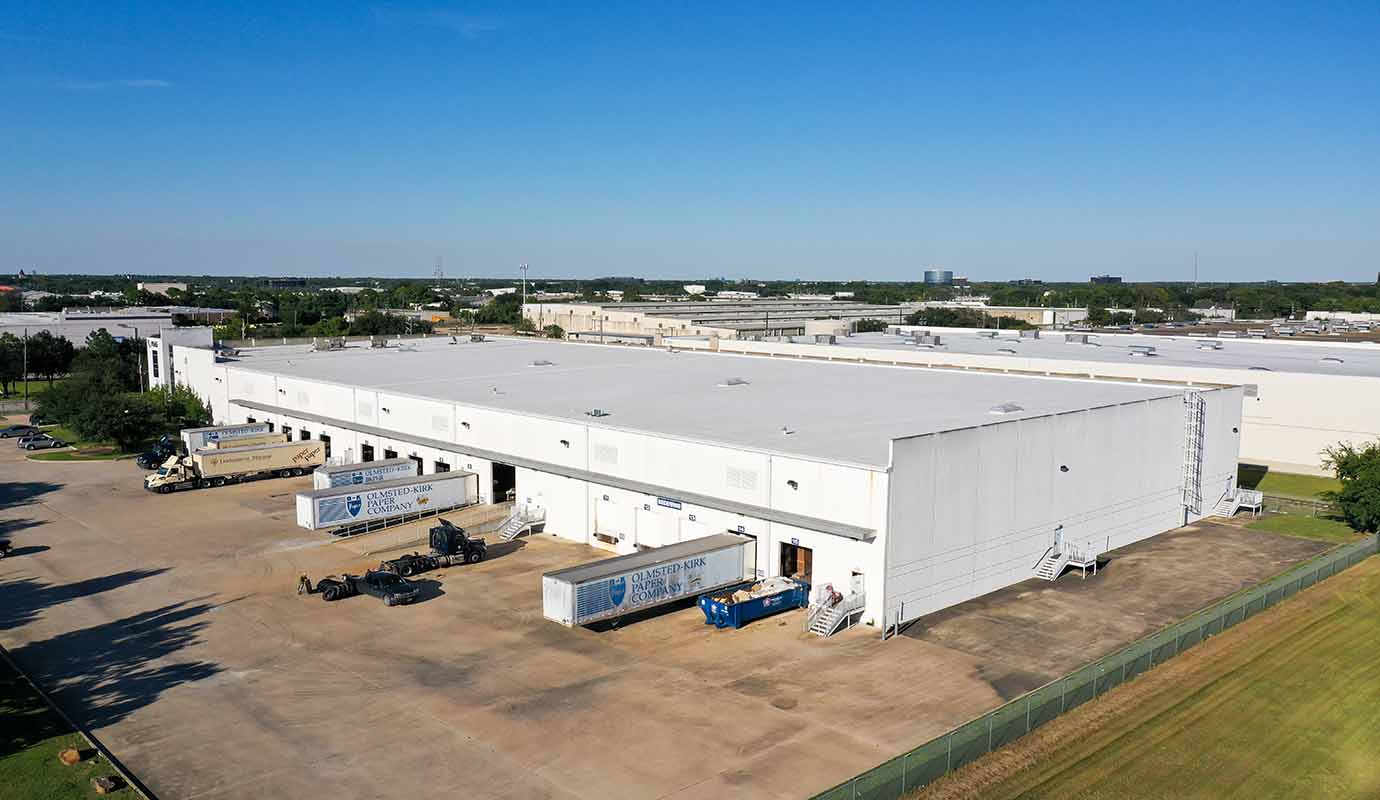
Commercial Real Estate and REITs roof planning keeps approval needs, downtime, and roof documentation in one clear record.
 Industry
Manufacturing Operators
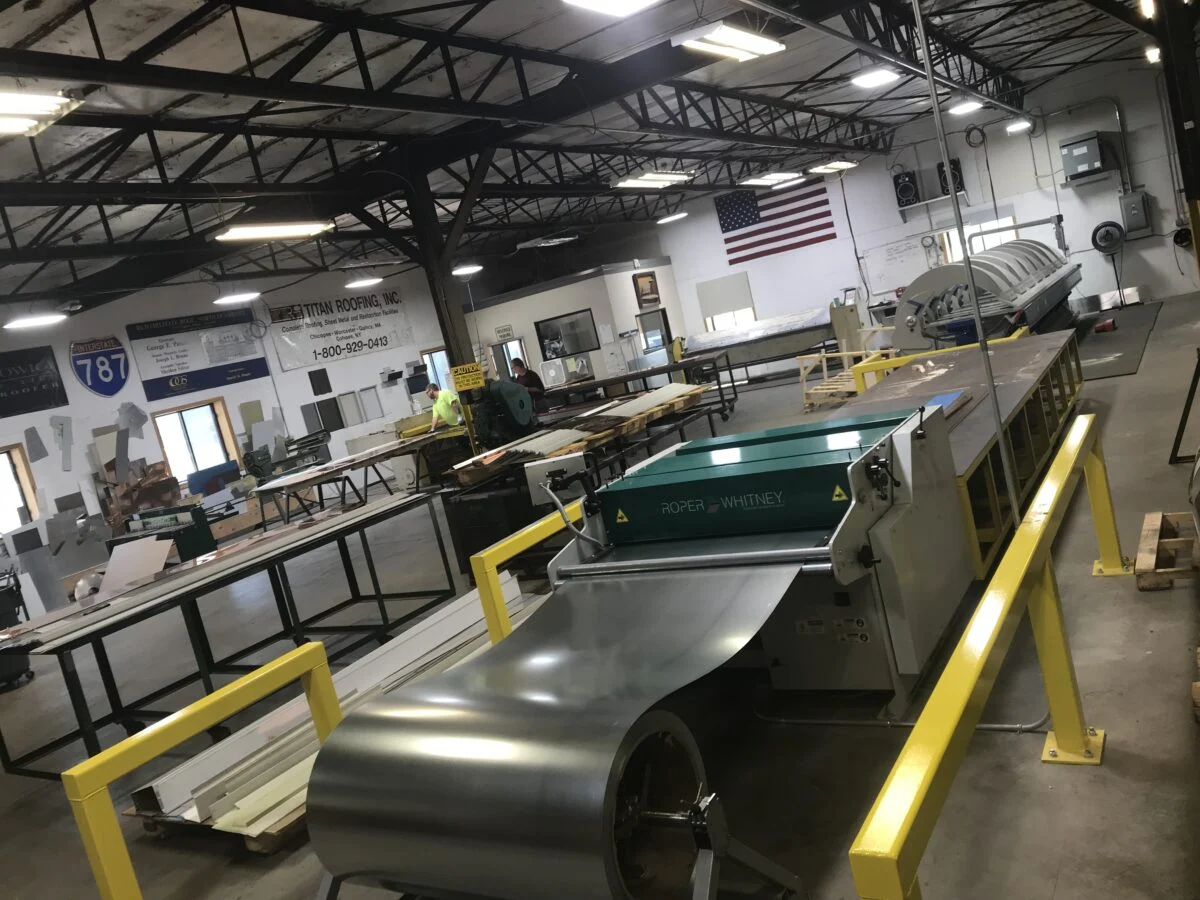
Manufacturing Operators roof planning keeps approval needs, downtime, and roof documentation in one clear record.
 Industry
Hospitality Groups
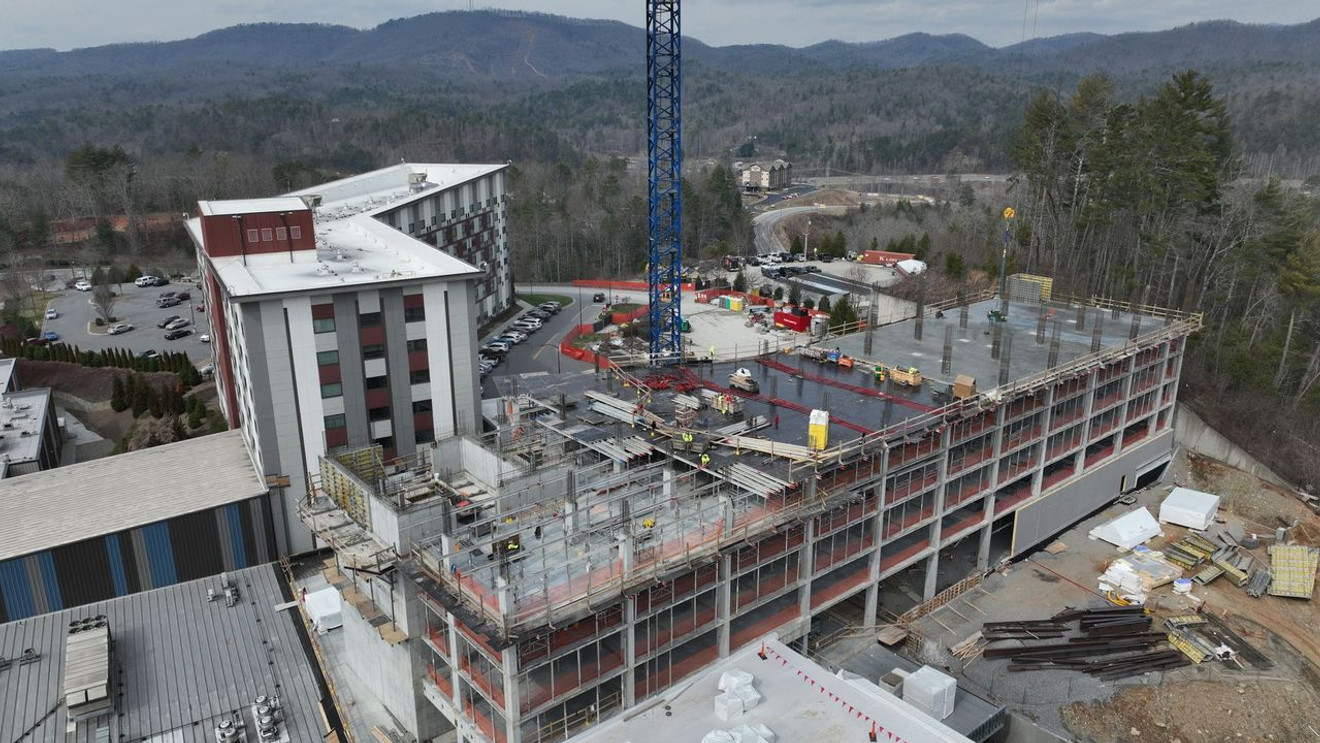
Hospitality Groups roof planning keeps approval needs, downtime, and roof documentation in one clear record.